2026 Guide To Traditional Chinese Cloud Shoes & Boots
The Renaissance of Traditional Chinese Footwear in 2026
As the Xin Zhongshi (new Chinese style) movement continues to dominate global fashion weeks and street style in 2026, the spotlight has shifted from apparel to the foundation of the outfit: traditional footwear. Once relegated to museum displays or theatrical costumes, traditional Chinese cloud shoes (Yunxie) and heritage boots (Xue) are experiencing a massive cultural renaissance. Today's fashion-forward consumers in Beijing, Shanghai, and beyond are pairing meticulously crafted silk footwear with modern tailored suits, wide-leg linen trousers, and contemporary Hanfu. This guide explores the rich history, intricate anatomy, and modern styling of traditional Chinese footwear, providing you with everything you need to know about incorporating these masterpieces into your 2026 wardrobe.
The Anatomy of the Cloud Shoe (Yunxie)
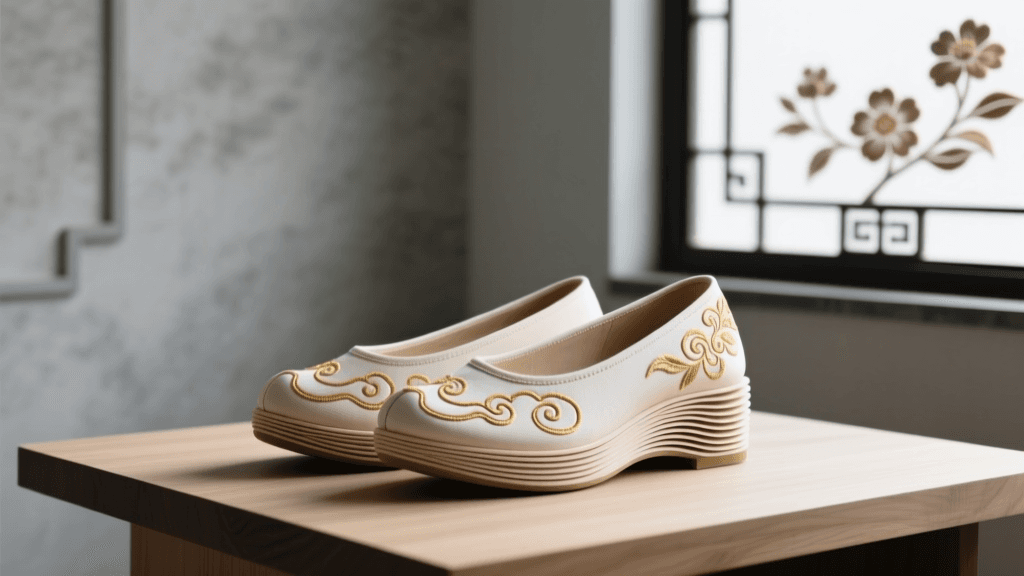
The Cloud Shoe, or Yunxie, is perhaps the most iconic silhouette in traditional Chinese footwear. Named for the auspicious cloud motifs often embroidered on the toe cap and the upward-curving silhouette that mimics a drifting cloud, these shoes were historically worn by women of the Han ethnic group during the Ming and Qing dynasties. In 2026, they are celebrated as gender-neutral works of art, prized for their vibrant colors and unparalleled craftsmanship.
The Uppers: Silk, Satin, and Symbolic Embroidery
The upper part of a traditional cloud shoe is typically constructed from high-grade silk satin or woven brocade. Artisans utilize traditional Suzhou or Shu embroidery techniques to stitch intricate motifs onto the fabric before the shoe is assembled. Common motifs include peonies (symbolizing wealth and honor), bats (representing good fortune), and lotus flowers (denoting purity). In the modern 2026 market, we are also seeing a rise in minimalist Xin Zhongshi designs that feature tone-on-tone embroidery, allowing the texture of the silk to take center stage without overwhelming the wearer's outfit.
The Foundation: The Thousand-Layer Sole (Qiancengdi)
The true marvel of the Yunxie lies beneath the foot. The 'Thousand-Layer Sole' (Qiancengdi) is a masterpiece of functional engineering and patience. Despite the name, the sole is typically made of 30 to 40 layers of premium white cotton cloth. Artisans coat each layer with a natural adhesive made from boiled wheat flour paste, stack them, and press them tightly together. Once dried in the sun, the dense block is stitched together using thick, waxed hemp thread. A single sole requires thousands of meticulous hand-stitches, often pulled tight using a leather thong to ensure maximum density. This process creates a sole that is remarkably shock-absorbent, breathable, and durable, providing a level of comfort that modern synthetic rubber struggles to replicate. Historical examples of these intricate soles and early Qing dynasty footwear can be studied in the Metropolitan Museum of Art's historical footwear archives, which showcase the evolution of these techniques over centuries.
Traditional Boots (Xue) and Equestrian Heritage
While cloud shoes represent the delicate artistry of Han culture, traditional boots (Xue) reflect the rugged, equestrian influences of China's northern nomadic tribes and the subsequent Manchu-led Qing dynasty. Originally designed to protect the feet and lower legs while riding horses, Xue evolved into a symbol of status, scholarship, and officialdom.
The Scholar's Boot
The most recognizable iteration of the Xue is the black satin boot worn by scholars and officials. These boots feature a thick, white, multi-layered cotton sole (similar to the Qiancengdi but much thicker and heavier) and an upper made of black silk or cotton satin. The silhouette is characterized by a slightly squared, upward-tilted toe and a high shaft that reaches the mid-calf. In 2026, heritage brands have adapted the Scholar's Boot for everyday wear by reducing the shaft height to an ankle-boot level and incorporating hidden memory foam inserts beneath the traditional cotton layers, bridging the gap between ancient aesthetics and modern orthopedic needs.
Winter and Summer Variations
Historically, footwear was strictly regulated by the seasons. Winter boots were lined with thick sheepskin, rabbit fur, or quilted cotton to withstand the harsh northern Chinese climate. Summer boots, conversely, were crafted from lightweight, breathable silk gauze or woven rattan fibers. Today's Xin Zhongshi designers are reviving the summer gauze boot, pairing it with sheer, modern textiles for a striking, avant-garde look on the runways of Shanghai Fashion Week.
2026 Market Guide: Artisans vs. Modern Brands
Navigating the market for traditional Chinese footwear in 2026 requires an understanding of the different tiers of production. Whether you are looking for a museum-quality heirloom or a durable pair for daily streetwear, there is an option available. Below is a comparison of the current market landscape.
| Brand / Artisan Type | Price Range (2026 USD) | Lead Time | Best For |
|---|---|---|---|
| Bespoke Heritage Artisans (e.g., Bu Xian Sheng) | $450 - $1,200+ | 4 - 8 Weeks | Collectors, brides, and purists seeking authentic Qiancengdi soles and hand-embroidered silk. |
| Contemporary Xin Zhongshi Brands (e.g., Sheme, Huili Heritage) | $120 - $350 | In Stock / 1 Week | Daily wear, fashion enthusiasts, and those wanting modern ergonomic insoles with traditional uppers. |
| Mass-Market Fast Fashion (Taobao / TikTok Shop) | $30 - $80 | In Stock / 3 Days | Cosplay, short-term events, and budget-conscious styling (note: soles are usually molded rubber, not cotton). |
For those seeking authentic, intangible cultural heritage craftsmanship, investing in bespoke artisans is highly recommended. These makers preserve the dying art of wheat-paste layering and hemp stitching, ensuring the footwear remains historically accurate.
How to Style Traditional Footwear in 2026
Integrating Yunxie and Xue into a modern wardrobe is easier than ever, thanks to the fluidity of the Xin Zhongshi aesthetic. Here are three styling formulas dominating 2026 street style:
- The Modern Scholar: Pair black satin ankle-height Xue with wide-leg, pleated charcoal trousers and a structured, mandarin-collar linen blazer. This look channels the intellectual elegance of the Qing literati while remaining perfectly suited for a modern creative office environment.
- The Streetwear Fusion: Contrast the delicacy of embroidered floral cloud shoes with utilitarian streetwear. Try pairing vibrant red or teal Yunxie with oversized olive-green cargo pants and a cropped tech-wear jacket. The juxtaposition of ancient silk embroidery and modern nylon creates a striking visual tension.
- The Traditionalist Revival: For formal events or cultural festivals, pair a woven silk Mamianqun (horse-face skirt) with tonal cloud shoes. Ensure the hem of the skirt grazes the top of the shoe, allowing the embroidered toe cap to peek through with every step.
Care, Maintenance, and Storage
Traditional Chinese footwear, particularly those featuring silk uppers and cotton thousand-layer soles, requires specialized care to maintain its structural integrity and visual brilliance. Unlike modern leather or synthetic shoes, these materials are highly susceptible to environmental damage.
Moisture and Sole Protection
The Qiancengdi cotton sole is incredibly comfortable but highly vulnerable to prolonged moisture. Avoid wearing authentic thousand-layer sole shoes in heavy rain or on wet pavement. If the soles do become damp, allow them to air dry naturally at room temperature, away from direct heat sources like radiators, which can cause the wheat paste to become brittle and crack. To maintain the shape and absorb residual moisture, insert cedar shoe trees or unbleached cotton stuffed with silica gel packets after every wear.
Silk Care and Pest Prevention
Silk is a protein fiber that attracts moth larvae and degrades under prolonged UV exposure. When cleaning the uppers, never use harsh chemical detergents or submerge the shoes in water. Instead, use a soft, dry brush (such as a horsehair shoe brush) to gently sweep away dust and dirt. For stubborn stains, consult a professional textile conservator. When storing your footwear for the season, wrap them in acid-free tissue paper and place them in a breathable cotton dust bag. Store them in a cool, dark closet alongside natural camphor wood blocks or dried lavender sachets to deter pests without introducing the harsh chemicals found in modern mothballs, which can discolor delicate silk dyes. For further reading on the preservation of historical Asian textiles and footwear, the Victoria and Albert Museum's extensive Qing dynasty textile collections offer incredible insights into how these garments have been conserved over the centuries.
Conclusion
The resurgence of traditional Chinese cloud shoes and boots in 2026 is more than a fleeting fashion trend; it is a profound reconnection with centuries of artisanal heritage. Whether you are drawn to the equestrian elegance of the Xue or the meticulous, stitch-by-stitch artistry of the Yunxie's thousand-layer sole, incorporating these pieces into your wardrobe is a celebration of Asian traditions. By understanding their history, supporting authentic artisans, and caring for them properly, you ensure that these cultural masterpieces continue to walk confidently into the future.