Kimono Life Stages Guide 2026: Milestones From Birth to Kanreki
The Wearable Timeline: Kimono Through the Stages of Life
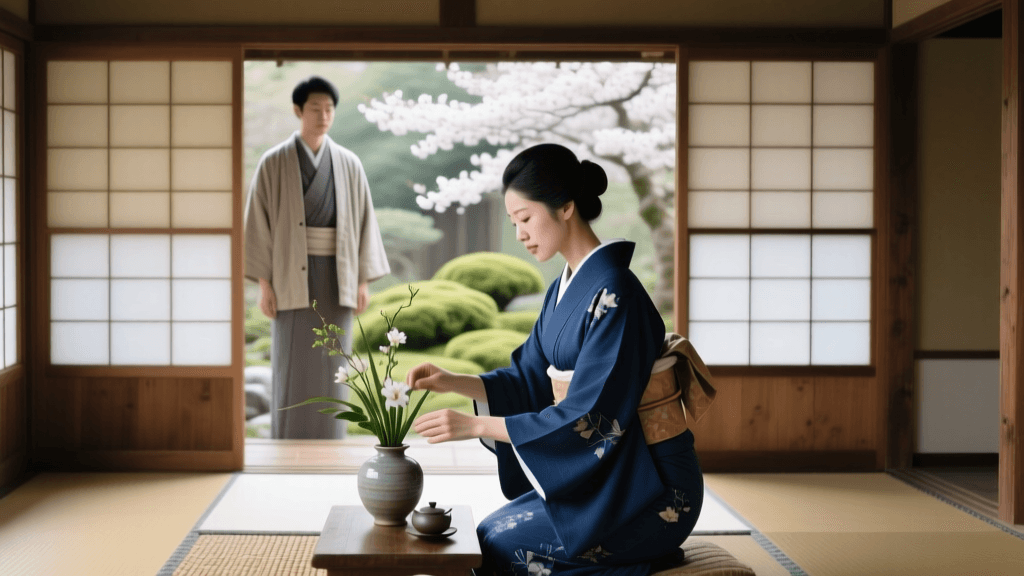
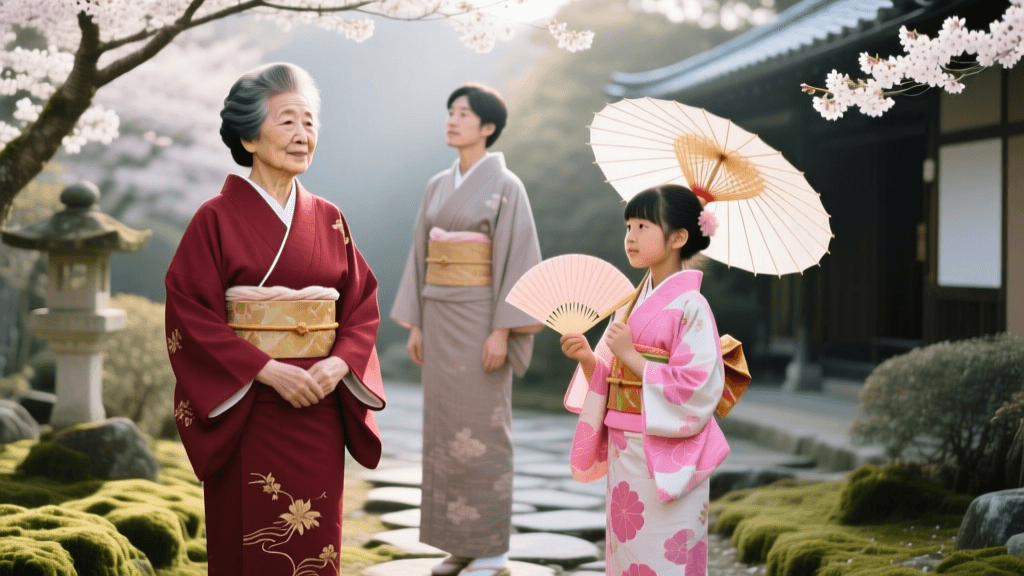
In Japanese culture, the kimono is far more than a beautiful garment; it is a wearable timeline that maps the journey of human life. From the first shrine visits of infancy to the vibrant celebrations of old age, the cut, color, motif, and sleeve length of a kimono communicate a person's exact life stage, marital status, and the specific milestone they are celebrating. As we navigate through 2026, the traditions surrounding these garments continue to evolve, blending centuries-old sartorial rules with modern sustainable textiles, updated legal adulthood ages, and contemporary rental markets.
Whether you are a cultural enthusiast, a traveler planning to participate in local festivals, or a historian of Asian traditions, understanding the kimono's role in life milestones offers a profound window into Japanese societal values. According to Japan Guide's comprehensive overview of traditional clothing, the strict codification of kimono types ensures that the garment remains a living language of respect, transition, and celebration.
Infancy and Childhood: Shichi-Go-San (Ages 3, 5, and 7)
The first major sartorial milestone in a Japanese child's life is Shichi-Go-San (Seven-Five-Three), a traditional rite of passage held annually in November. This festival celebrates the survival and growth of children at the ages of three, five, and seven—historically the most vulnerable years of childhood before modern medicine.
For three-year-old girls and boys, the traditional garment is often a bright, patterned kimono worn with a hifu, a padded silk vest that eliminates the need for a tightly tied obi, ensuring the toddler's comfort. By age five, boys transition to their first hakama (pleated trousers) worn over a kimono, often featuring auspicious motifs like hawks or samurai helmets. Seven-year-old girls wear a full, adult-style kimono with a real, tied obi, marking their first step into the structured world of women's formal wear.
In 2026, parents increasingly opt for high-quality, washable synthetic-silk blends for these young children. These modern textiles mimic the lustrous drape of traditional Nishijin-ori silk but can withstand the inevitable spills and stains of a restless toddler. A complete Shichi-Go-San rental package in major cities like Tokyo and Kyoto currently averages between ¥10,000 and ¥18,000, which includes professional dressing, hair styling, and a commemorative photo session.
The Transition to Adulthood: Seijin no Hi (Coming of Age)
Seijin no Hi, or Coming of Age Day, is perhaps the most visually spectacular kimono event on the Japanese calendar. Held on the second Monday of January, it celebrates those who have reached the age of maturity. While Japan officially lowered the legal age of adulthood to 18 in 2022, the cultural and sartorial traditions of Seijin no Hi in 2026 remain heavily anchored to the age of 20, as this aligns with the legal age for drinking, smoking, and gambling, and preserves the traditional university-age reunion aspect of the holiday.
Young women celebrate by wearing the furisode, a kimono characterized by its dramatically long, swinging sleeves. The length of the sleeve denotes formality: the o-furisode (over 114cm) is the most formal, while the chu-furisode (around 100cm) is standard for Coming of Age. The vibrant, unbroken patterns that flow across the seams symbolize youth, vitality, and the unmarried status of the wearer. In 2026, eco-friendly dyes and sustainably sourced silk are highly sought after, with many boutiques offering 'vintage-upcycled' furisode that appeal to environmentally conscious Gen Z celebrants.
Young men traditionally wear a montsuki hakama—a formal black kimono adorned with five family crests (mon), paired with a striped hakama and a haori (jacket). While some men in 2026 opt for Western suits, the traditional hakama remains a powerful symbol of masculine responsibility and heritage. Rental costs for a premium women's furisode package in 2026 range from ¥25,000 to ¥50,000, while men's hakama packages average ¥15,000.
Matrimony: Shiromuku and Iro-Uchikake
Weddings represent a profound transition, and the bridal kimono reflects the gravity of this life change. The ultimate symbol of traditional Japanese matrimony is the shiromuku, an entirely white ensemble including the kimono, obi, and accessories. White symbolizes purity and the bride's willingness to be 'dyed' in the colors of her new family. The ensemble is topped with a tsunokakushi (a white hood) or a wataboshi (a white silk hat), which historically hid the bride's 'horns' of jealousy or ego.
For the wedding reception, the bride often changes into an iro-uchikake, a heavily padded, brightly colored outer robe worn over a base kimono. Red is the most popular color, symbolizing good fortune and protection against evil spirits, often embroidered with gold and silver cranes or pine trees. A genuine, hand-embroidered silk uchikake can weigh up to 5 kilograms. To combat the physical strain during long 2026 summer ceremonies, many modern brides are renting lightweight, tech-woven alternatives that maintain the opulent volume and visual weight of traditional silk but weigh less than half as much.
Mature Adulthood: Tomesode and Houmongi
Once a woman marries, the long sleeves of the furisode are metaphorically and sometimes literally cut short, transitioning her wardrobe into the realm of married women's formal wear. The most formal garment for a married woman is the kurotomesode, a black kimono with patterns restricted only to the lower half below the obi, and featuring five family crests. This is strictly worn by the mothers of the bride and groom at weddings.
For semi-formal occasions, such as attending a friend's wedding, a graduation, or a high-level tea ceremony, women in their 30s to 50s wear the houmongi (visiting kimono) or tsukesage. These garments feature elegant patterns that flow across the seams but are slightly more subdued than the youthful furisode, reflecting the refined grace and maturity of the wearer.
The Golden Years: Kanreki (The 60th Birthday)
The 60th birthday, known as Kanreki, marks the completion of one full cycle of the traditional sexagenary calendar. It is a joyous milestone celebrating longevity and a 'rebirth' into a new cycle of life. The traditional garment for this occasion is the chanchanko, a padded, sleeveless vest worn over a kimono.
Historically, the chanchanko is bright red, as red is believed to ward off evil spirits and symbolize the return to the innocence of babyhood (as babies were traditionally wrapped in red). In 2026, while the red chanchanko remains a beloved photographic prop for family gatherings, many active 60-year-olds prefer to celebrate by wearing high-end, sophisticated edo-komon (fine-patterned kimono) or luxurious silk haori jackets in deep, auspicious colors like crimson or gold, reflecting their active, modern lifestyles while honoring the spirit of the milestone.
2026 Kimono Milestone Guide: Garment, Age, and Estimated Costs
| Life Stage | Milestone | Primary Garment | Key 2026 Trends & Notes | Est. Rental / Purchase Cost (JPY) |
|---|---|---|---|---|
| Early Childhood | Shichi-Go-San (3, 5, 7) | Hifu / Hakama | Washable synthetic-silk blends for comfort. | ¥10k - ¥18k (Rental Package) |
| Young Adult | Seijin no Hi (Age 20) | Furisode / Montsuki Hakama | Vintage-upcycled silks; eco-friendly dyes. | ¥25k - ¥50k (Rental Package) |
| Marriage | Wedding Ceremony | Shiromuku / Iro-Uchikake | Lightweight tech-woven robes for summer. | ¥150k - ¥500k+ (Purchase/Custom) |
| Married Adult | Formal Events / Weddings | Kurotomesode / Houmongi | Subdued elegance; focus on antique obi. | ¥50k - ¥200k (Purchase) |
| Senior Adult | Kanreki (60th Birthday) | Red Chanchanko / Edo-Komon | Modern silk haori replacing heavy vests. | ¥15k - ¥40k (Purchase) |
Sourcing, Preservation, and the Future of Tradition
As the demand for traditional garments meets the realities of modern life, the preservation of kimono-making techniques has become a focal point for cultural institutions. Japan's Agency for Cultural Affairs continues to designate master weavers and dyers as Living National Treasures, ensuring that techniques like yuzen dyeing and nishijin-ori weaving survive into the late 2020s and beyond. These government-backed initiatives help sustain the artisanal supply chain, allowing 2026 consumers to purchase genuine, hand-crafted heirloom pieces that support rural artisan communities.
For those looking to source kimono for life milestones today, the market is split between specialized rental boutiques—which offer convenience, professional kitsuke (dressing) services, and modern styling—and antique markets in cities like Kyoto and Kanazawa, where buyers can find vintage silk at a fraction of the cost of new garments. Whether rented for a day or purchased as a multi-generational heirloom, the kimono remains an unbroken thread connecting the past, present, and future of Japanese life.