Kimono Life Stages 2026: Dressing Rules for Age Milestones
The Thread of a Lifetime: Kimono as Life Markers
In Japanese culture, the kimono is far more than a beautiful garment; it is a chronological map of a person’s life. From the vibrant, playful motifs of childhood to the solemn, structured elegance of later years, traditional Japanese clothing visually communicates an individual's age, status, and life milestones. As we navigate the cultural landscape of 2026, the kimono rental and bespoke markets have evolved, blending centuries-old kitsuke (dressing rules) with modern sustainability and contemporary aesthetic preferences. Understanding these sartorial transitions offers a profound glimpse into the Asian traditions that continue to shape Japanese identity today.
In 2026, the resurgence of vintage silk and upcycled textiles has made milestone celebrations more eco-conscious than ever. Families are increasingly investing in restored antique garments, valuing the historical continuity they provide. Below, we explore the definitive kimono styles associated with Japan’s most critical life stages, complete with updated 2026 market insights, dressing rules, and cost expectations.
Childhood Milestones: Shichi-Go-San (Ages 3, 5, and 7)
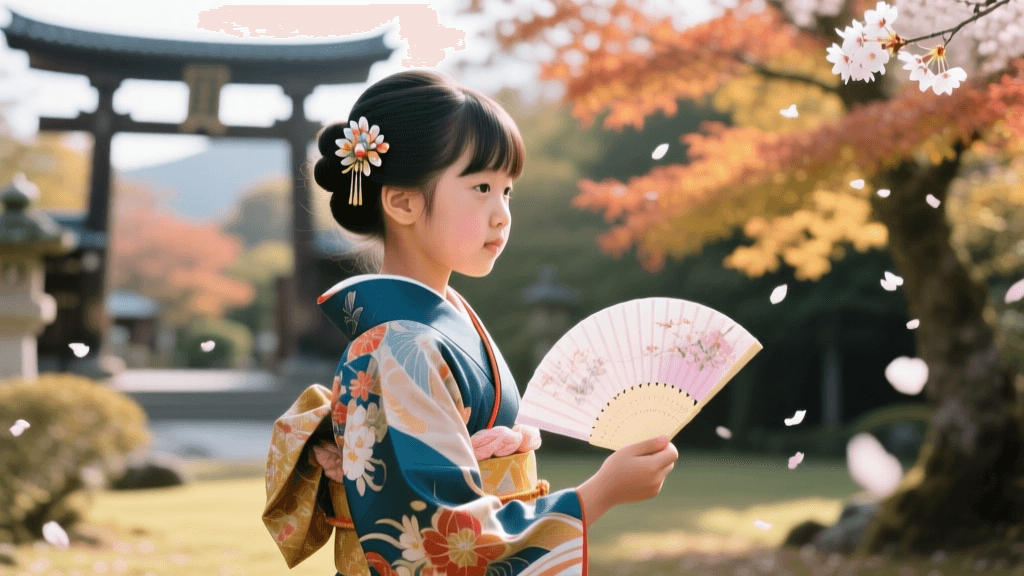
Held annually on November 15th, Shichi-Go-San (Seven-Five-Three) is a rite of passage celebrating the growth and well-being of young children. Historically, these ages were considered critical survival milestones, and the garments worn reflect both joy and spiritual protection.
Age 3: The Hifu Vest
At age three, both boys and girls traditionally wear a kimono paired with a hifu, a soft, padded silk vest. The hifu eliminates the need for a stiff, heavy obi (sash), ensuring the toddler remains comfortable during long shrine visits. In 2026, popular motifs for three-year-olds include playful rabbits, blooming peonies, and soft pastel gradients achieved through modern, color-fast digital Yuzen dyeing techniques that replicate traditional hand-painting.
Age 5: The First Hakama
Five-year-old boys mark their transition by wearing their first hakama (pleated trousers) over a kimono, topped with a haori (jacket) adorned with the family crest. The ensemble is anchored by zori sandals and white tabi socks. This outfit symbolizes the boy's first steps into the public sphere of societal responsibilities.
Age 7: The First Otaiko Musubi
For seven-year-old girls, the milestone involves transitioning from the simple, tied sashes of early childhood to a more structured, adult-style obi. While the knot is still simplified for a child's smaller frame, it mimics the elegant Otaiko Musubi (drum knot) worn by adults. The 2026 rental market for Shichi-Go-San packages—which typically include the garment, accessories, professional dressing, and shrine photography—averages between ¥18,000 and ¥28,000, reflecting a slight increase due to the high demand for authenticated vintage silks.
Coming of Age: Seijin no Hi (Age 20)
Seijin no Hi (Coming of Age Day) celebrates young adults reaching the age of maturity. Despite recent civil code updates that legally lowered the age of adulthood in Japan, municipalities in 2026 still overwhelmingly host these vibrant ceremonies for 20-year-olds to avoid conflicting with rigorous university entrance examinations.
The Furisode: Sleeves of Youth
The undisputed star of Seijin no Hi is the furisode, a formal kimono characterized by its dramatically long, swinging sleeves, which can measure up to 114 centimeters in length. The furisode is strictly reserved for unmarried young women. In 2026, the prevailing trend is 'Retro-Modern'—a revival of Taisho-era (1912-1926) aesthetics. Young women are favoring deep jewel tones like emerald green and sapphire blue, contrasted with bold, geometric patterns and large, vintage-style floral motifs.
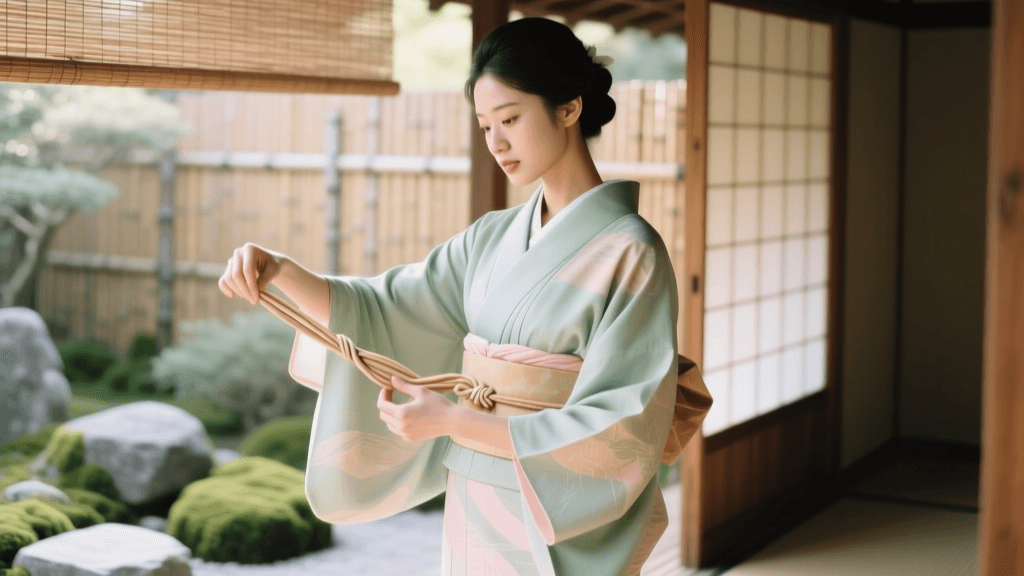
The coordination of a furisode is highly complex. It requires a Fukura Suzume (sparrow-shaped) obi knot, intricate kazari-himo (decorative braided cords), and elaborate floral kanzashi hair ornaments. Because purchasing a high-quality silk furisode can exceed ¥800,000, the vast majority of participants utilize 2026 rental services. A premium all-inclusive 2026 rental package—covering the furisode, obi, undergarments, zori, professional hair and makeup, and dressing assistance—typically ranges from ¥65,000 to ¥95,000.
Marriage: The Bridal Transition
A traditional Japanese wedding involves multiple wardrobe changes, each symbolizing a different facet of the bride's transition into her new life and family.
Shiromuku: The Pure White Canvas
The ceremony begins with the Shiromuku, an entirely white ensemble including the kimono, obi, and undergarments. White symbolizes purity and the bride's willingness to be 'dyed' in the colors and traditions of her new family. The bride's head is adorned with a tsunokakushi (a white hood literally translating to 'horn-hiding'), symbolizing the concealment of jealousy and ego, and a wataboshi (a white silk hood) that acts as a bridal veil.
Irouchikake and Hikizuri: The Celebration
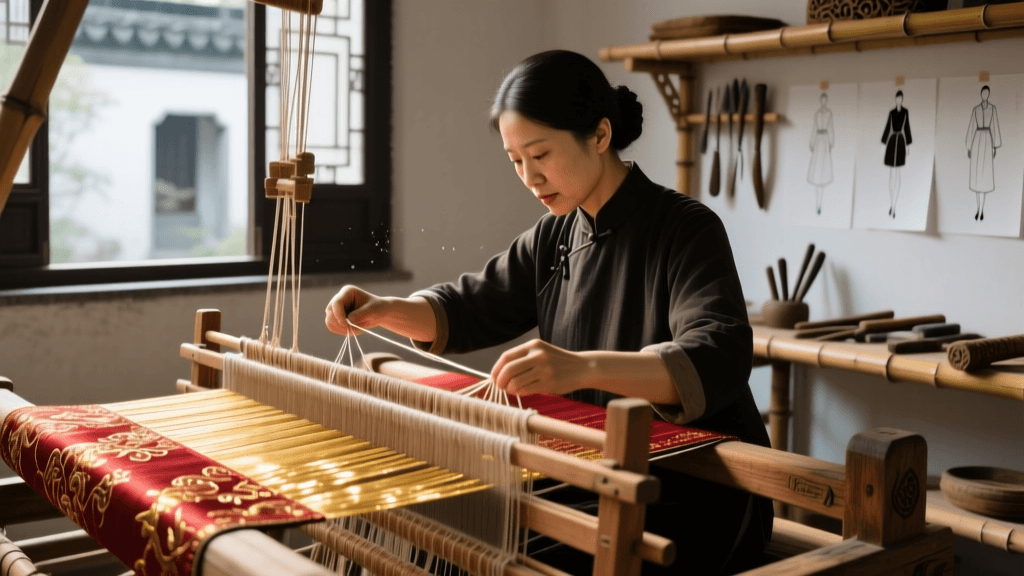
For the reception, the bride changes into an Irouchikake, a heavily brocaded, colorful over-robe that trails behind her. Crimson and gold are the most popular colors, featuring auspicious motifs like cranes (symbolizing longevity) and pine trees (symbolizing endurance). According to cultural institutions like the Victoria and Albert Museum's Asian collections, the structural complexity of these bridal garments represents the pinnacle of Japanese textile arts, often utilizing heavy Nishijin-ori weaving techniques that give the fabric a sculptural, three-dimensional quality.
Later Life: Kanreki (Age 60)
The 60th birthday, or Kanreki, marks the completion of the traditional 60-year zodiac cycle and the beginning of a new life. Traditionally, the celebrant wears a red chanchanko (a padded, sleeveless vest) and a red boshi (cap). Red is believed to ward off evil spirits and symbolizes a return to the innocence of infancy.
However, 2026 has seen a sophisticated shift in Kanreki celebrations. Many active, fashion-forward 60-year-olds are opting to bypass the traditional vest in favor of a subtle, crimson komon (a kimono with a fine, repeating pattern) or a deep burgundy Edo Komon. This allows them to honor the red color mandate of the tradition while maintaining a dignified, elegant aesthetic suitable for upscale restaurant celebrations and international travel.
Mourning and Reflection: Mofuku
In the event of a close family member's passing, the strictest kimono rules apply to Mofuku (mourning attire). The garment is a plain, unpatterned black silk kimono bearing five kamon (family crests) placed on the back, chest, and sleeves. The obi is matte black, and all accessories—including the zori sandals and kobukusa (purse)—must be devoid of shine or decorative elements. White tabi are worn, but the juban (under-kimono) must also be black or a very muted, somber tone. Mofuku is a profound expression of grief and respect, and its rigid rules have remained largely unchanged for over a century.
2026 Kimono Milestone Comparison Chart
| Life Stage | Age | Primary Garment | Key Accessories | 2026 Est. Rental Cost (JPY) |
|---|---|---|---|---|
| Shichi-Go-San | 3, 5, 7 | Hifu / Hakama / Furisode-lite | Zori, Tabi, Hako-seko | ¥18,000 - ¥28,000 |
| Seijin no Hi | 20 | Furisode | Long Obi, Kanzashi, Fur-shawl | ¥65,000 - ¥95,000 |
| Marriage | Adult | Shiromuku / Irouchikake | Tsunokakushi, Bunkin Wig | ¥150,000 - ¥300,000+ |
| Kanreki | 60 | Chanchanko / Red Komon | Red Haori, Subdued Obi | ¥25,000 - ¥45,000 |
| Mourning | Any | Mofuku (Black Silk) | Matte Black Obi, White Tabi | ¥30,000 - ¥50,000 |
Preservation and the Future of Milestone Dressing
The continuation of these life-stage traditions relies heavily on the dedication of kitsuke-shi (professional kimono dressers) and cultural preservationists. Organizations highlighted by the Japan National Tourism Organization frequently promote these milestone events as vital cultural heritage experiences, encouraging both locals and international visitors to understand the deep symbolism woven into the fabric.
Furthermore, the 2026 market has seen a boom in 'Kimono Remaking' services, where families take a grandmother's vintage furisode and have it professionally cleaned, re-tailored, and modernized for a granddaughter's Coming of Age Day. This circular fashion approach not only reduces the environmental impact of silk production but also reinforces the kimono's role as a generational heirloom, physically binding the past, present, and future.
Conclusion
From the playful hifu of a three-year-old to the solemn black silk of mourning, the kimono remains an unparalleled medium for expressing the human journey. As we move through 2026, the adaptation of these garments to modern sensibilities—without sacrificing their foundational rules—ensures that the vibrant tapestry of Asian traditions will continue to be worn, celebrated, and revered for generations to come. Whether you are planning a milestone celebration or simply studying the intricate semiotics of Japanese textiles, understanding the life stages of the kimono provides a masterclass in cultural continuity.