Japanese Kimono Life Stages 2026: Milestone Styles
The Evolution of Japanese Kimono Across Life Stages in 2026
The Japanese kimono is far more than a beautiful garment; it is a deeply symbolic canvas that reflects the wearer’s age, marital status, and specific life milestones. As we navigate through 2026, the traditions surrounding these exquisite textiles continue to evolve, blending centuries-old customs with modern sensibilities, sustainable practices, and advanced tailoring technologies. Understanding the progression of kimono styles from infancy to the elder years offers a fascinating glimpse into Japanese cultural philosophy, where every fold, motif, and color holds profound meaning. Whether you are a cultural enthusiast, a textile collector, or preparing for a traditional ceremony, this comprehensive guide explores the distinct kimono garments worn across different life stages in 2026.
Infancy and Early Childhood: Ubugi and Shichi-Go-San
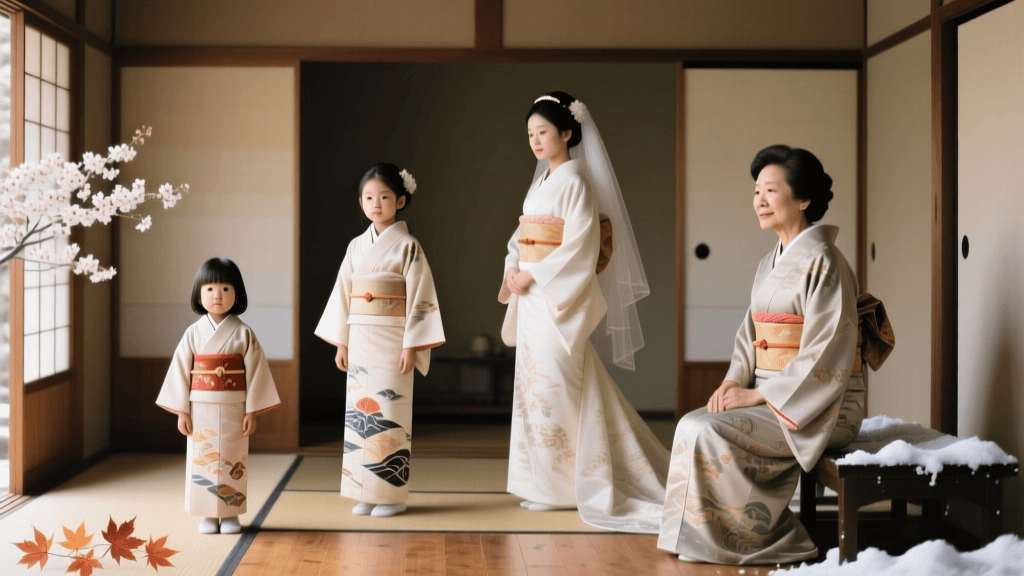
The first sartorial milestone in a Japanese child's life is the Miyamairi, a traditional shrine visit that typically takes place when the baby is about one month old. During this ceremony, the infant is dressed in an ubugi (baby kimono), often featuring auspicious motifs like cranes, turtles, or pine trees, which symbolize longevity and good health. In 2026, many parents opt for lightweight, breathable organic silk blends for the ubugi, ensuring the infant's comfort during the outdoor shrine procession.
As the child grows, the next major milestone is Shichi-Go-San (Seven-Five-Three), a festival held annually in November to celebrate the growth and well-being of children at the ages of three, five, and seven. According to the Japan National Tourism Organization, this tradition dates back to the Heian period, when these specific ages were considered highly auspicious and critical for child survival.
For three-year-old girls, the custom involves wearing a brightly colored kimono with a hifu (a padded, sleeveless vest) tied over the obi, creating a soft, rounded silhouette. Five-year-old boys traditionally wear their first hakama (pleated trousers) over a kimono, often featuring bold, dynamic patterns like eagles or samurai helmets. Seven-year-old girls transition to wearing a more mature kimono tied with a real, structured obi, marking their first step toward adult dressing styles. In 2026, rental shops across Tokyo and Kyoto offer specialized, ultra-lightweight Shichi-Go-San packages, recognizing that modern children require more mobility and less restrictive undergarments than in previous decades.
Coming of Age: The Furisode and Seijin no Hi
The transition into adulthood is marked by Seijin no Hi (Coming of Age Day), celebrated in January for those who have turned 20 (though recent legal adulthood age changes in Japan have prompted cultural discussions, the traditional kimono celebration remains firmly anchored at age 20). The undisputed star of this event is the furisode, a highly formal kimono characterized by its long, swinging sleeves that can measure anywhere from 90 to 114 centimeters in length.
The furisode is exclusively worn by unmarried young women. The sweeping sleeves are historically said to ward off evil spirits and express romantic interest through their graceful movement. In 2026, furisode fashion has seen a massive surge in sustainable and vintage upcycling. Many young women are choosing to rent or purchase restored vintage furisode from the Showa era, pairing them with contemporary, minimalist obi accessories and modern kanzashi (hair ornaments). The All Japan Kimono Association notes that this blend of vintage silk with 2026 styling reflects a growing eco-conscious mindset among Gen Z consumers in Japan.
Weddings: The Pinnacle of Bridal Silk
A traditional Japanese wedding involves multiple kimono changes, each representing a different facet of the bride's journey. The ceremony usually begins with the shiromuku, an entirely white ensemble that includes the kimono, obi, and wataboshi (a white hood). The white symbolizes the bride's purity and her willingness to be 'dyed' in the colors of her new family.
Following the ceremony, the bride changes into an uchikake (a heavily padded, unbelted outer robe worn over a base kimono) or an iro-uchikake (colored uchikake). These garments are incredibly opulent, often featuring intricate gold and silver thread embroidery depicting cranes, pine trees, and plum blossoms. For the reception, some brides opt for a hikizuri, a trailing kimono that sweeps the floor, showcasing immense elegance and wealth.
| Bridal Garment | Key Characteristics | When Worn | 2026 Avg. Rental Cost (JPY) |
|---|---|---|---|
| Shiromuku | Pure white silk, wataboshi hood, subtle woven patterns | Shinto Shrine Ceremony | ¥150,000 - ¥250,000 |
| Uchikake / Iro-Uchikake | Heavy padded hem, vibrant colors, lavish embroidery | Reception / Photo Sessions | ¥200,000 - ¥400,000 |
| Hikizuri | Long trailing skirt, elegant drape, formal crests | Reception / Traditional Banquets | ¥180,000 - ¥300,000 |
Married Adulthood: Tomesode and Houmongi
Once a woman marries, her kimono wardrobe undergoes a significant shift. The long sleeves of the furisode are symbolically shortened, and she transitions to wearing tomesode and houmongi. The kurotomesode (black tomesode) is the most formal kimono for married women, featuring five family crests (kamon) and a continuous pattern only along the lower hem. It is typically reserved for the weddings of close relatives, such as siblings or children.
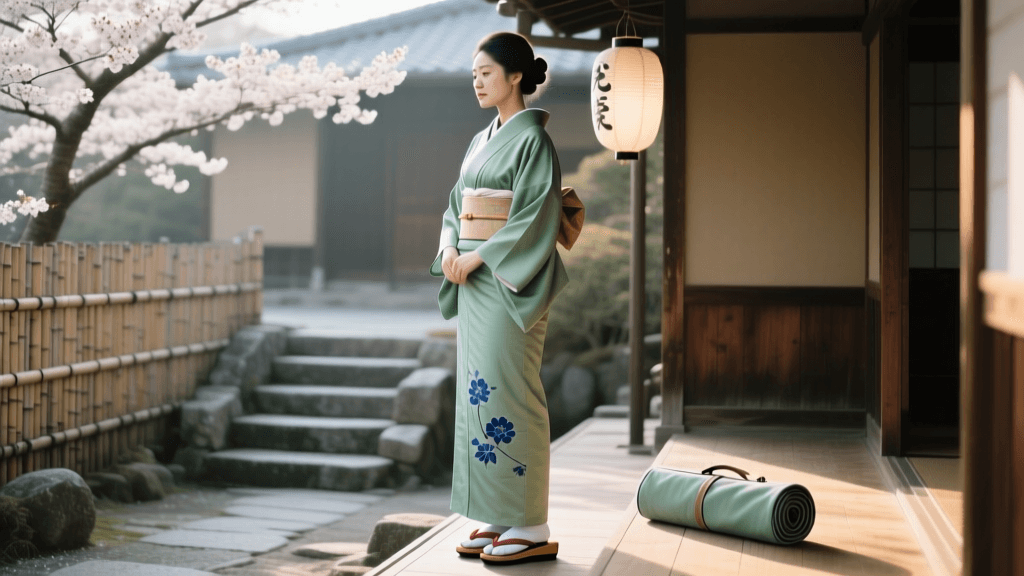
For slightly less formal occasions, married and unmarried women alike wear the houmongi (visiting wear). The houmongi features patterns that flow seamlessly across the seams, creating a beautiful, unified picture when the garment is laid flat. In 2026, houmongi designs have embraced softer, more abstract botanical motifs, moving away from rigid traditional layouts to appeal to modern aesthetic preferences while maintaining strict formal etiquette.
The Golden Years: Edo Komon and Shibui Elegance
As women enter their middle and elder years, the cultural aesthetic shifts toward shibui—a concept of subtle, unobtrusive, and profound beauty. Flashy colors and large, bold patterns are replaced by deep, muted tones like charcoal, navy, deep plum, and forest green. The focus shifts entirely to the quality of the silk, the precision of the dyeing technique, and the elegance of the obi.
The Edo Komon is highly favored by older women. Originating as a dyeing technique for samurai ceremonial garments, Edo Komon features microscopic, repetitive patterns that appear as a solid color from a distance but reveal incredible complexity up close. The Tokyo National Museum frequently highlights Edo Komon in its textile exhibitions, noting its historical significance and the immense technical skill required to carve the paper stencils used in the dyeing process. Elder women also prioritize comfort in 2026, utilizing advanced, moisture-wicking hadajuban (under-kimono) and elasticized obi supports that reduce the physical strain of wearing heavy silk for extended periods.
Modern Innovations in 2026: Comfort, Tech, and Sizing
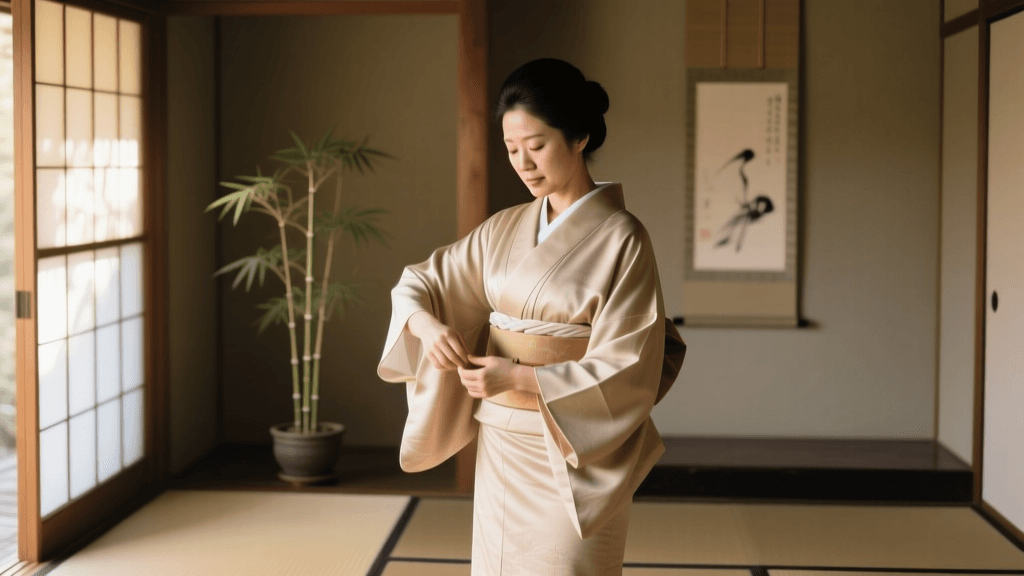
While the rules of kimono wearing are steeped in history, the practicalities of wearing them in 2026 have been revolutionized by technology. One of the most significant challenges of traditional kimono is that they are cut from standard-width bolts of fabric (tanmono), which historically struggled to accommodate the increasing average height of modern Japanese citizens. Today, custom tailoring utilizing 3D body scanning ensures that the ohashori (the waist fold) sits at the perfect proportional height, regardless of the wearer's stature.
Furthermore, the rental industry in 2026 has fully embraced AI-driven virtual try-ons. Customers can upload their biometric data to see exactly how a specific furisode or tomesode will drape on their unique body type, allowing for precise pre-selection before visiting a physical boutique. Sustainable silk farming in regions like Gunma Prefecture has also gained traction, providing eco-conscious consumers with traceable, ethically produced silk for their milestone garments.
Conclusion
The journey through life in Japan is beautifully mirrored by the evolving styles of the kimono. From the protective, brightly colored garments of childhood to the sweeping elegance of the bridal uchikake, and finally to the refined, subtle mastery of the Edo Komon in one's elder years, each stage is marked by distinct textile traditions. In 2026, these garments are not mere relics of the past; they are living, breathing expressions of identity, adapted for the modern era while fiercely preserving the cultural milestones that define the Japanese human experience.