Kimono Milestones 2026: Dressing for Japan's Life Stages
The Enduring Role of the Kimono in Japan’s Life Cycle
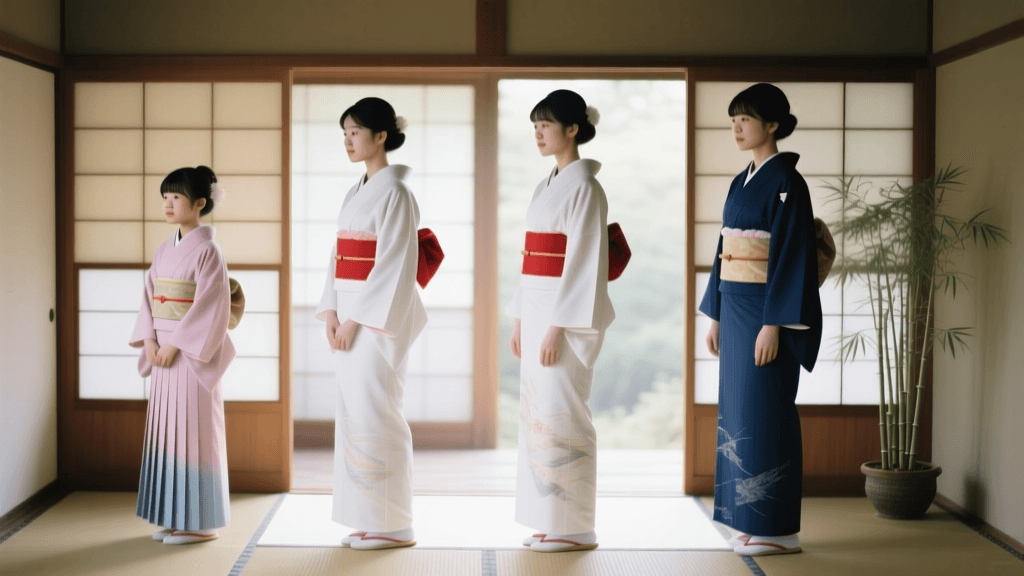
While Western clothing entirely dominates daily life in contemporary Japan, the traditional kimono remains the undisputed garment of record for life's most critical transitions. In 2026, the kimono is no longer viewed as everyday wear, but rather as a powerful symbol of hare (the sacred, festive, and extraordinary). From a child's first shrine visit to a bride's procession and an elder's 60th birthday, the garments worn during these milestones are steeped in centuries of symbolism, regional craftsmanship, and familial love. According to the Agency for Cultural Affairs, the preservation of these sartorial rituals is considered a vital component of Japan's intangible cultural heritage, ensuring that techniques like Yuzen dyeing and Nishijin weaving continue to thrive in the modern era.
Navigating the rules of kimono dressing (kitsuke) for specific ages and life events can be daunting, especially as modern interpretations blend with strict traditional guidelines. This comprehensive guide explores the essential kimono styles for Japan's major life milestones in 2026, offering actionable advice on garment selection, styling nuances, and current market pricing.
Shichi-Go-San: Celebrating Childhood at Ages Three, Five, and Seven
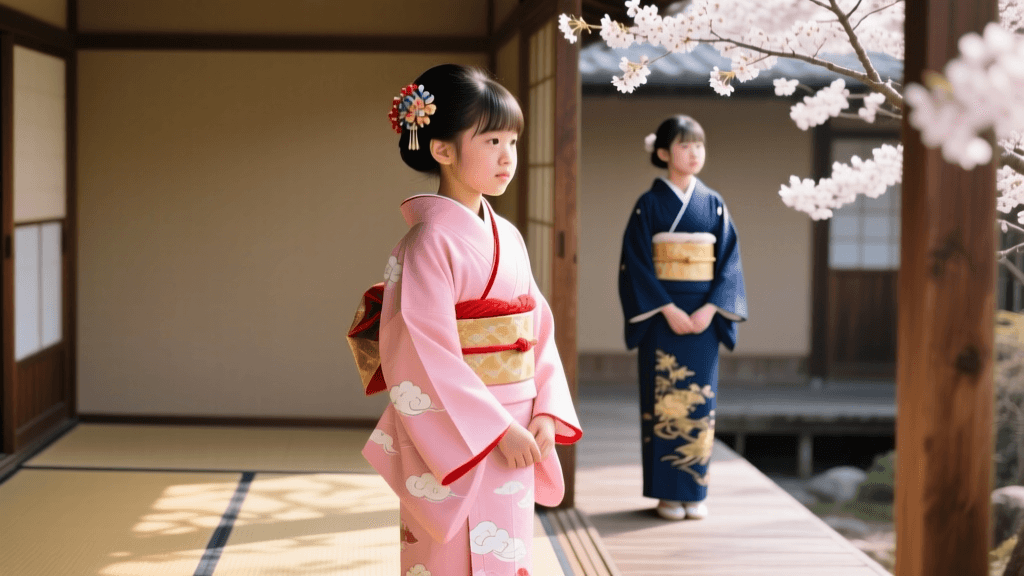
Held annually on November 15th, Shichi-Go-San (Seven-Five-Three) is a rite of passage celebrating the growth and health of children at ages three, five, and seven. Historically, these ages marked critical survival milestones in childhood, and the garments worn to the local Shinto shrine are designed to invoke divine protection.
Age Three: The Hifu Vest
For three-year-old girls (and occasionally boys), the focal point of the outfit is the hifu, a padded, sleeveless silk vest worn over a brightly patterned kimono. Because children this young cannot endure the tight binding of a traditional obi, the hifu provides a formal, elegant silhouette without the discomfort. In 2026, rental shops are seeing a surge in demand for vintage Taisho-era (1912-1926) hifu patterns, featuring bold, modernist florals and geometric shapes that appeal to millennial and Gen Z parents.
Age Five: The First Hakama
Five-year-old boys transition into wearing their first hakama (pleated trousers) paired with a formal haori (jacket). The ensemble is typically adorned with family crests (kamon) and features auspicious motifs like hawks, samurai helmets (kabuto), or dragons. The boy also carries a traditional folding fan (sensu) and wears straw sandals (zori).
Age Seven: The First Adult Obi
At age seven, girls graduate from the simple cord-tied obi of their toddler years to a full, formal obi tied in a style that mimics adult women, such as the bunko (butterfly) knot. This transition symbolizes the girl's entry into a more mature social sphere. The data from the Japan National Tourism Organization highlights that Shichi-Go-San remains one of the most visually striking cultural events for both domestic families and international cultural tourists visiting Japan in late autumn.
Seijin no Hi and Hatachi: The Coming of Age Furisode
The transition to adulthood is marked by Seijin no Hi (Coming of Age Day), held on the second Monday of January. A fascinating cultural shift has solidified by 2026: although Japan legally lowered the age of adulthood to 18 in 2022, the cultural and sartorial celebration of the Furisode remains overwhelmingly anchored to age 20 (Hatachi). Because 18-year-olds are typically consumed by university entrance examinations, most municipalities now host 'Hatachi no Tsudoi' (Gatherings of 20-Year-Olds), preserving the traditional timeline for this sartorial milestone.
The Anatomy of the Furisode
The Furisode is the most formal kimono for unmarried women, instantly recognizable by its long, swinging sleeves. The length of the sleeve dictates the formality and the specific age appropriateness:
- Oburisode (Large Furisode): Sleeves measuring roughly 114 cm. This is the most formal tier, frequently worn by brides during wedding receptions or for highly formal Coming of Age ceremonies.
- Chuburisode (Medium Furisode): Sleeves measuring around 100 cm. This is the standard, most popular choice for 20-year-olds attending Seijin no Hi in 2026.
- Kofurisode (Small Furisode): Sleeves measuring about 85 cm. Often worn for graduation ceremonies (sotsugyoshiki) paired with a hakama.
In 2026, the Furisode rental market has adapted to inflation and changing tastes. While classic pastel silks with cherry blossoms remain popular, there is a massive trend toward 'retro-modern' styling, pairing vintage, deeply saturated silk Furisode with contemporary, oversized lace obijime (decorative cords) and pearl-encrusted hair accessories.
Kekkon: The Bridal Trousseau and Wedding Kimono
A traditional Japanese wedding (shinzen shiki) requires a highly specific, multi-layered wardrobe. The bridal kimono is not just a dress; it is a spiritual armor designed to purify the bride and symbolize her rebirth into her new family.
Shiromuku: The Pure White
The Shiromuku is an entirely white ensemble, from the outer robe to the inner linings, obi, and accessories. White represents purity and the bride's willingness to be 'dyed' in the colors of her new family. It is typically worn during the actual Shinto ritual. The bride's head is adorned with either a Wataboshi (a large, domed silk hood that hides the bride's face from the sides, functioning like a Western veil) or a Tsunokakushi (a simpler, folded silk band that symbolically 'hides the horns' of jealousy and ego).
Iro-Uchikake: The Colored Reception Robe
Following the ceremony, the bride changes into an Iro-Uchikake, a heavily padded, brightly colored outer robe worn open over a base kimono. In 2026, rich crimsons, deep purples, and gold-leafed black silk are the dominant choices. The Uchikake is never tied with an obi; it is allowed to trail elegantly on the floor (hikizuri), requiring the bride to walk with a specific, gliding posture.
Kanreki: The 60th Birthday Celebration
The 60th birthday, or Kanreki, marks the completion of a full cycle through the Chinese zodiac calendar and the return to one's birth sign. It is a celebration of rebirth and longevity. The traditional color for Kanreki is red (aka), which is believed to ward off evil spirits and symbolize a return to infancy.
Historically, the celebrant would wear a red chanchanko (a padded, sleeveless vest) and a red zukin (hood). However, in 2026, modern seniors often find the full chanchanko ensemble overly theatrical. Instead, contemporary Kanreki styling incorporates the auspicious red color through sophisticated kimono accessories: a vibrant red haneri (collar cover), a crimson obiage (obi scarf), or a subtle red woven pattern within a highly refined, age-appropriate Edo Komon kimono. This allows the wearer to honor the tradition while maintaining an elegant, mature aesthetic.
2026 Kimono Rental and Purchase Market Overview
The economics of acquiring milestone kimono have shifted significantly by 2026. Global silk supply chain constraints and a shrinking domestic artisan workforce have driven up the cost of new, handcrafted silk garments. Consequently, the high-end vintage market and premium rental services have become the primary avenues for most families. Below is a comparative overview of the 2026 market for major milestone garments.
| Milestone | Typical Age | Primary Garment | Key Accessories | Avg. 2026 Rental Cost | Avg. 2026 Purchase Cost (New/Vintage) |
|---|---|---|---|---|---|
| Shichi-Go-San (Girl) | 3 or 7 | Hifu / Furisode-style | Shigoki sash, Zori | ¥15,000 - ¥25,000 | ¥80,000 / ¥35,000 |
| Shichi-Go-San (Boy) | 5 | Hakama & Haori | Kamon crest, Sensu | ¥12,000 - ¥20,000 | ¥60,000 / ¥25,000 |
| Seijin no Hi | 20 | Chuburisode | Obi, Zori, Hairpins | ¥80,000 - ¥150,000 | ¥350,000 / ¥120,000 |
| Wedding (Bride) | Varies | Shiromuku / Uchikake | Wataboshi, Sensu | ¥150,000 - ¥300,000 | ¥800,000+ / ¥250,000 |
| Kanreki | 60 | Edo Komon / Chanchanko | Red Obijime/Haneri | ¥30,000 - ¥50,000 | ¥150,000 / ¥40,000 |
*Note: Rental packages in 2026 typically include professional dressing services, hair styling, and photography sessions, which account for the higher end of the price spectrum.
Sourcing, Styling, and Preservation Tips for 2026
If you are planning to participate in any of these milestones, advanced preparation is non-negotiable. For Seijin no Hi, popular rental boutiques in Tokyo and Kyoto book their premium vintage Furisode collections up to eight months in advance. When selecting a garment, pay close attention to the eri (collar) placement; for unmarried women and young girls, the collar should sit snugly against the back of the neck, while married women and brides wearing Shiromuku pull the collar slightly back to expose the nape, a traditionally sensual and formal aesthetic.
For those purchasing vintage kimono to pass down as heirlooms, proper preservation is critical. Japan's humid summers can quickly destroy silk if not stored correctly. Garments must be folded using acid-free tatou-shi paper and stored in paulownia wood chests (tansu), which naturally regulate humidity and repel insects. Furthermore, the traditional practice of mushi-boshi (airing out the garments in the dry, crisp air of late autumn) remains a vital annual ritual to ensure these magnificent textiles survive to mark the milestones of the next generation.