Japanese Kimono & Hakama Types: The Complete 2026 Guide
The global appreciation for Japanese traditional garments has reached a fascinating zenith in 2026. No longer confined strictly to historical reenactments or rigid ceremonial boundaries, heritage pieces like the kimono, yukata, and hakama are being reimagined by a new generation of global artisans, designers, and everyday wearers. As sustainability and slow fashion dominate the 2026 style conversation, the zero-waste construction and incredible longevity of Japanese garments offer a masterclass in mindful dressing.
Understanding the nuances of these garments is essential for both collectors and newcomers. According to the Victoria and Albert Museum, the kimono is not merely a static relic of the past but a dynamic garment that has continuously evolved in response to social and aesthetic shifts. Similarly, the Metropolitan Museum of Art notes that the iconic T-shaped structure of the kimono represents a profound intersection of textile art, social status, and seasonal awareness. In this comprehensive 2026 guide, we break down the core types of Japanese traditional wear, explore modern styling innovations, and provide actionable advice on sourcing authentic pieces today.
The Core Japanese Garment Types Explained
Kimono: The T-Shaped Masterpiece
The word 'kimono' literally translates to 'thing to wear' (ki = wear, mono = thing). While it serves as a catch-all term for traditional Japanese clothing, it specifically refers to the full-length, T-shaped robe worn wrapped left over right and secured with an obi (sash). In 2026, the kimono is categorized primarily by its formality, sleeve length, and pattern placement.
- Furisode: Characterized by dramatically long, swinging sleeves (often 100cm or more), the furisode is the most formal kimono for unmarried women. In 2026, we are seeing a surge in vintage furisode being upcycled into shorter-sleeved garments or modern outerwear due to the sheer volume of silk available in the secondhand market.
- Houmongi: Meaning 'visiting wear,' this is a highly versatile formal kimono for both married and unmarried women. Its defining feature is a continuous pattern that flows seamlessly across the seams. It is the go-to choice for 2026 wedding guests and formal tea ceremonies.
- Komon: The everyday kimono, featuring a repeating, all-over pattern. Komon are the most popular entry point for international enthusiasts in 2026, as they are relatively affordable, highly expressive, and perfect for casual outings or modern street-style layering.
- Tsumugi: Woven from spun silk noil, tsumugi kimono have a distinctive nubby, matte texture. Once considered peasant wear, they are now highly prized in 2026 for their rustic elegance and incredible durability, bridging the gap between casual and semi-formal wear.
Yukata: Summer Cotton Elegance
The yukata is a lightweight, unlined kimono traditionally made from cotton or hemp, worn primarily during the humid Japanese summer and at festivals (matsuri). In 2026, the yukata has transcended its bathhouse origins to become a global summer staple. Modern 2026 yukata trends heavily feature neo-traditional prints, blending classic motifs like morning glories and koi fish with bold, graphic color palettes. Furthermore, the rise of organic cotton and advanced cooling-weave technologies has made the 2026 yukata more breathable and eco-friendly than ever before.
Hakama: Pleated Trousers of Status
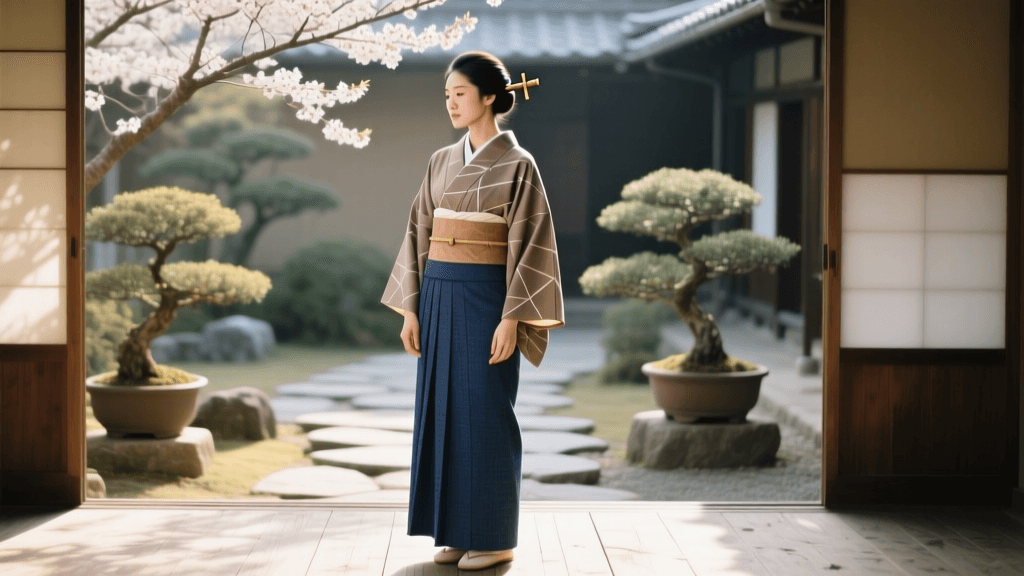
Hakama are wide, pleated trousers worn over a kimono. Historically worn by samurai to protect their legs while riding horses, they are now standard formal wear for men and are worn by women on specific occasions, such as university graduations or martial arts practice. There are two main types:
- Umanori (Horse-riding): Divided like culottes or wide-legged trousers. These are standard for martial arts like kendo and aikido.
- Andon (Lantern): Undivided, resembling a long, pleated skirt. These are typically worn by women over a kimono for graduation ceremonies.
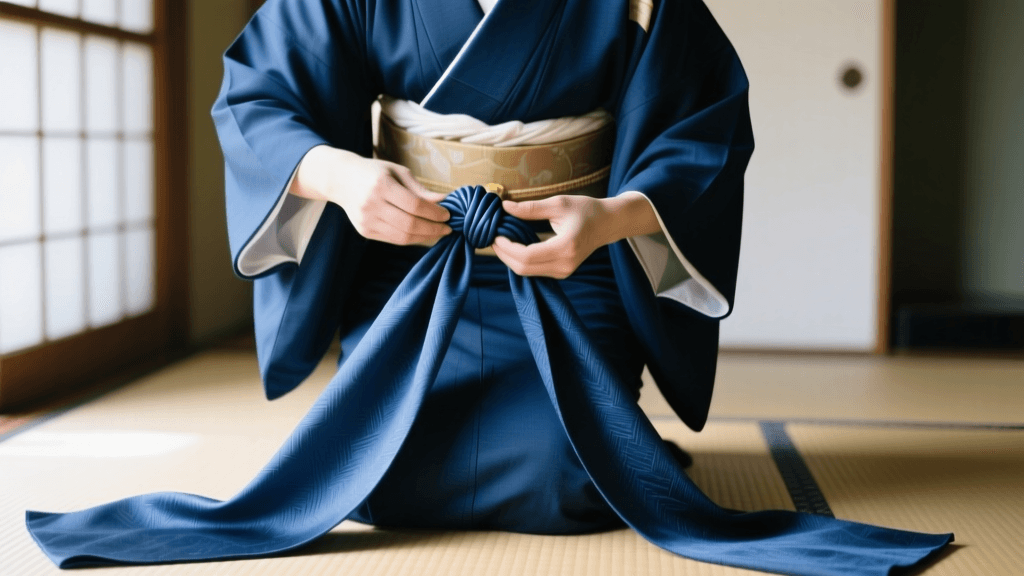
- Obi: The sash that secures the kimono. The 'Nagoya obi' is pre-folded and easier for beginners to tie, while the 'Fukuro obi' is long, wide, and reserved for formal wear.
- Obijime & Obidome: A decorative braided cord (obijime) tied over the obi, often featuring a central clasp or bead (obidome). In 2026, 3D-printed and laser-cut acrylic obidome featuring modern geometric or pop-culture motifs are highly trendy among younger wearers.
- Tabi & Zori: Tabi are split-toe socks, traditionally white for formal wear, though patterned tabi are popular for casual komon styling. Zori are the flat, thonged sandals worn with them. Modern 2026 zori often feature ergonomic EVA foam soles disguised beneath traditional vinyl or brocade uppers for all-day comfort.
In 2026, fashion-forward youth in Harajuku and Kyoto are styling hakama with modern footwear, such as chunky combat boots or sleek leather loafers, creating a striking juxtaposition of Edo-period structure and contemporary edge.
Haori: The Traditional Jacket
The haori is a hip- or thigh-length jacket worn open over a kimono. Originally a practical layer for warmth, it evolved into a canvas for displaying family crests (kamon) or exquisite hidden linings. Today, the haori is arguably the most accessible Japanese garment for global wardrobes. In 2026, it is frequently styled as a duster coat over modern Western clothing, such as turtlenecks, tailored trousers, or even summer dresses, serving as a sophisticated, zero-waste alternative to the modern blazer.
2026 Comparison Chart: Formality and Occasion
| Garment Type | Formality Level | Primary Fabric (2026) | Best Occasion |
|---|---|---|---|
| Kurotomesode | Ultra-Formal | Heavy Crepe Silk | Weddings (close relatives) |
| Furisode | Formal | Patterned Silk Rinzu | Coming of Age Day, formal parties |
| Houmongi | Semi-Formal / Formal | Washable Silk / Chirimen | Tea ceremonies, gallery openings |
| Komon | Casual | Silk, Wool, or Recycled Poly | Theater, casual dining, travel |
| Yukata | Informal / Summer | Organic Cotton, Hemp | Summer festivals, loungewear |
| Hakama | Formal / Martial | Polyester-blend, Silk | Graduations, martial arts, shrine visits |
2026 Fabric Innovations and Sustainability
The most significant shift in the Japanese garment market in 2026 is the embrace of sustainable and low-maintenance textiles. Traditional silk kimono require specialized, expensive dry cleaning and meticulous storage. To combat this, Kyoto-based textile mills have perfected 'washable silk' technologies that allow the luster and drape of genuine mulberry silk to withstand gentle machine washing. Additionally, vegan silk alternatives derived from lotus fibers and advanced cupro (a regenerated cellulose fiber made from cotton linter) are being utilized by modern kimono brands to cater to eco-conscious and vegan consumers without sacrificing the garment's traditional aesthetic.
Upcycling, known in Japan as 'remake' culture, is also booming. Artisans are taking damaged or stained vintage silk kimono and deconstructing them to create modern haori, obi belts, or even western-style patchwork jackets, ensuring that the exquisite Yuzen dyeing and Nishijin weaving techniques of the past are not lost to landfills.
Essential Accessories for the Modern Wearer
A kimono is never worn alone; it is an ensemble of carefully coordinated accessories. Understanding these is crucial for a complete 2026 look:
Sourcing Authentic Garments in 2026
Whether you are seeking a museum-quality antique or a casual summer yukata, knowing where to shop is essential. For brand-new, bespoke kimono, the Nishijin district in Kyoto remains the undisputed epicenter of luxury weaving, though prices for a complete, custom silk ensemble in 2026 easily exceed $3,500 USD.
For international buyers and sustainable fashion advocates, the vintage market is the most exciting avenue. Online platforms specializing in Japanese vintage textiles offer authenticated, recycled silk komon and haori starting between $60 and $150 USD. When buying vintage, always check the 'shoulder-to-hem' measurement (called 'kitake'). While traditional kimono were tailored to the individual's exact height, modern wearers often embrace a slightly shorter length, allowing the hem to hit at the ankle for a more contemporary, mobile silhouette. Always request detailed photos of the collar and hem, as these areas show the most wear on vintage pieces.
By understanding the rich history, structural nuances, and modern evolutions of these garments, you can respectfully and stylishly integrate Japanese traditional wear into your 2026 wardrobe, celebrating a craft that seamlessly weaves the past into the future.