Hanfu Secondhand Market 2026: Vintage Collecting & Resale Guide
The Evolution of the Hanfu Resale Market in 2026
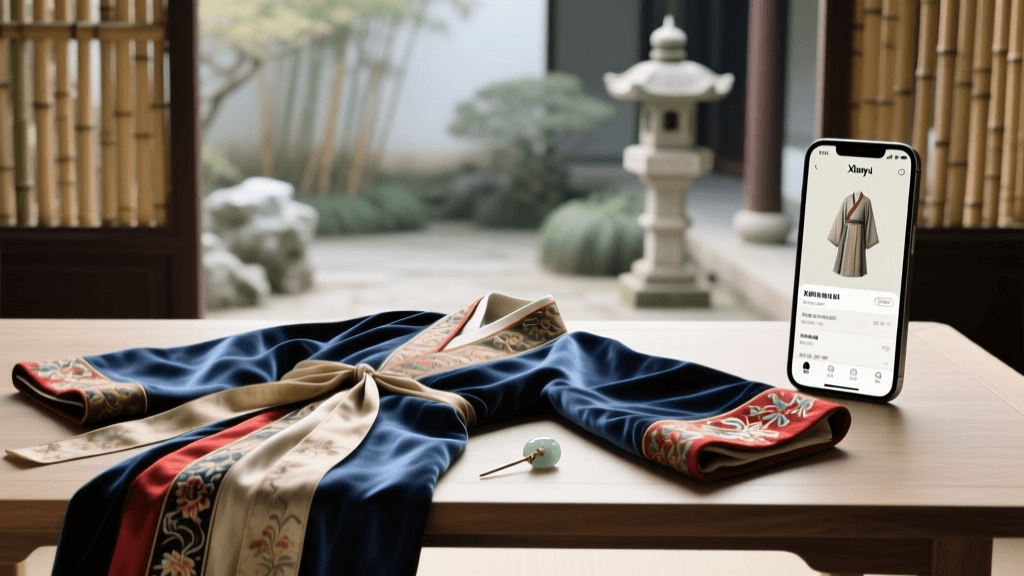
As we navigate through 2026, the Hanfu movement has matured from a niche subculture into a global fashion phenomenon. With millions of enthusiasts worldwide, the demand for traditional Chinese clothing has shifted. While fast-fashion Hanfu remains popular for casual wear, serious collectors and dedicated enthusiasts are increasingly turning to the secondhand and vintage markets. This shift is driven by a desire for sustainability, the hunt for discontinued designs from pioneering Hanfu brands, and the pursuit of authentic, high-quality textiles that are no longer in mass production.
The 2026 secondhand Hanfu market is robust, highly organized, and deeply nuanced. Pieces produced during the initial revivalist boom of the late 2010s and early 2020s are now highly sought after as 'neo-vintage' collector items. Furthermore, true antique textiles and museum-grade reproductions command premium prices on specialized resale platforms. For collectors, understanding the current valuation metrics, authentication techniques, and platform dynamics is essential to building a meaningful and historically respectful wardrobe.
Defining 'Vintage' and 'Antique' in Hanfu Collecting
In the context of the 2026 Hanfu market, terminology is critical. Collectors generally divide the secondhand market into three distinct categories:
- True Antiques (Gu Dong): Original garments or textile fragments dating back to the Ming, Qing, or earlier dynasties. These are rarely worn and are purchased for archival study, framing, or museum donation. Sourcing these requires deep knowledge of historical Chinese textiles and access to specialized auction houses.
- Neo-Vintage (Early Revivalist): Hanfu produced between 2015 and 2022 by pioneering, now-defunct, or highly exclusive indie studios. These pieces are prized for their unique interpretations of historical patterns before the market became saturated with mass-produced, factory-made alternatives.
- Secondhand Modern: Gently used, contemporary Hanfu from established 2025-2026 brands. Buyers flock to this tier to find sold-out colorways, limited-edition collaborations, or to purchase high-end silk garments at a fraction of the retail price.
2026 Hanfu Secondhand Valuation Guide
Pricing in the secondhand Hanfu market fluctuates based on material scarcity, brand prestige, and historical accuracy. The global silk supply chain disruptions of 2025 have made pure mulberry silk and traditional Zhijin (woven gold) pieces significantly more valuable on the resale market in 2026. Below is a comparative valuation chart for collectors and resellers.
| Garment Style | Dynasty Inspiration | Material / Technique | 2026 Resale Value (USD) | Collector Demand |
|---|---|---|---|---|
| Mamianqun (Horse-Face Skirt) | Ming Dynasty | Pure Silk Zhijin (Woven Gold) | $350 - $1,200+ | Extremely High |
| Beizi (Outer Cloak) | Song Dynasty | Lightweight Silk Gauze (Luo) | $180 - $450 | High |
| Aoqun (Lined Jacket & Skirt) | Ming Dynasty | Brocade / Heavy Jacquard | $150 - $400 | Moderate to High |
| Banbi (Half-Sleeve Jacket) | Tang Dynasty | Printed Polyester / Modern Blend | $30 - $80 | Low (Casual Wear) |
| Yuanlingpao (Round Collar Robe) | Tang / Ming Dynasty | Silk Satin with Embroidery | $250 - $700 | High |
Note: Prices reflect the average resale market on platforms like Xianyu and specialized global proxy services as of mid-2026. Rare, discontinued indie brand pieces can exceed these estimates by 200% or more.
Authentication: Spotting Authentic Silk and Zhijin Weaves
One of the greatest challenges in the 2026 secondhand market is distinguishing between authentic traditional craftsmanship and modern, mass-produced imitations. This is particularly true for the highly coveted Mamianqun. Here is how expert collectors authenticate premium pieces:
1. Inspecting the Zhijin (Woven Gold) Technique
True Zhijin involves weaving metallic threads directly into the silk fabric on a specialized jacquard loom. In authentic pieces, the gold or silver patterns are an integral part of the textile's structure. Conversely, cheaper modern alternatives use 'printed foil' or 'stamped gold,' where a metallic layer is glued onto the surface of polyester. To test this, examine the reverse side of the fabric. Authentic woven gold will show a distinct, albeit messier, structural pattern on the back, while printed foil will appear as a flat, solid layer of glue or show no metallic trace at all.
2. The Burn Test and Fiber Analysis
While you should never perform a burn test on a completed vintage garment, many high-end secondhand sellers in 2026 include a small, raw fabric swatch with the purchase specifically for this purpose. When burned, authentic mulberry silk smells like burning hair and leaves a crushable, brittle ash. Synthetic blends like polyester will melt into a hard, plastic bead and emit a sweet, chemical odor. For non-destructive testing, collectors now frequently use portable digital microscopes (widely available for under $40) to examine the fiber twist and weave structure at 100x magnification.
3. Evaluating Historical Accuracy
Collectors pay a premium for historical accuracy. According to resources from the Victoria and Albert Museum's Asian collections, traditional garment construction relies on flat-cutting and minimal fabric waste, utilizing the full width of the silk bolt. Modern, commercialized Hanfu often incorporates Western tailoring techniques, such as darts, curved shoulder seams, and zippers. Authentic vintage and high-end revivalist pieces will feature traditional side closures (using knotted buttons or ties), dropped shoulders, and wide, un-tailored sleeves.
Navigating Resale Platforms: Xianyu, Depop, and Etsy
The geography of the Hanfu secondhand market is split between domestic Chinese platforms and international marketplaces. Knowing where to look is half the battle.
Xianyu (Idle Fish)
Xianyu remains the undisputed king of the domestic Hanfu resale market. In 2026, the platform has integrated advanced AI image recognition that helps buyers reverse-search listings to verify if a seller is using stolen photos from original brands. For international buyers, utilizing a trusted proxy shopping agent (such as Superbuy or CSSBuy) is mandatory. When searching Xianyu, use precise Chinese terminology: search for 'Hanfu chu shou' (Hanfu for sale) or 'Mamianqun er shou' (secondhand horse-face skirt). Always ask the seller for a video of the garment in natural light to check for color accuracy and fabric sheen.
Etsy and Depop
For buyers outside of Asia who prefer the security of Western payment gateways, Etsy and Depop have seen a massive surge in Hanfu listings. However, buyers must exercise extreme caution. Many listings on these platforms are dropshipped, mass-produced polyester garments marked up by 300%. To find genuine secondhand or vintage pieces on Etsy, filter your search by 'Vintage' and look for sellers located in regions with large Chinese diaspora communities who are selling pieces from their personal archives. Look for detailed measurements in centimeters, as authentic sellers accustomed to the Hanfu market will provide precise flat-lay measurements (bust, waist, skirt length, and sleeve span).
Archival Care and Preservation for Secondhand Hanfu
Acquiring a rare, vintage Hanfu piece is only the first step; preserving it for future generations requires meticulous care. Traditional silk is highly susceptible to light damage, moisture, and protein-eating pests.
- Storage: Never hang heavy silk garments like the Mamianqun or lined Aoqun on standard hangers, as the weight of the fabric will distort the shoulders and waistband over time. Instead, fold them using acid-free, unbuffered tissue paper to prevent hard creases, and store them in breathable cotton garment bags or archival cedar boxes.
- Cleaning: Avoid dry cleaning vintage silk unless absolutely necessary, as the harsh chemicals can strip the fabric of its natural sericin coating and degrade metallic threads. For light odors, air the garment out in a shaded, well-ventilated area. For stains, consult a textile conservator who specializes in historical Asian garments.
- Environment: Maintain a stable storage environment with a relative humidity of around 50% and a temperature of 65°F (18°C). Fluctuations in humidity can cause the silk fibers to expand and contract, leading to micro-tears, especially in heavily embroidered areas.
Conclusion: The Future of Hanfu Collecting
The 2026 Hanfu secondhand market represents a fascinating intersection of historical preservation, sustainable fashion, and cultural pride. Whether you are hunting for a rare, discontinued Ming-style skirt on Xianyu or carefully archiving a fragile antique textile fragment, participating in the resale market helps sustain the ecosystem of traditional Chinese craftsmanship. By prioritizing authentication, understanding valuation metrics, and practicing proper archival care, collectors ensure that the legacy of Hanfu continues to be worn, studied, and cherished for generations to come.