Japanese Kimono & Hakama Guide 2026: Types, Sizing, and Styling
The Enduring Legacy of Japanese Garments in 2026
As we navigate the fashion landscape of 2026, the global appreciation for Japanese traditional garments has reached unprecedented heights. Far from being relegated to museum archives or strictly ceremonial use, garments like the kimono, hakama, and haori are experiencing a vibrant renaissance. Today's wearers are blending centuries-old textile techniques with contemporary streetwear, sustainable fashion practices, and modern tailoring. Whether you are a collector of vintage silk, a practitioner of traditional arts, or a fashion enthusiast looking to incorporate authentic Japanese silhouettes into your wardrobe, understanding the nuances of these garments is essential.
This comprehensive guide explores the definitive types of Japanese traditional clothing, provides up-to-date 2026 pricing and sourcing information, and offers actionable advice on sizing, styling, and preservation. According to the Victoria and Albert Museum's extensive research on Japanese dress, the evolution of the kimono from an undergarment in the Heian period to the iconic outerwear of today represents one of the most fascinating trajectories in global fashion history.
Essential Japanese Garment Types: A Comprehensive Breakdown
1. Kimono: The Iconic Silhouette
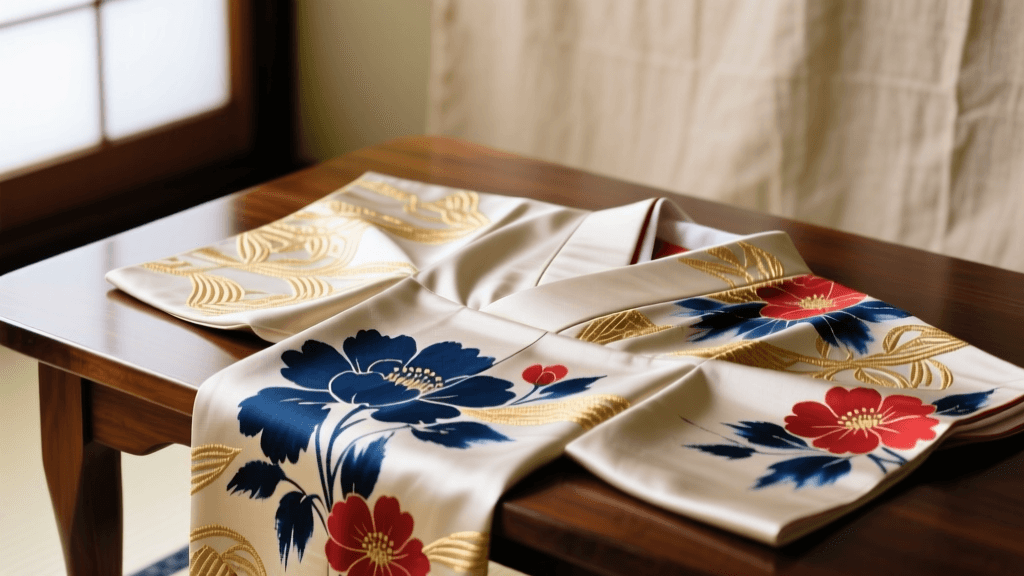
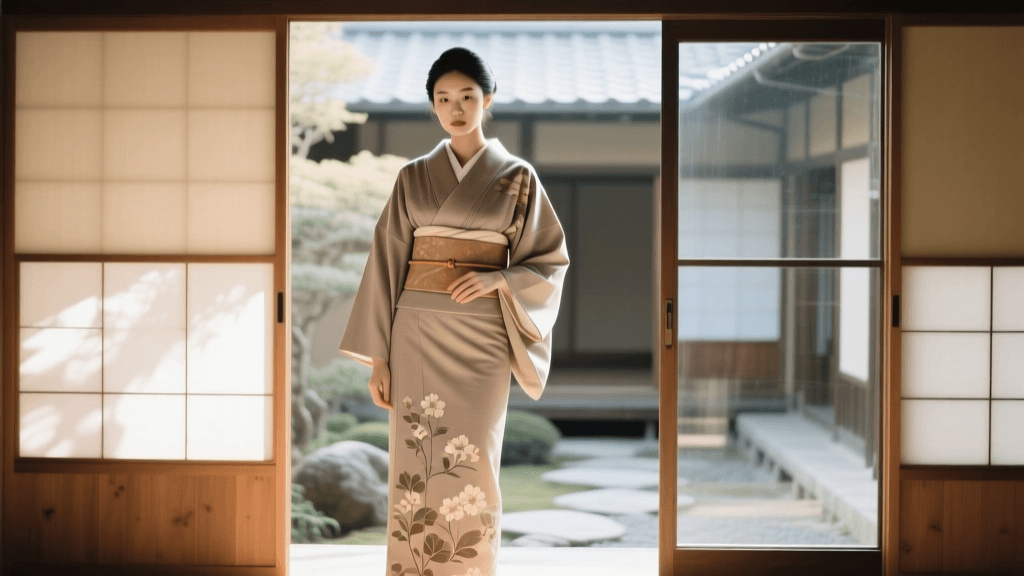
The word "kimono" literally translates to "thing to wear" (ki = wear, mono = thing). However, it specifically refers to the T-shaped, straight-lined robe with attached collars and long, wide sleeves. In 2026, the kimono remains the pinnacle of Japanese formalwear, categorized by formality, marital status, and gender.
- Furisode: The most formal kimono for unmarried women, characterized by long, swinging sleeves (up to 114 cm). Often worn at Coming of Age Day (Seijin-shiki) and weddings.
- Tomesode: The most formal kimono for married women. Kurotomesode (black) features patterns only below the waist and is worn by close relatives of the bride. Irotomesode (colored) is slightly less formal.
- Komon: A casual, everyday kimono featuring a repeated pattern across the entire garment. Perfect for modern styling and casual outings.
- Tsumugi: Woven from raw silk threads, these have a rustic, textured appearance. Despite being made of expensive silk, they are considered casual or semi-formal wear.
2. Yukata: Summer Elegance
The yukata is a lightweight, unlined cotton or hemp garment worn during the humid Japanese summer. Originally a bathrobe for the nobility, it evolved into the standard attire for summer festivals (matsuri) and fireworks displays. In 2026, modern yukata often feature bold, contemporary prints, and innovative cooling-fabric blends are becoming increasingly popular among younger demographics.
3. Hakama: Pleated Tradition
Hakama are wide, pleated trousers or divided skirts worn over a kimono. Traditionally associated with samurai, they are now standard attire for university graduations, martial arts (like kendo and aikido), and Shinto priests. The standard formal hakama features five pleats in the front and two in the back, representing the five Confucian virtues. Women frequently wear a style called andon-bakama (an undivided, skirt-like hakama) over a furisode or komon for graduation ceremonies.
4. Haori: The Traditional Jacket
The haori is a hip- or thigh-length jacket worn open over a kimono. Originally worn by men, it was adopted by geisha in the Edo period and eventually became a staple for all genders. In 2026, the haori has transcended traditional kitsuke (dressing rules) to become a global fashion statement, frequently layered over turtlenecks, tailored trousers, or even evening gowns.
5. Nagajuban: The Hidden Foundation
The nagajuban is an under-kimono worn beneath the outer garment to protect the expensive silk from sweat and body oils. Only the collar (eri) is visible at the neckline. Modern 2026 iterations often feature washable synthetic fabrics and detachable collars for easy maintenance.
2026 Comparison Chart: Formality, Occasion, and Pricing
Understanding the hierarchy of Japanese garments is crucial for dressing appropriately. Below is a 2026 market guide to help you navigate formality and average retail prices for authentic pieces.
| Garment Type | Formality Level | Best Occasion (2026) | Avg. Price Range (USD) |
|---|---|---|---|
| Kurotomesode | Ultra-Formal | Weddings (Mother of Bride/Groom) | $2,500 - $8,000+ |
| Furisode | Formal | Coming of Age, Tea Ceremonies | $1,800 - $6,500 |
| Hakama Set | Formal / Academic | Graduations, Martial Arts | $350 - $1,200 |
| Komon | Casual / Semi-Formal | Dinners, Gallery Visits, Travel | $150 - $800 (Vintage/Silk) |
| Yukata | Casual | Summer Festivals, Ryokan Stays | $40 - $250 |
| Haori | Variable | Layering, Modern Streetwear | $80 - $600 |
Sizing and Measurements: Achieving the Perfect Fit
Unlike Western clothing, which is tailored to the body's exact contours, traditional Japanese garments are constructed from standard-width bolts of fabric (tanmono). The fit is achieved through the folding and tying of the obi (sash) during the dressing process. However, selecting the correct base size is still critical.
Key Measurements to Know:
- Mitake (Back Length): Measured from the base of the neck to the desired hemline (usually the ankle bone). For a standard modern fit, the mitake should be roughly equal to your height minus 20-25 cm.
- Yuki (Sleeve Length): Measured from the center back of the neck, over the shoulder, and down to the wrist. A proper yuki ensures the sleeve drape looks elegant and the wrist is covered when arms are relaxed.
- Hip Width: While kimono are wrap garments, you must ensure the front panels overlap sufficiently. Measure the widest part of your hips and add at least 15 cm to ensure the garment will wrap securely without pulling.
In 2026, many online vintage retailers and bespoke artisans offer "tall" and "plus-size" alterations, utilizing hidden fabric panels to accommodate Western body types and modern heights without compromising the garment's structural integrity.
Modern Kitsuke: Styling Traditional Garments in 2026
The art of dressing in a kimono is known as kitsuke. While strict traditional rules still apply to formal events, the 2026 fashion landscape celebrates creative expression and fusion styling.
- The Haori Fusion: The most accessible entry point for international wearers is the haori. In 2026, styling a vintage silk haori over a monochromatic turtleneck and wide-leg tailored trousers is a staple in high-end streetwear from Harajuku to Paris.
- Obi Innovations: Traditional obi knots (musubi) like the otaiko (drum knot) remain standard for formal wear. However, modern stylists are utilizing 3D-printed obi-jime (decorative cords) and contemporary leather obi-dome (clasps) to add an avant-garde edge to classic komon.
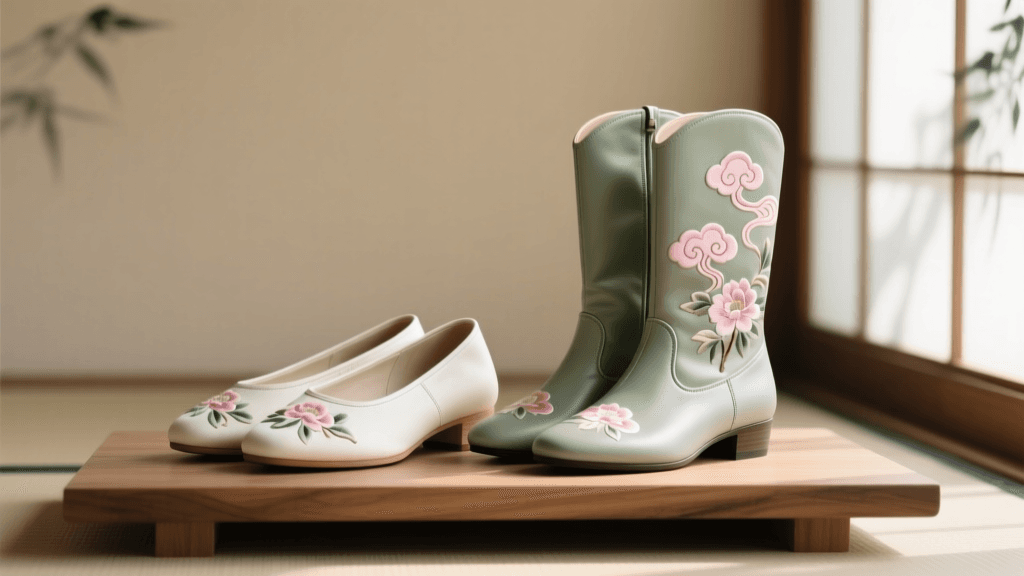
- Footwear: While zori and geta sandals are traditional, it is increasingly acceptable in casual 2026 settings to pair yukata or casual komon with sleek leather boots, platform sneakers, or modern loafers, prioritizing comfort for urban exploration.
Sourcing Authentic Pieces: Where to Buy in 2026
The market for Japanese textiles is robust, but navigating it requires a keen eye for quality and authenticity. According to Kogei Japan, the official portal for traditional crafts, supporting certified artisans ensures the survival of heritage weaving and dyeing techniques like Yuzen and Nishijin-ori.
- Vintage Markets: For affordable, high-quality silk, vintage is the way to go. Online platforms specializing in Japanese exports offer curated, flaw-inspected vintage komon and haori starting around $100. Look for sellers who provide detailed condition reports and close-ups of the silk weave.
- Bespoke Artisans: For formalwear like furisode or tomisode, commissioning a new piece from a Kyoto-based atelier is a significant investment. Expect the process to take 4 to 8 months, with prices reflecting the meticulous hand-painting and gold-leaf application.
- Rental Services: If you are visiting Japan in 2026, cities like Kyoto and Kanazawa offer premium rental services. High-end rentals now include professional kitsuke, hair styling, and the use of premium silk garments that would cost thousands to purchase.
Garment Care and Preservation
Proper care is vital to maintaining the longevity of silk and hemp garments. Traditional Japanese wardrobes utilize a tansu (wooden chest) made of paulownia wood, which naturally regulates humidity and repels insects.
2026 Maintenance Best Practices:
- Airing Out: After wearing, never immediately fold and store your kimono. Hang it on a wide kimono hanger (emono-kake) in a shaded, well-ventilated room for 24 hours to allow moisture to evaporate.
- Cleaning: Never machine wash or hand wash authentic silk. Traditional arai-hari (washing) involves taking the garment apart, washing the individual fabric bolts, and re-sewing them. In 2026, specialized eco-friendly dry cleaners with expertise in traditional textiles are the safest option for spot cleaning and full garment care.
- Storage: Store folded garments in breathable cotton covers or traditional tatou-shi (acid-free paper). Avoid plastic bags, which trap moisture and cause yellowing or mold. Include natural camphor or cedar blocks to deter pests, ensuring they do not directly touch the fabric.
Conclusion
The world of Japanese traditional garments is a profound intersection of art, history, and personal expression. Whether you are investing in a bespoke furisode, styling a vintage haori for a modern wardrobe, or mastering the precise folds of a graduation hakama, these garments offer a timeless elegance that continues to evolve. By understanding the specific types, mastering the sizing nuances, and respecting the traditional care methods, you can confidently participate in the ongoing legacy of Japanese textile culture in 2026 and beyond. For further cultural insights and travel planning, the Japan National Tourism Organization (JNTO) provides excellent resources on regional textile festivals and artisan workshops open to the public.