Japanese Kimono And Hakama Types: The Complete 2026 Guide
The Resurgence of Japanese Traditional Garments in 2026
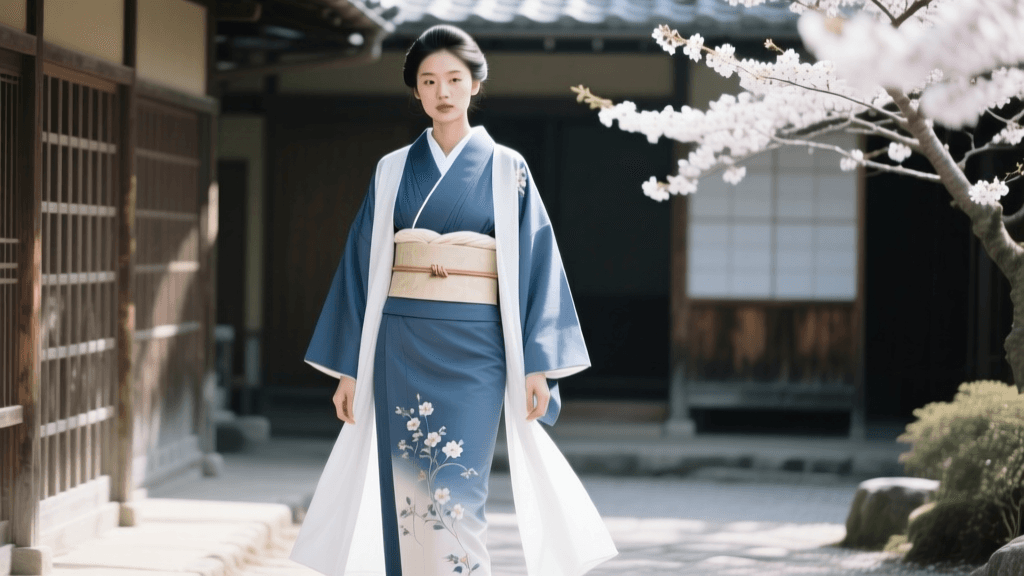
As we navigate through 2026, the global intersection of heritage craftsmanship and contemporary sustainable fashion has sparked a massive revival in Japanese traditional garments. No longer confined to ceremonial closets, the kimono and hakama are being reimagined by a new generation of wearers who value slow fashion, artisanal textiles, and cultural preservation. Whether you are attending a modern tea ceremony, walking the streets of Kyoto, or integrating vintage silk into your daily streetwear, understanding the distinct types of Japanese garments is essential.
This comprehensive guide breaks down the anatomy, formality levels, and modern market realities of Japanese traditional wear in 2026, providing actionable advice for collectors, stylists, and cultural enthusiasts.
The Core Anatomy of the Kimono
Unlike Western tailoring, which relies on complex darts, curved seams, and bias cuts to contour the body, the traditional kimono is constructed from straight lines. The garment is cut from a single bolt of fabric, known as a tanmono, which is typically about 36 centimeters wide and 11 meters long. This zero-waste construction method is a major reason why sustainable fashion advocates in 2026 champion the kimono.
The kimono is wrapped left over right (right over left is strictly reserved for dressing the deceased) and secured with an obi (sash). Because the garment is essentially a T-shaped tube, the fit is adjusted not by altering the seams, but by folding the excess fabric at the waist, creating a horizontal pleat known as the ohashori. This allows a single kimono to be worn by individuals of varying heights, provided the sleeve length and shoulder width are reasonably proportional.
Formal vs. Casual Kimono Types
The Japanese traditional wardrobe is governed by strict rules of formality, dictated by the wearer's marital status, the season, and the nature of the event. In 2026, while some of these rules have relaxed for foreign wearers and avant-garde street stylists, understanding the baseline classifications remains crucial for respectful and appropriate dressing.
Furisode (Swinging Sleeves)
The Furisode is the highest level of formal attire for unmarried women. It is instantly recognizable by its exceptionally long, swinging sleeves, which can measure anywhere from 85 to 114 centimeters in length. Historically, the waving of these sleeves was a subtle gesture of affection. Today, Furisode are predominantly worn during Coming of Age Day (Seijin no Hi) and at formal weddings. In 2026, modern Furisode designs frequently feature bold, contemporary Yuzen dyeing techniques, sometimes incorporating metallic leafing and 3D embroidery.
Tomesode and Houmongi
For married women, the Kurotomesode (black crested kimono) is the pinnacle of formality, worn exclusively by close relatives at weddings. It features a continuous pattern only along the lower hem and displays five family crests (kamon). The Irotomesode is a colored variant, slightly less formal but equally elegant.
The Houmongi (visiting wear) bridges the gap between formal and semi-formal. It is characterized by a continuous pattern that flows seamlessly across the seams when the garment is laid flat. Houmongi is appropriate for both married and unmarried women attending tea ceremonies, gallery openings, and upscale dinners.
Komon and Yukata
For everyday wear, the Komon features a small, repeating pattern all over the fabric. It is the perfect entry-level silk kimono for casual outings, shopping, or informal dining. The Yukata, made from lightweight cotton or modern breathable hemp-blends, is the quintessential summer garment. During the 2026 summer festival season, upcycled vintage Yukata paired with modern canvas sneakers and minimalist leather obis became a dominant trend in Harajuku and Daikanyama.
Tsumugi and Meisen: The Vintage 2026 Trend
Textile collectors in 2026 are heavily favoring Tsumugi (slubbed silk woven from spun threads) and vintage Meisen (a sturdy, ikat-dyed silk popular in the early 20th century). These fabrics offer a matte, rustic texture that aligns perfectly with the modern 'wabi-sabi' aesthetic. Sourcing authentic 1920s Meisen from Kyoto antique markets has become a highly sought-after pursuit for global fashion archivists.
Understanding Hakama: Pleated Trousers and Skirts
While the kimono often takes center stage, the hakama is an equally vital component of Japanese traditional dress. Worn over the kimono, the hakama is a pleated, voluminous lower garment. There are two primary types:
- Andon-bakama (Lantern Hakama): Constructed like a tube skirt with no division between the legs. This is the standard choice for women's graduation ceremonies in Japan, often paired with a Hakama-shita (a specialized kimono with a shorter hem).
- Umanori-bakama (Riding Hakama): Featuring divided legs, resembling wide trousers. Originally designed for samurai on horseback, it is now the standard for martial arts (Kendo, Kyudo, Aikido) and formal men's wear.
In 2026, female university graduates are increasingly personalizing their Andon-bakama by pairing them with vintage lace collars, Victorian-inspired boots, and modern floral Haori jackets, creating a distinct 'Taisho-Roman' fusion aesthetic.
2026 Market Guide: Pricing, Sourcing, and Rentals
Whether you are looking to invest in a heritage piece or rent an outfit for a single day, the 2026 market offers diverse options. The rise of specialized online kimono consignment platforms has made authentic silk more accessible than ever, while rental shops in major tourist hubs have streamlined the dressing experience. Below is a comparative breakdown of current market averages.
| Garment Type | Formality Level | Primary Demographic | 2026 Avg. Retail (Vintage/New) | 2026 Avg. Daily Rental |
|---|---|---|---|---|
| Furisode | Ultra-Formal | Unmarried Women | $350 - $2,500+ | $90 - $180 |
| Houmongi | Formal / Semi-Formal | All Women | $150 - $1,200 | $60 - $120 |
| Komon | Casual / Everyday | All Women | $40 - $300 | $35 - $60 |
| Yukata | Summer Casual | All Genders | $25 - $150 | $20 - $40 |
| Andon Hakama Set | Graduation Formal | Women | $120 - $600 | $70 - $110 |
| Montsuki Haori Hakama | Ultra-Formal | Men | $200 - $1,500 | $80 - $140 |
Note: Prices are estimated in USD based on early 2026 exchange rates and include standard accessories (obi, obijime, tabi) where applicable in rental packages.
The Art of Layering: A Step-by-Step Guide
Dressing in traditional Japanese garments is an exercise in mindful layering. The modern 2026 approach often utilizes clever shortcuts, such as pre-tied tsuke-obi (clip-on sashes) and synthetic date-obi (under-sashes) to reduce dressing time from an hour to under fifteen minutes. However, the traditional layering order remains as follows:
- Susoyoke & Hadajuban: The foundational undergarments. A cotton slip skirt and a thin, short-sleeved undershirt that absorb sweat and protect the outer silk.
- Nagajuban: The primary under-kimono. This garment is crucial as it provides the collar (han-eri) that peeks out from the neckline of the main kimono. In 2026, washable polyester Nagajuban are the industry standard for hygiene and ease of care.
- Kimono: The main outer garment, wrapped and secured with a koshi-himo (tying cord).
- Obi: The wide sash. For formal wear, a stiff Fukuro-obi is tied in a complex knot (such as the Taiko musubi). For casual wear, a soft Hanhaba-obi is used.
- Obiage & Obijime: The decorative silk cloth that stuffs the obi knot, and the thin braided cord that secures it.
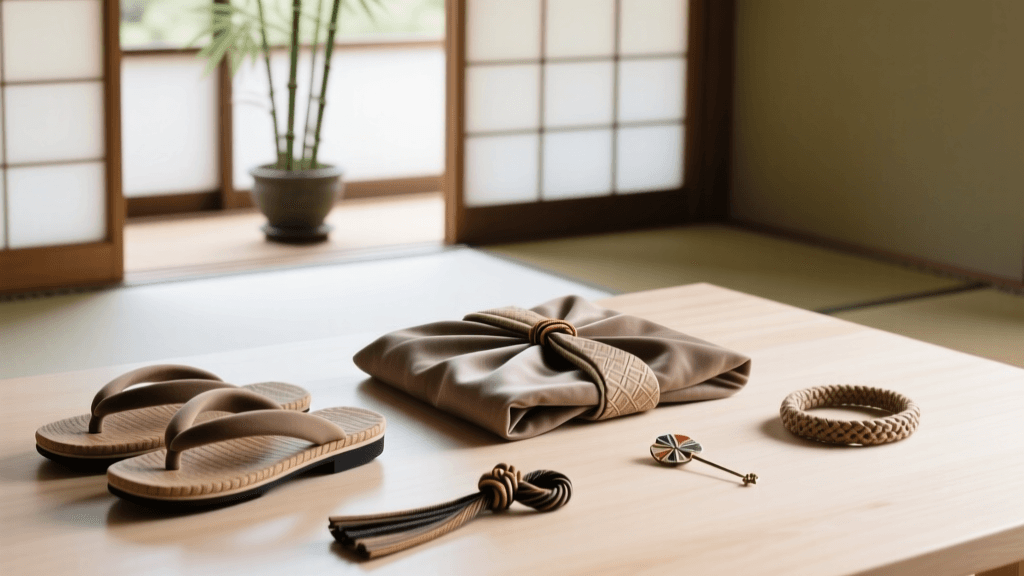
- Zori & Tabi: Split-toe socks and formal sandals. Modern iterations in 2026 include ergonomic memory-foam Tabi and rubber-soled Zori for navigating paved urban environments.
Modern Care and Maintenance
Preserving natural silk requires specific environmental controls. According to textile conservation experts at the Victoria and Albert Museum, silk garments should never be stored in plastic, as this traps moisture and encourages mold growth; instead, they should be wrapped in acid-free tissue paper or breathable cotton covers and stored in a cool, dark environment.
For historical context on how these garments were originally maintained, the Metropolitan Museum of Art notes that traditional kimonos were frequently unpicked into their flat fabric panels for washing and re-stretching—a practice known as arai-hari. While this is rare today due to the high cost of artisan labor, specialized Japanese dry cleaners still offer this heritage service for museum-grade antiques.
For everyday maintenance in 2026, spot cleaning with specialized enzyme sticks and hanging the garment in a well-ventilated, shaded room for 24 hours after wearing is sufficient. Travelers looking to experience authentic dressing and learn proper care techniques firsthand can find certified workshops and cultural immersion programs listed through the Japan National Tourism Organization.
Conclusion: Wearing Heritage in the Modern Era
The Japanese kimono and hakama are not static museum pieces; they are living garments that continue to evolve. In 2026, the boundaries between traditional protocol and personal expression are more fluid than ever. By understanding the foundational types, respecting the anatomy of the garments, and sourcing pieces ethically, you can confidently integrate these magnificent textiles into your modern wardrobe, ensuring this extraordinary sartorial legacy continues to thrive.