Japanese Kimono Types: The Complete 2026 Style Guide
The Living Canvas: Japanese Kimono in 2026
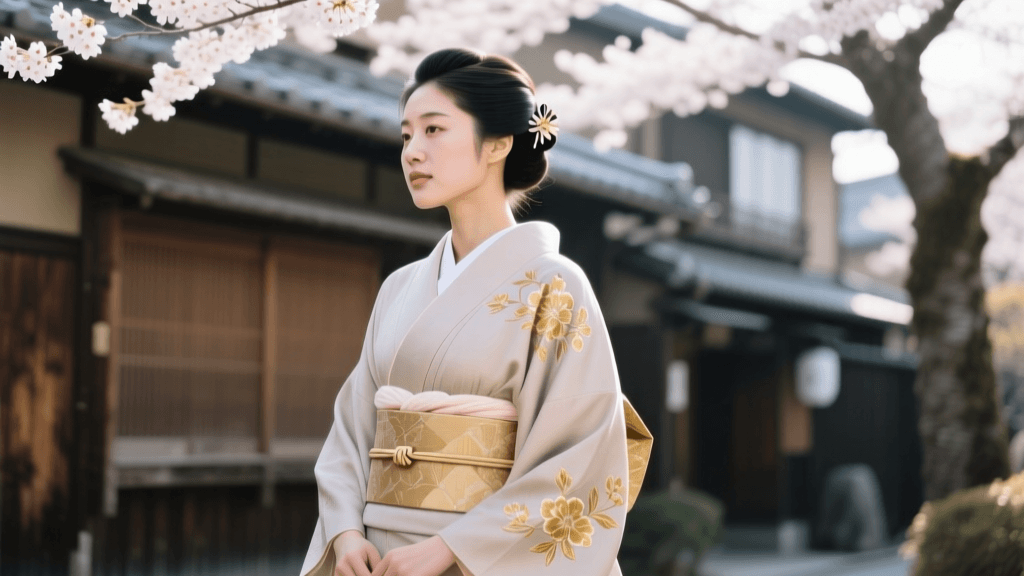
The kimono is far more than a simple garment; it is a wearable canvas that reflects Japanese history, seasonal awareness, and intricate social etiquette. As we navigate 2026, the traditional garment landscape in Japan is experiencing a vibrant renaissance. While Western fashion dominates daily life, the kimono remains an essential pillar of Japanese cultural identity, worn during pivotal life events, seasonal festivals, and tea ceremonies. According to the Metropolitan Museum of Art, the evolution of the kimono from the Heian period to the modern day showcases a remarkable continuity of form, even as textiles and styling adapt to contemporary sensibilities.
For enthusiasts, collectors, and travelers looking to engage with Japanese culture, understanding the strict hierarchy of kimono types is crucial. Wearing the wrong type of kimono to a specific event can be considered a faux pas, much like wearing a casual sundress to a formal black-tie wedding in the West. This comprehensive guide breaks down the essential types of Japanese kimono, their levels of formality, and how the market and styling trends have evolved in 2026.
The Hierarchy of Formality: A Quick Reference Guide
The Japanese kimono system is governed by rules of formality dictated by the wearer's marital status, the nature of the event, and the garment's design elements, such as the number of family crests (kamon) and the placement of patterns. Below is the definitive hierarchy of women's kimono types.
| Kimono Type | Formality Level | Target Wearer | Key Characteristics |
|---|---|---|---|
| Kurotomesode | Highest (Formal) | Married Women | Black base, 5 crests, pattern only below the obi. |
| Irotomesode | High (Formal) | Married/Unmarried | Colored base, 1 to 5 crests, pattern only below the obi. |
| Furisode | Highest (Formal) | Unmarried Women | Long, swinging sleeves (up to 114cm), vibrant full-body patterns. |
| Houmongi | Semi-Formal | All Women | Continuous "elegant visit" pattern that flows across seams. |
| Tsukesage | Semi-Formal | All Women | Patterns do not cross seams; more subdued than Houmongi. |
| Komon | Casual | All Women | Repeating small pattern covering the entire garment. |
| Yukata | Informal/Summer | All | Unlined, made of cotton or hemp, worn to summer festivals. |
Deep Dive into Key Garment Types
Kurotomesode and Irotomesode: The Pinnacle of Formality
The Kurotomesode (black tomesode) is the most formal kimono for married women. It is traditionally worn by the mothers of the bride and groom at weddings. The garment is entirely black, featuring five family crests, with an exquisite, continuous pattern that only appears on the lower half of the skirt. The Irotomesode follows the exact same rules regarding pattern placement and crests but features a colored base. In 2026, we are seeing a shift toward softer, pastel-colored Irotomesode for spring weddings, moving away from the heavier, darker hues of the past decade.
Furisode: The Unmarried Woman's Statement Piece
Translating to "swinging sleeves," the Furisode is the most formal kimono for young, unmarried women. It is instantly recognizable by its dramatically long sleeves, which can range from 85cm to an astonishing 114cm in length. The Furisode is the standard attire for Seijin no Hi (Coming of Age Day) held every January. During the 2026 Coming of Age ceremonies, a major trend emerged: pairing vintage, boldly patterned Showa-era Furisode with modern, minimalist obis and contemporary hair accessories, blending historical craftsmanship with Gen Z aesthetics.
Houmongi: The Versatile "Visiting Wear"
The Houmongi is a semi-formal kimono that translates to "visiting wear." It is incredibly versatile and can be worn by both married and unmarried women to events such as tea ceremonies, graduations, and elegant dinner parties. The defining feature of the Houmongi is its "eba" pattern—a design that is dyed as a single picture and flows continuously across the seams of the kimono when it is laid flat. The Victoria and Albert Museum highlights how this continuous pictorial style elevates the Houmongi above simpler garments, making it a true work of wearable art.
Komon and Yukata: Everyday Elegance and Summer Ease
For casual outings, the Komon is the go-to choice. Featuring a small, repeating pattern, it is perfect for dining out, attending casual classes, or strolling through the city. The Yukata, originally a bathrobe for the nobility, has evolved into the quintessential summer festival garment. Made of breathable cotton or hemp, it is unlined and worn with a simple, lightweight obi. In 2026, major Japanese department stores have introduced high-tech, moisture-wicking synthetic blends for Yukata, catering to the increasingly hot and humid Japanese summers while maintaining the traditional aesthetic.
The 2026 Kimono Market: Buying, Renting, and Sustainability
The landscape of acquiring a kimono has transformed significantly. While purchasing a brand-new, artisan-woven silk kimono remains a luxury investment—often starting at ¥300,000 (approximately $2,000 USD) and reaching well over ¥1,000,000 for master-dyed pieces—the secondary market is thriving. In 2026, vintage kimono shops in Tokyo's Shin-Okubo and Kyoto's Shijo districts report record foot traffic. A high-quality, vintage silk Houmongi can be purchased for as little as ¥15,000 to ¥40,000, making traditional silk accessible to a younger demographic.
Rental services have also modernized. For tourists and locals alike, renting a full kimono kit (including the garment, obi, undergarments, and footwear) for a day in Kyoto typically costs between ¥5,000 and ¥12,000. As of 2026, many premium rental boutiques utilize Augmented Reality (AR) smart mirrors, allowing customers to virtually try on dozens of Furisode and Houmongi combinations in seconds before a dresser physically prepares the selected garment.
Sustainability is another major theme in 2026. The traditional method of kimono construction utilizes a tanmono—a narrow bolt of fabric woven to exact dimensions. The kimono is cut in straight lines with virtually zero waste, and the panels can be entirely unstitched, washed, and re-sewn. This ancient zero-waste philosophy is being heavily celebrated by modern sustainable fashion advocates, positioning the kimono not just as a cultural artifact, but as a blueprint for eco-conscious garment construction.
Essential Accessories: Completing the Silhouette
A kimono is incomplete without its intricate accessories, which are just as bound by rules of formality as the garment itself.
- The Obi: The sash that secures the kimono. The highly formal Maru and Fukuro obis are heavily brocaded and woven with gold or silver threads, reserved for Furisode and Tomesode. The Nagoya obi, which is pre-folded and stitched at one end, is the standard for semi-formal and casual wear like the Houmongi and Komon.
- Obijime and Obiage: The decorative cord (obijime) and silk sash (obiage) that secure and accentuate the obi knot. In 2026, artisans are experimenting with braiding obijime using recycled metallic threads, adding a subtle modern sparkle to traditional ensembles.
- Footwear: Zori (flat, sandal-like shoes made of vinyl, leather, or brocade) are worn for formal occasions, always paired with white split-toe tabi socks. Geta (wooden clogs) are generally reserved for casual wear, particularly with Yukata. Modern 2026 tabi designs often feature ergonomic memory foam insoles, a welcomed update for those spending all day exploring temple grounds.
Care and Preservation in the Modern Era
Silk kimono require meticulous care. Traditionally, a kimono would undergo arai-hari, a process where the garment is completely unstitched, washed as flat panels of fabric, stretched on bamboo frames, and then re-sewn. While this practice is still available through master artisans, it is time-consuming and expensive.
Today, most wearers rely on maru-arai, a specialized dry-cleaning technique for whole garments. In 2026, the Japanese dry-cleaning industry has widely adopted eco-friendly, silicone-based solvents that clean delicate silk and metallic threads without the environmental and fabric-degrading impacts of older chemical processes. For long-term storage, kimono should be folded along their original creases, wrapped in acid-free tatou paper, and stored in a low-humidity environment to prevent mold and silk degradation.
Conclusion
Navigating the world of Japanese kimono types is a rewarding journey into a culture that deeply respects aesthetics, seasonality, and social harmony. Whether you are admiring the sweeping sleeves of a Furisode at a winter ceremony, or enjoying the breezy comfort of a cotton Yukata at a summer fireworks festival, understanding these garment types enriches the experience. For those planning to experience this firsthand, the Japan National Tourism Organization offers excellent resources on where to find authentic dressing experiences, ensuring that the legacy of the kimono continues to elegantly drape across generations.