Hanfu Fabric Drape & Comfort Analysis 2026: Top Textiles Reviewed
The Evolution of Hanfu Textiles in 2026
The resurgence of traditional Chinese clothing has transitioned from a niche historical interest to a dominant global sartorial movement. In 2026, the Xin Zhongshi (New Chinese Style) aesthetic continues to redefine modern wardrobes, blending ancient silhouettes with contemporary lifestyle demands. At the core of this evolution is a rigorous understanding of fabric texture, drape, and comfort. For enthusiasts and designers alike, selecting the right textile is no longer just about visual accuracy; it is about how the garment moves, breathes, and feels against the skin throughout the day. This comprehensive Hanfu fabric drape and comfort analysis for 2026 explores the physical properties of the most sought-after textiles, helping you make informed decisions for your traditional wardrobe.
Understanding the Physics of Fabric Drape
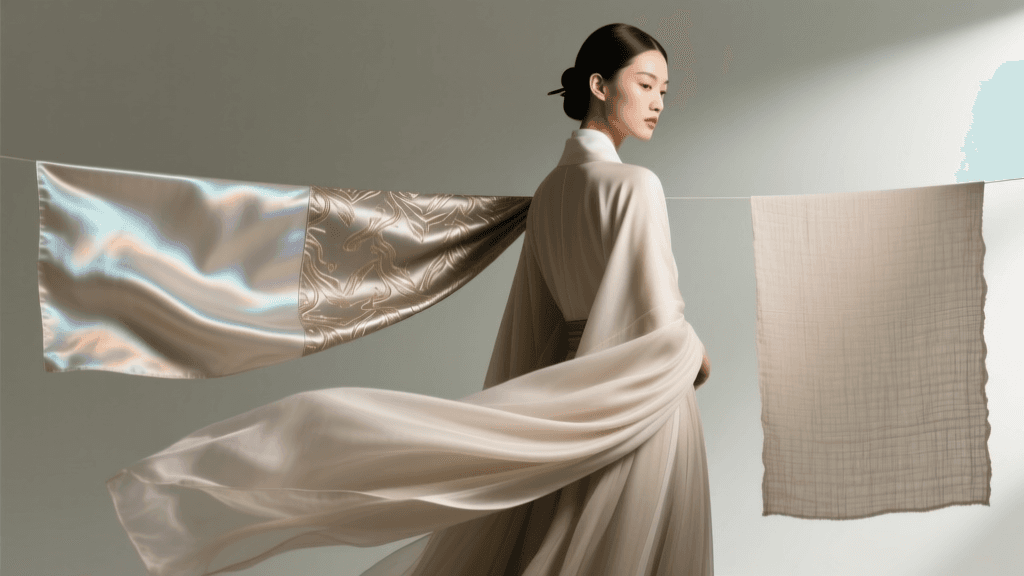
Drape is defined as the ability of a fabric to hang in graceful, fluid folds under its own weight. In the context of Hanfu, drape is the defining characteristic that separates a stiff, unnatural costume from an elegant, historically resonant garment. The drape coefficient is influenced by the fabric's weight, stiffness, and the friction between its yarns. For flowing garments like the Da Xiu Shan (large sleeve shirt) or the Qixiong Ruqun (chest-high skirt), a high drape coefficient is essential to achieve the iconic, ethereal silhouette. Conversely, structured garments like the Ming Dynasty Mamianqun (horse-face skirt) require a moderate drape with higher stiffness to maintain sharp, architectural pleats. According to historical textile research preserved by institutions like The Metropolitan Museum of Art, ancient Chinese weavers mastered the manipulation of silk warp and weft to achieve specific structural properties long before modern drape testing was formalized.
Top Hanfu Fabrics Analyzed for Drape and Comfort
Xiangyunsha: The Pinnacle of Cooling Drape
Xiangyunsha, also known as Gambiered Canton Gauze, remains the most coveted luxury textile in the 2026 Hanfu market. Recognized for its complex, eco-friendly dyeing process, this fabric is a marvel of natural engineering. The silk is repeatedly dyed in the juice of the Dioscorea cirrhosa tuber, coated with tannin-rich river mud, and baked in the sun. This creates a dual-texture fabric: one side is a matte, earthy brown, while the other is a glossy, deep black.
From a comfort perspective, Xiangyunsha is unparalleled in hot and humid climates. It possesses natural antibacterial properties and a distinct cooling sensation against the skin. Its drape is heavy and liquid, clinging elegantly to the body's contours without restricting movement. Because of its unique finish, it is slightly stiff when new but softens beautifully with wear, developing a rich patina. The traditional techniques used to create this masterpiece are so vital to cultural heritage that they are officially protected, as documented by the UNESCO Intangible Cultural Heritage registry.
Raw Silk and Crepe de Chine: Everyday Elegance
For daily wear and versatile layering, raw silk and Crepe de Chine are the undisputed champions of the 2026 Xin Zhongshi wardrobe. Raw silk retains the natural sericin of the silkworm, giving it a slightly nubby, matte texture that diffuses light beautifully. It offers a moderate drape that is less slippery than satin, making it easier to tailor and manage.
Crepe de Chine, woven with highly twisted yarns, features a subtle pebbled texture and a fluid, bouncy drape. It is lightweight, highly breathable, and resists wrinkling far better than flat-weave silks. This makes it the ideal choice for travel-friendly Hanfu and modern office-appropriate New Chinese Style blouses. The comfort level is exceptionally high, offering excellent temperature regulation and a soft hand-feel that improves with every wash.
Linen-Cotton Blends: The Structured Comfort Revolution
While silk dominates the luxury segment, 2026 has seen a massive surge in high-quality linen-cotton and linen-ramie blends. Historically, commoners wore ramie and hemp, which were durable but notoriously stiff and scratchy. Modern textile engineering has solved this by blending long-staple linen with combed cotton and utilizing enzymatic washing techniques.
These blends offer a structured, crisp drape that is perfect for Song Dynasty-inspired Beizi (open-front jackets) and Ming Dynasty Aoqun (jacket and skirt sets). The breathability of linen combined with the softness of cotton creates a highly comfortable, moisture-wicking fabric that excels in transitional weather. Furthermore, the natural slub texture of linen adds an organic, wabi-sabi aesthetic that is highly prized in contemporary minimalist Hanfu designs.
Song Brocade: Heavy Drape for Formal Occasions
When the occasion calls for opulence, Song Brocade (Songjin) is the textile of choice. Characterized by its flat weaving technique and intricate, often geometric patterns, Song Brocade is heavier and stiffer than other silks. Its drape is deliberate and architectural, making it unsuitable for flowing, ethereal garments but absolutely perfect for structured outerwear, formal vests, and ceremonial collars.
In 2026, modernized Song Brocade incorporates subtle metallic threads and softer backing weaves, increasing comfort against the skin while maintaining its regal exterior. Due to its weight and low breathability, it is best reserved for autumn and winter Hanfu ensembles or climate-controlled formal events.
2026 Hanfu Fabric Comparison Chart
To help you select the perfect textile for your next garment, we have compiled a comprehensive comparison chart based on current textile testing standards and wearer feedback.
| Fabric Type | Drape Rating (1-10) | Breathability | Weight (g/m²) | Best Use Case |
|---|---|---|---|---|
| Xiangyunsha | 9 (Fluid/Heavy) | Excellent | 75 - 90 | Summer robes, luxury daily wear |
| Crepe de Chine | 8 (Bouncy/Light) | Very Good | 45 - 60 | Ruqun, travel garments, blouses |
| Raw Silk | 6 (Moderate) | Good | 60 - 80 | Layering, transitional jackets |
| Linen-Cotton Blend | 5 (Structured/Crisp) | Excellent | 120 - 150 | Mamianqun, Song Beizi, daily wear |
| Song Brocade | 3 (Stiff/Architectural) | Low | 180 - 220 | Formal vests, winter outerwear |
Practical Tips for Selecting and Caring for Hanfu Fabrics
Choosing the right fabric is only the first step; proper care ensures the longevity of the drape and texture. Follow these actionable guidelines to maintain your garments:
- Match the Drape to the Silhouette: Never use a high-drape, slippery fabric like charmeuse for a Mamianqun. The pleats will fall out, and the skirt will lose its shape. Stick to crepe, brocade, or structured linen blends for pleated garments.
- Seasonal Breathability: Reserve Xiangyunsha and raw silk for the sweltering summer months. Transition to heavier Crepe de Chine and linen blends in the spring and autumn, and save Song Brocade for winter.
- Washing and Maintenance: Xiangyunsha should never be machine washed or scrubbed; simply rinse it in cool water and hang it in the shade. The tannin-mud coating can be damaged by harsh alkaline detergents. For linen-cotton blends, a gentle machine wash followed by air drying will maintain the crisp texture while softening the fibers.
- Storage Considerations: Heavy drape fabrics like Song Brocade and Xiangyunsha should be folded flat or rolled to prevent the weight of the fabric from stretching the shoulders and seams over time. Lighter silks can be hung on padded, wide-shoulder hangers.
Conclusion
The intersection of historical reverence and modern comfort defines the 2026 Hanfu movement. By understanding the nuanced drape coefficients, textural properties, and breathability of fabrics like Xiangyunsha, Crepe de Chine, and modern linen blends, wearers can curate a traditional wardrobe that is as comfortable as it is visually stunning. Whether you are attending a formal tea ceremony or navigating a busy urban commute in Xin Zhongshi attire, the right fabric choice ensures that your garments move with you, honoring the rich legacy of Asian textile traditions in the modern era.