Japanese Kimono Types and Dressing Etiquette Guide 2026
The Enduring Legacy of the Kimono in 2026
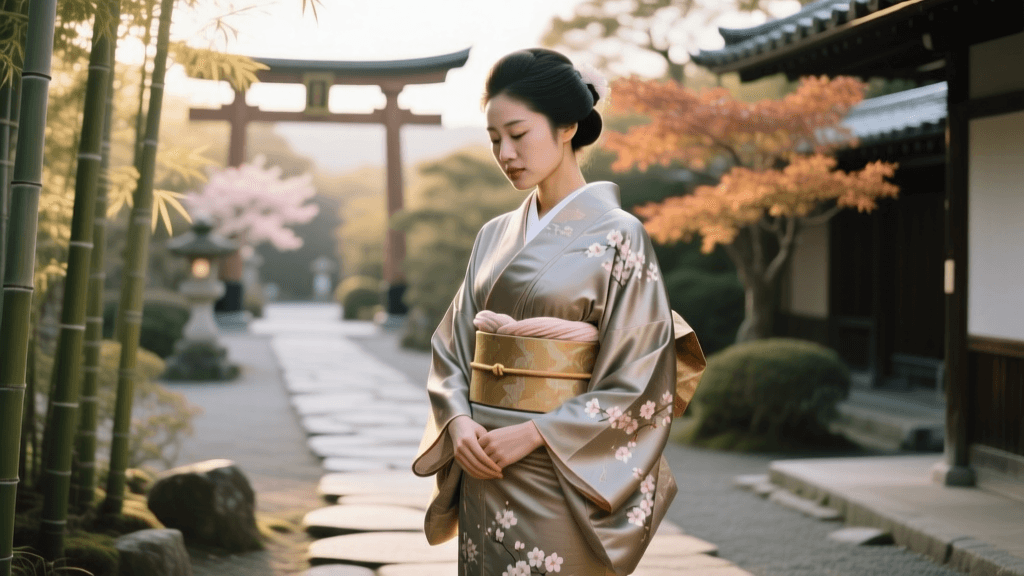
The kimono is not merely a relic of Japan’s past; in 2026, it represents a dynamic intersection of heritage craftsmanship and contemporary sustainable fashion. As global interest in slow fashion and cultural preservation peaks, the traditional Japanese garment has seen a massive resurgence both domestically and internationally. Modern wearers are blending antique textiles with contemporary accessories, while the industry embraces washable silks and upcycled vintage markets. Whether you are attending a formal tea ceremony, a summer festival, or navigating the modern streets of Tokyo, understanding the intricate hierarchy of Japanese garment types is essential. This comprehensive guide explores the definitive kimono types, menswear traditions, and the evolving rules of kitsuke (dressing) for the modern era.
The Hierarchy of Formality: Women’s Kimono Types
The foundation of kimono etiquette relies on a strict hierarchy of formality, determined by the garment's color, pattern placement, fabric, and the presence of family crests (kamon). According to the Metropolitan Museum of Art, the evolution of these garments reflects centuries of shifting social structures and sumptuary laws, which still influence modern dress codes today.
Kurotomesode and Irotomesode (The Pinnacle of Formality)
The Kurotomesode is the most formal kimono for married women. It is entirely black, features five family crests, and displays intricate, auspicious patterns exclusively below the waistline (the eba-moyo technique). It is traditionally worn by the mothers of the bride and groom at weddings. The Irotomesode follows the same pattern rules but is dyed in colors other than black, making it suitable for unmarried female relatives at formal celebrations.
Furisode (Unmarried Women's Formal Wear)
Instantly recognizable by its dramatically long, swinging sleeves (ranging from 85cm to 114cm), the Furisode is the highest level of formal wear for young, unmarried women. In 2026, vibrant Furisode remain the centerpiece of Seijin no Hi (Coming of Age Day) and are frequently rented for university graduations. The continuous patterns across the seams signify youth, vitality, and celebration.
Homongi and Tsukesage (Versatile Semi-Formal)
Homongi (visiting wear) is characterized by patterns that flow seamlessly across the seams of the shoulders, sleeves, and hem. It is highly versatile and can be worn by both married and unmarried women to tea ceremonies, gallery openings, and upscale dinners. Tsukesage is slightly less formal; its patterns are applied to individual panels before dyeing, meaning they do not cross the seams. It is an excellent choice for semi-formal parties and cultural events.
Komon and Yukata (Everyday and Casual)
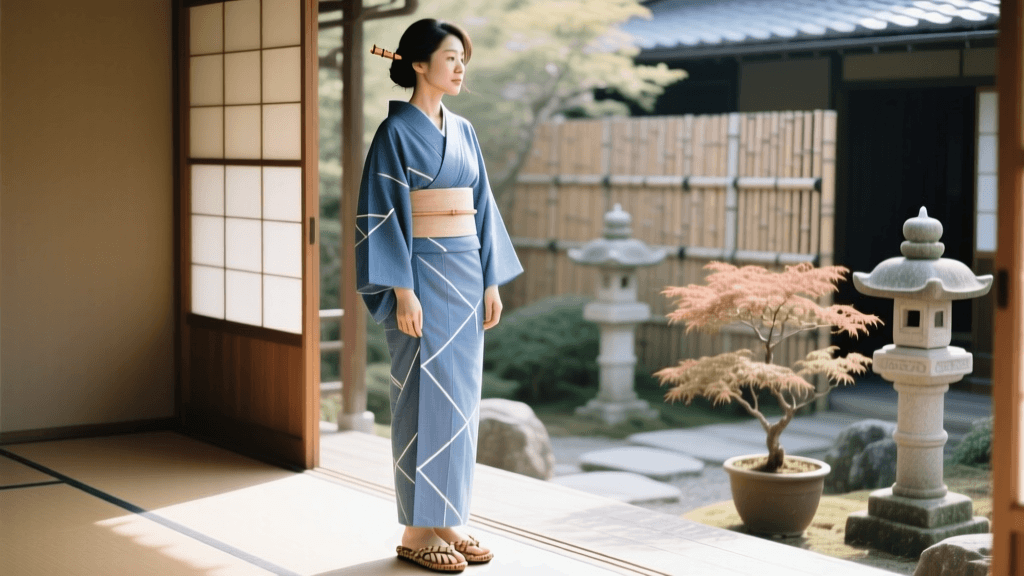
Komon features small, repeating patterns across the entire garment. It is considered casual or everyday wear, perfect for dining out, casual strolls, or beginner kitsuke classes. The Yukata is the ultimate casual summer garment. Made from unlined cotton or modern breathable hemp-blends, it is worn without the complex undergarments required for silk kimono, making it the staple of summer matsuri (festivals) and onsen (hot spring) resorts.
Menswear: Montsuki, Hakama, and Modern Styling
While women’s kimono offer a vast spectrum of colors and patterns, traditional Japanese menswear prioritizes subtlety, texture, and structural elegance. The most formal ensemble for men is the Montsuki Haori Hakama. This consists of a plain black silk kimono bearing five white family crests, paired with a stiff, pleated hakama (divided skirt) and a haori (jacket). It is the standard attire for grooms and formal award ceremonies.
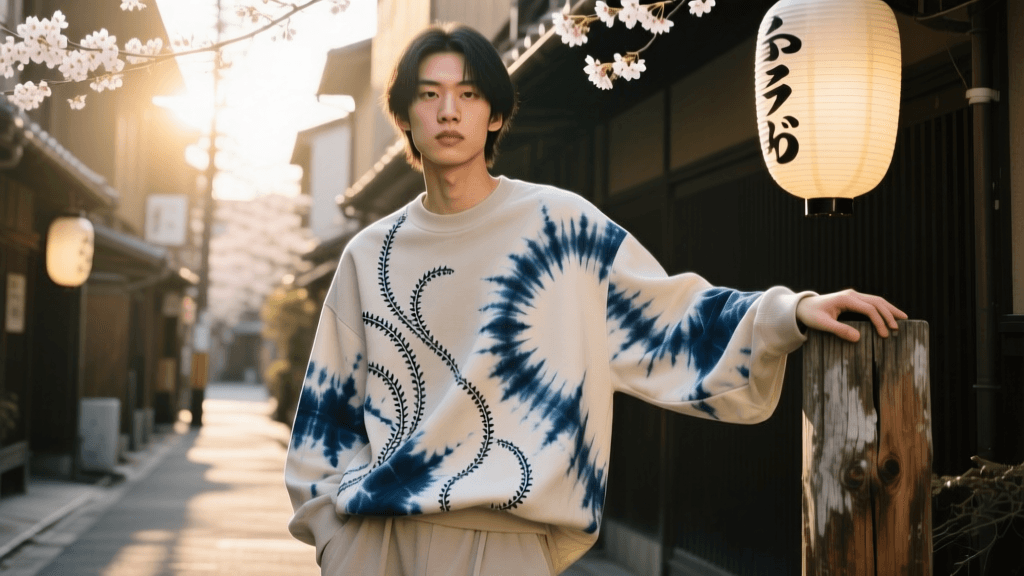
For semi-formal and casual occasions, men often wear Omeishiki (a durable, slubbed silk) or Tsumugi (pongee silk). In 2026, there is a growing trend among younger Japanese men pairing vintage Tsumugi kimono with modern leather footwear and minimalist wool haori, bridging the gap between Edo-period aesthetics and contemporary streetwear.
2026 Market Trends: Sustainability and Pricing
The kimono market in 2026 is heavily influenced by sustainability and a shortage of master artisans in traditional weaving hubs like Nishijin. Consequently, the Victoria and Albert Museum notes that the appreciation for historical textile preservation has driven up the value of well-maintained vintage pieces. Meanwhile, entry-level buyers are flocking to high-quality recycled polyester and washable silk (sentaku-kinu) options.
| Garment Category | 2026 Rental (USD) | Vintage / Recycle Market (USD) | New Artisan / Bespoke (USD) |
|---|---|---|---|
| Yukata (Cotton) | $30 - $50 | $40 - $120 | $250 - $600 |
| Komon (Everyday Silk/Poly) | $60 - $90 | $80 - $300 | $800 - $2,500 |
| Homongi (Semi-Formal) | $120 - $200 | $200 - $800 | $3,000 - $8,000+ |
| Furisode (Formal Unmarried) | $150 - $350 | $300 - $1,200 | $5,000 - $15,000+ |
| Kurotomesode (Black Formal) | $150 - $250 | $250 - $900 | $6,000 - $20,000+ |
Kitsuke (Dressing) and Essential Accessories
The art of dressing in a kimono, known as kitsuke, requires a specific set of undergarments and accessories to achieve the traditional cylindrical silhouette. In 2026, modern kitsuke has been revolutionized by ergonomic tools. While traditionalists still use silk datejime (tying sashes) and intricate knots, many modern practitioners and rental shops utilize silicone obi-ita (boards that keep the sash smooth) and velcro-fastened koshi-himo (waist ties) to reduce dressing time from an hour to under twenty minutes.
The Obi: The Focal Point of the Ensemble
The obi is the wide sash that secures the kimono, and its formality must match the garment. The Maru obi and Fukuro obi are heavily brocaded, formal sashes worn with Furisode and Tomesode, often tied in elaborate, sculptural knots like the Otaiko or Tateya. The Nagoya obi, pre-folded and stitched at one end, is the standard for Homongi and Komon. For Yukata, the narrow Hanhaba obi is used, allowing for playful, reversible knots.
Footwear: Tabi, Zori, and Geta
No kimono ensemble is complete without proper footwear. Tabi are the traditional split-toe socks, typically white for formal wear and patterned or colored for casual outfits. Zori are flat, formal sandals made of vinyl, leather, or brocade, worn with semi-formal and formal kimono. Geta are elevated wooden sandals that produce a distinctive clicking sound, traditionally paired with Yukata and casual Komon to keep the hem clean from wet streets.
Care and Maintenance in the Modern Era
Preserving silk kimono requires meticulous care. Traditional garments must be professionally dry-cleaned (maruhiki) and aired out in the shade after wearing. They are then folded along their original seam lines and wrapped in specialized acid-free paper called tatou-shi to prevent moisture buildup and dye transfer. However, the 2026 market has introduced a wave of "wash-and-wear" kimono made from high-grade, heat-resistant polyester that mimics the drape and luster of chirimen (crepe silk). These modern textiles can be hand-washed and hung to dry, making kimono ownership accessible to a new generation of global enthusiasts who may lack the space or climate control required for antique silk preservation.
Conclusion
Navigating the world of Japanese traditional garments in 2026 is a rewarding journey through history, artistry, and modern innovation. Whether you are investing in a vintage Homongi, renting a vibrant Furisode for a milestone celebration, or simply donning a cotton Yukata for a summer evening, understanding the rules of formality and dressing ensures you honor the deep cultural roots of the garment. As the global community continues to embrace sustainable and meaningful fashion, the kimono stands as a timeless testament to the beauty of Japanese heritage.