Japanese Kimono Types: 2026 Formality & Fabric Guide
The Enduring Legacy of the Kimono in 2026
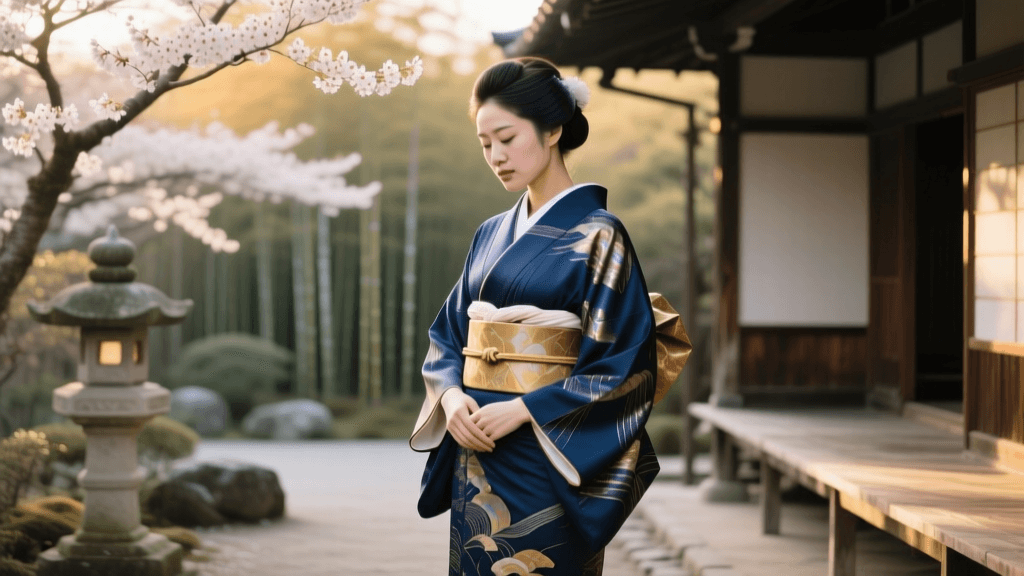
The Japanese kimono is far more than a simple T-shaped garment; it is a profound sartorial language that communicates age, marital status, seasonality, and social occasion through its intricate folds, patterns, and textiles. As we navigate the fashion landscape of 2026, the kimono continues to experience a vibrant renaissance. While the core rules of formality remain deeply rooted in centuries of tradition, modern wearers, textile artisans, and global fashion enthusiasts are finding innovative ways to integrate these garments into contemporary life. Whether you are attending a formal tea ceremony in Kyoto, participating in a summer festival in Tokyo, or curating a heritage textile collection, understanding the hierarchy of Japanese kimono types is essential.
According to the Metropolitan Museum of Art's Heilbrunn Timeline of Art History, the kimono evolved from the kosode of the Edo period into the highly structured, standardized garment we recognize today. In 2026, this standardization provides a reliable framework for dressers, even as sustainable fabric innovations and modern styling techniques push the boundaries of how these garments are worn.
The Hierarchy of Japanese Kimono Types
The formality of a kimono is determined by several factors: the presence and number of family crests (kamon), the length of the sleeves, the type of silk used, and the placement of dyed or woven patterns. Misunderstanding these nuances can lead to sartorial faux pas at formal events. Below is a comprehensive breakdown of the primary kimono categories.
Formal Wear: The Pinnacle of Tradition
For married women, the Kurotomesode (black crested kimono) represents the highest level of formality. It features a solid black background with patterns exclusively below the waist and bears five family crests. It is strictly reserved for weddings and the most auspicious ceremonies. Unmarried women wear the Furisode, instantly recognizable by its dramatically long, swinging sleeves that can reach up to 114 centimeters. The Furisode is a staple of the Seijin no Hi (Coming of Age Day) celebrations held every January.
Semi-Formal and Visiting Wear
The Homongi (visiting wear) is a versatile semi-formal option for both married and unmarried women. Its defining feature is the eba-moyo technique, where patterns are dyed across the seams so that they flow continuously like a single painting when the kimono is laid flat. The Tsukesage is slightly less formal, with patterns that do not cross the seams and are generally confined to the lower half of the garment and the upper left sleeve.
Casual and Everyday Wear
The Komon is the quintessential casual silk kimono, characterized by a repeating pattern that covers the entire garment, often dyed using intricate stencils (katagami). It is perfect for casual dining, theater visits, or casual classes. For the height of summer, the Yukata takes precedence. Made from lightweight cotton or modern breathable hemp-blends, the yukata is unlined and worn to fireworks festivals (hanabi) and hot spring resorts.
| Kimono Type | Formality Level | Sleeve Length | Crests (Kamon) | Best Occasions |
|---|---|---|---|---|
| Kurotomesode | Highest (Married) | Short | 5 | Weddings (close relatives) |
| Furisode | Highest (Unmarried) | Very Long | 0 to 3 | Coming of Age, formal parties |
| Irotomesode | High | Short | 1 to 5 | Weddings (guests, relatives) |
| Homongi | Semi-Formal | Short | 1 to 3 | Tea ceremonies, banquets |
| Tsukesage | Semi-Formal | Short | 0 to 1 | Graduations, upscale dining |
| Komon | Casual | Short | 0 | Everyday outings, casual events |
| Yukata | Informal / Summer | Short | 0 | Summer festivals, ryokans |
Fabric Innovations and Traditional Textiles
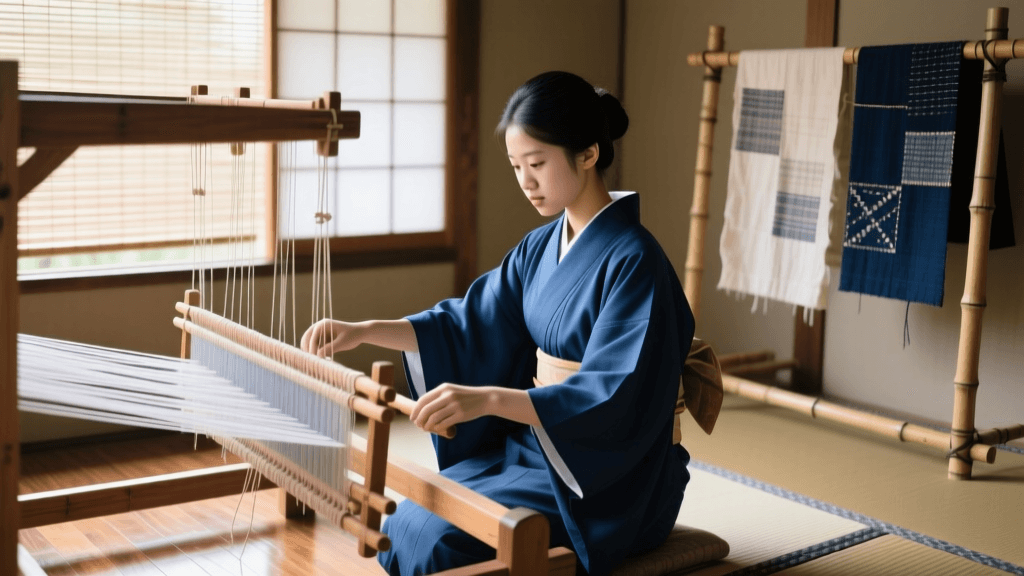
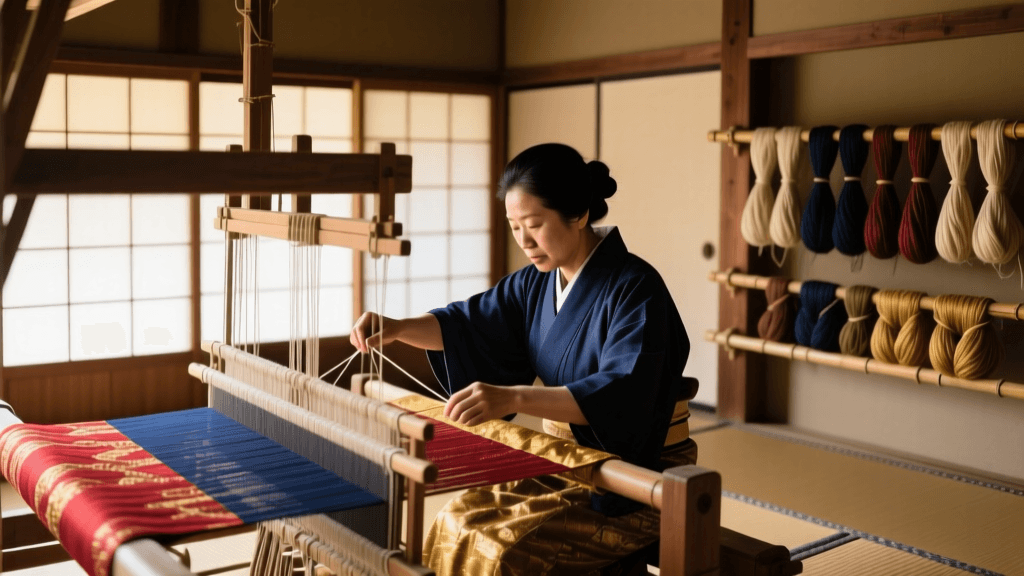
The soul of the kimono lies in its textile. In 2026, the intersection of heritage craftsmanship and sustainable fashion has led to a fascinating evolution in kimono fabrics. The Japanese Ministry of Economy, Trade and Industry (METI) continues to strictly designate and protect Traditional Craft Products, ensuring that centuries-old weaving and dyeing techniques survive in the modern market.
Heritage Silks: Chirimen and Tsumugi
Tango Chirimen is a highly prized silk crepe known for its pebbled texture and excellent drape, making it the gold standard for dyeing vibrant Yuzen patterns. On the other end of the spectrum is Tsumugi, a rustic, slubbed silk woven from spun silk threads rather than reeled filaments. The creation of Yuki-tsumugi, a highly complex hand-spun silk weaving technique, is so culturally significant that it is recognized on the UNESCO Representative List of the Intangible Cultural Heritage of Humanity. Despite its humble origins as a peasant fabric, authentic Yuki-tsumugi is now one of the most expensive and sought-after textiles in Japan.
The 2026 Sustainable Shift
As climate consciousness shapes the 2026 fashion industry, kimono artisans are increasingly experimenting with sustainable alternatives. Washable silk blends, recycled polyester threads that mimic the luster of habotai, and ethically sourced ramie are becoming popular for everyday Komon and Yukata. These modern textiles allow wearers to enjoy the aesthetic of traditional garments without the exorbitant dry-cleaning costs and environmental footprint associated with heavy silk maintenance.
Essential Accessories: Completing the Silhouette
A kimono is never worn alone; it is the canvas for a complex arrangement of accessories that dictate the outfit's final formality and seasonal appropriateness.
- Obi (Sash): The most expensive and visually dominant accessory. The Fukuro obi is the standard for formal wear, featuring intricate brocade or gold-leaf weaving. The Nagoya obi, pre-folded and stitched for ease of tying, is the go-to for semi-formal and casual wear.
- Obijime and Obiage: The obijime is a decorative braided cord tied over the obi to secure the knot, while the obiage is a silk scarf tucked above the obi to hide the padding. In 2026, we are seeing a surge in obijime crafted from upcycled kimono silk and adorned with modern glass beads.
- Tabi and Zori: Tabi are the traditional split-toe socks, always white for formal occasions. Zori are flat, slip-on sandals made of brocade, vinyl, or woven rush grass. For casual yukata wear, elevated wooden geta are preferred.
- Haneri (Collar): A detachable collar sewn onto the under-kimono (nagajuban). While white is mandatory for strict formal wear, modern fashionistas are embracing embroidered, lace, and even metallic haneri to add a personalized touch to semi-formal ensembles.
Modern Styling and the 2026 Rental Renaissance
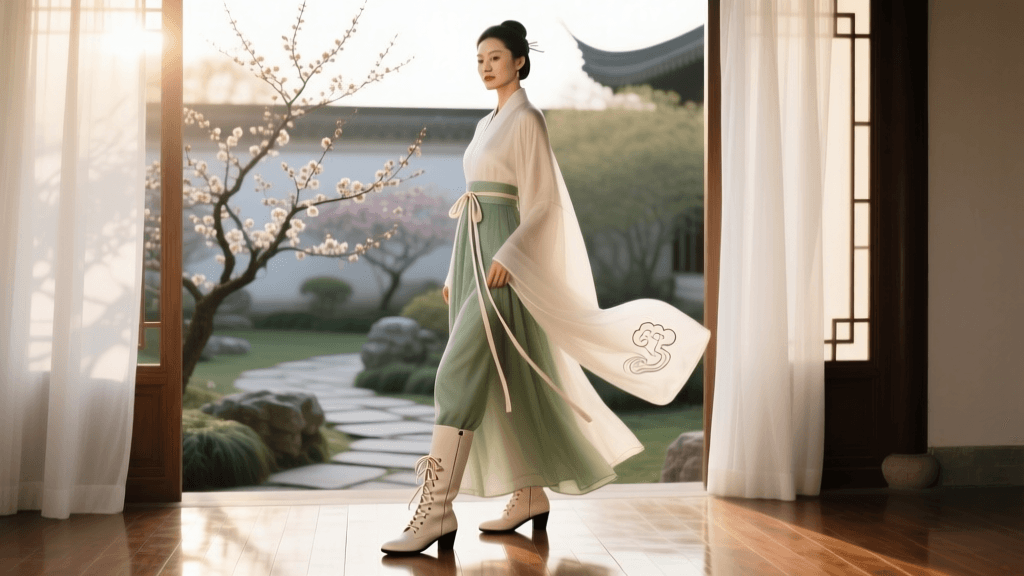
The way the kimono is styled in 2026 reflects a generation that respects tradition but refuses to be constrained by it. In urban centers like Harajuku and Shimokitazawa, young dressers are pioneering "Wa-Modern" styling. This involves pairing vintage silk kimono with Western footwear, such as leather ankle boots or chunky sneakers, and utilizing denim or leather obi belts instead of traditional silk.
"The kimono is not a museum piece; it is a living garment. In 2026, true respect for the tradition means wearing it with personal joy and contemporary relevance, rather than treating it as a fragile relic."
— Contemporary Kimono Stylist, Tokyo
Furthermore, the kimono rental market has exploded, driven by eco-conscious consumers and tourists. High-end rental boutiques in Kyoto and Kanazawa now offer curated, seasonally accurate wardrobes complete with professional dressing services (kitsuke). This circular fashion model allows individuals to wear a $5,000 Homongi for a single evening at a fraction of the cost, promoting sustainability and accessibility.
Care, Maintenance, and Storage
Proper care is vital to preserving the structural integrity and vibrant colors of silk kimono. Unlike Western clothing, kimono are rarely washed. Instead, they rely on a meticulous airing process known as mushiboshi. Twice a year, ideally during the dry, crisp days of late autumn or early spring, kimono are removed from their storage, unfolded, and hung on specialized bamboo racks to air out and release trapped moisture.
For long-term storage, garments are folded along their straight seam lines using a precise method called hon-datami. They are then wrapped in acid-free tatou paper to prevent yellowing and placed inside a kiribako—a traditional chest made of paulownia wood. Paulownia is naturally resistant to moisture, insects, and fire, making it the ultimate archival storage solution for heritage textiles. If a kimono becomes stained, it is never spot-cleaned at home; it must be sent to a specialized artisan who will entirely unpick the garment, wash the individual fabric panels, and re-sew them—a costly but essential process known as arai-hari.
Conclusion
Navigating the world of Japanese traditional garments in 2026 requires a balance of historical knowledge and modern sensibility. By understanding the strict hierarchy of formality, appreciating the profound craftsmanship of heritage textiles like Yuki-tsumugi, and embracing sustainable, contemporary styling methods, anyone can wear the kimono with confidence and deep cultural respect. Whether you are investing in a vintage Furisode or renting a breathable cotton Yukata for a summer evening, the kimono remains a timeless testament to the artistry of Asian sartorial traditions.