Best Japanese Kimono Apprenticeship & Textile Schools 2026
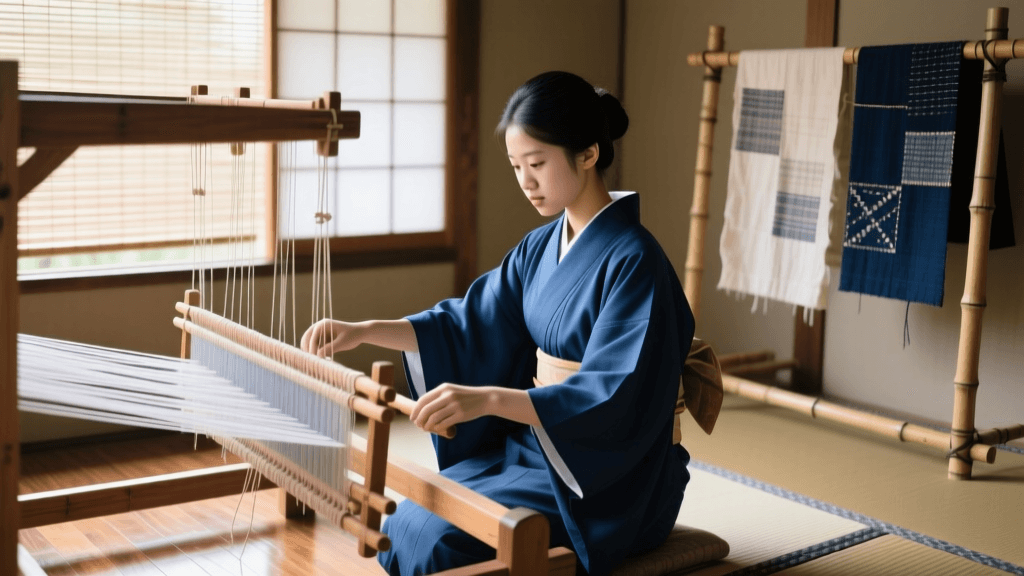
The Renaissance of Traditional Japanese Garment Education in 2026
As we navigate through 2026, the global fashion landscape is witnessing a profound paradigm shift toward sustainability, artisan craftsmanship, and cultural preservation. At the epicenter of this movement is the traditional Japanese garment industry. From the intricate silk-weaving techniques of Nishijin-ori to the meticulous hand-painting of Kaga Yuzen, the demand for master artisans (shokunin) has surged. However, the aging demographic of Japan's master weavers and dyers has created an urgent need for a new generation of dedicated practitioners. For international and domestic students alike, understanding the educational pathways—ranging from formal vocational schools to the ancient deshi (apprenticeship) system—is critical for anyone looking to master traditional Japanese fashion arts this year.
Top Vocational Schools for Kimono and Textile Arts
Formal education provides a structured environment where students can learn both the historical context and the technical execution of Japanese garment creation. In 2026, several prestigious institutions have updated their curricula to blend ancient methodologies with modern ergonomic and sustainable practices.
Kyoto University of the Arts (Department of Traditional Crafts)
Located in the cultural heart of Japan, the Kyoto University of the Arts remains the premier destination for immersive traditional craft education. Their 2026 curriculum places a heavy emphasis on Yuzen dyeing and Shibori textile manipulation. Students spend their first year mastering the chemistry of natural dyes, including indigo (ai) and madder root, before specializing in garment application. The university's partnerships with local Kyoto weaving cooperatives guarantee that third-year students participate in live studio residencies, bridging the gap between academic theory and commercial artisan production.
Bunka Fashion College (Kimono & Traditional Apparel Track)
While globally renowned for avant-garde contemporary fashion, Bunka Fashion College in Tokyo offers a highly specialized Kimono and Traditional Apparel track. This program is uniquely tailored for students who wish to innovate within the traditional space. In 2026, Bunka introduced a module on 3D digital archiving of antique kimono patterns, allowing students to study the structural geometry of historical garments before cutting into expensive silk. The program covers the complex art of kimono pattern drafting (wasai), ensuring graduates understand the precise, zero-waste cutting techniques that define traditional Japanese tailoring.
Kyoto College of Traditional Arts (Kyoto Dentou Geijutsu Daigaku)
For those specifically interested in the structural creation of textiles rather than surface design, this college is the gateway to Nishijin weaving. Students learn to operate both traditional hand-looms and modern Jacquard looms, mastering the creation of obi (kimono sashes) and luxury fabrics. The 2026 intake focuses heavily on the integration of sustainable silk alternatives and the preservation of ji-gumo (ground weave) techniques that are at risk of fading from collective memory.
The Apprenticeship Model: The Deshi System Today
While universities offer broad theoretical knowledge, the true mastery of Japanese garment arts is traditionally achieved through the deshi (disciple) system. Recognizing the vital importance of this transmission of knowledge, the Agency for Cultural Affairs, Government of Japan continues to support initiatives that pair young artisans with designated Living National Treasures and master craftsmen.
The Kanazawa Kaga Yuzen Path
In Kanazawa, the Kaga Yuzen apprenticeship is a rigorous, multi-year commitment. Unlike the bold, graphic styles of Kyoto Yuzen, Kaga Yuzen is celebrated for its hyper-realistic, nature-inspired motifs and subtle color gradients (bokashi). An apprenticeship here in 2026 typically begins with menial tasks—washing brushes, preparing rice paste resist (itome-nori), and maintaining the humidity-controlled studio. Only after a year of observation and foundational labor does the deshi begin to practice brushwork. This path requires immense patience, but it is the only way to achieve the fluid, painterly mastery required for high-end Kaga kimono.
Nishijin Weaving Guilds
In Kyoto's Nishijin district, apprenticeships are often managed by multi-generational weaving guilds. A 2026 apprentice in a Nishijin studio will spend thousands of hours learning the preparation of the warp threads, a process that dictates the tension, sheen, and durability of the final brocade. Masters are currently seeking international apprentices who bring fresh design perspectives while respecting the grueling physical demands of the traditional loom. Stipends for these positions have increased in 2026, reflecting the industry's aggressive push to attract younger talent to the weaving benches.
Comparison: Formal Education vs. Traditional Apprenticeship
Choosing between a university degree and a master apprenticeship depends heavily on your career goals, language proficiency, and financial situation. Below is a comprehensive comparison of the two primary pathways for 2026.
| Feature | Vocational School / University | Traditional Apprenticeship (Deshi) |
|---|---|---|
| Duration | 2 to 4 Years | 3 to 7 Years |
| 2026 Financial Cost | ¥1,200,000 - ¥1,800,000 / year (Tuition) | Free + ¥150,000 - ¥180,000 monthly stipend |
| Primary Focus | Broad textile arts, design theory, business | Hyper-specialized mastery of one technique |
| Visa Pathway | Student Visa | Cultural Activities or Designated Activities Visa |
| Language Requirement | JLPT N2 (Minimum) | JLPT N1 or Native Fluency |
| Networking | Alumni networks, corporate fashion brands | Deep integration into local artisan guilds |
Practical Guide: How to Apply and Prepare for 2026 Intakes
Securing a spot in either a prestigious school or a master's studio requires meticulous preparation. The Japanese traditional arts community values dedication, humility, and a profound respect for the craft above raw, unrefined talent.
Language and Cultural Proficiency
Fluency in Japanese is non-negotiable for serious garment artisans. Traditional terminology for weaving, dyeing, and tailoring is highly specialized and rarely translated into English. For university applications, a JLPT N2 certificate is the baseline, but N1 is strongly recommended. For apprenticeships, masters expect you to understand nuanced, polite Japanese (keigo), as the studio environment is strictly hierarchical. Prospective students should spend at least one to two years at a Japanese language school in Kyoto or Kanazawa to acclimate to the local dialect and cultural rhythms before applying.
Portfolio Preparation
Your portfolio should not merely showcase contemporary fashion sketches. In 2026, admissions committees and masters are looking for evidence of material sensitivity. Include high-resolution documentation of your hand-stitching, natural dyeing experiments, and structural fabrications. A detailed sketchbook that demonstrates your understanding of the kimono's flat-pattern geometry and the seasonal motifs (kisetsukan) of Japanese design will set you apart from generic fashion applicants.
Navigating Visas and Funding
International students must navigate Japan's immigration framework carefully. University students will apply for a standard Student Visa, often supported by MEXT (Ministry of Education) scholarships. For detailed visa and scholarship guidelines, applicants should consult the official resources provided by MEXT. Conversely, those entering an apprenticeship will likely need a 'Cultural Activities' visa or a 'Designated Activities' visa if they are being paid a stipend by a recognized traditional guild. Securing a sponsoring master who is willing to handle the immigration paperwork is often the most challenging hurdle, making networking at events like the Kyoto Craft Exhibition vital.
Preserving the Future: Sustainability and Innovation
The study of traditional Japanese garments in 2026 is not merely an exercise in historical reenactment; it is a vital component of the future of sustainable fashion. The kimono is inherently zero-waste, constructed from straight bolts of fabric (tanmono) that can be entirely disassembled, cleaned, and rewoven. By mastering these traditional techniques, today's students and apprentices are equipping themselves with the blueprints for a circular fashion economy. Whether you choose the structured halls of a Kyoto university or the quiet, rhythmic clatter of a Nishijin loom in a master's studio, the path of the Japanese garment artisan remains one of the most rewarding and culturally significant educational journeys in the world today.