Kimono Travel Packing Guide 2026: Transport & Care Tips
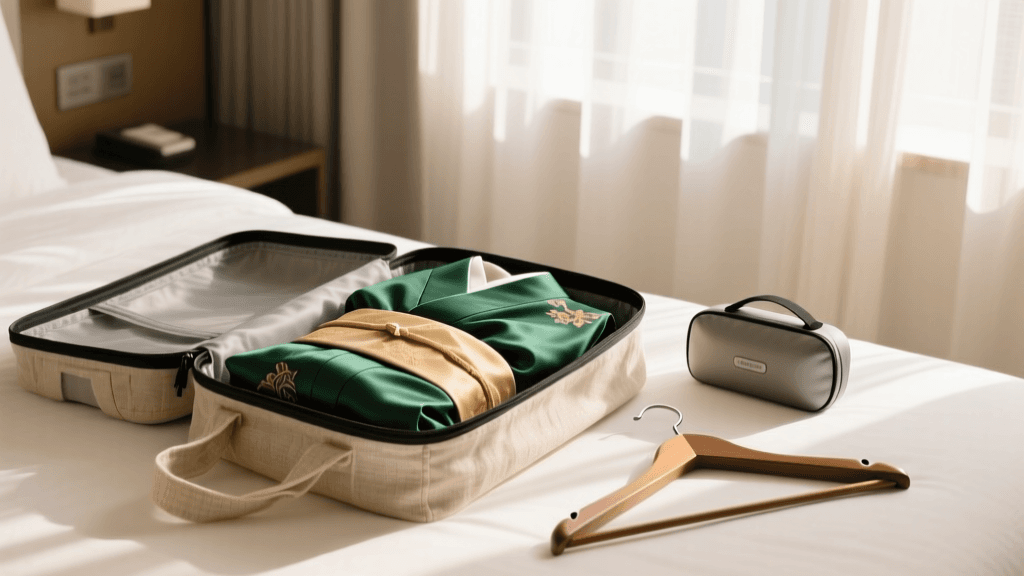
The 2026 Kimono Travel Gear Landscape
Traveling with a traditional Japanese kimono in 2026 requires a delicate balance between honoring centuries-old textile preservation techniques and utilizing modern travel gear. As cultural tourism in Japan and international Japanese fashion exhibitions hit record highs this year, more enthusiasts are transporting their own garments—ranging from delicate vintage silk (shoken) to modern washable synthetics—across the globe. However, the unique construction of the kimono, characterized by its straight seams and standard 130-to-140-centimeter length, presents distinct packing challenges. Improper folding can lead to permanent creases, while fluctuating transit temperatures can damage natural protein fibers.
According to the Victoria and Albert Museum's Asian textile archives, silk is highly susceptible to permanent creasing and structural degradation if stored under tension or folded improperly over long periods. To ensure your garment arrives at your destination in pristine condition, you must combine the traditional Japanese art of tato (folding) with 2026's latest advancements in climate-controlled luggage and portable garment care technology.
Mastering the Traditional 'Tato' Folding Method
Before placing a kimono into any modern luggage, it must be folded using the traditional tato method. This technique is specifically designed to align the garment's seams, distribute the fabric's weight evenly, and prevent stress on the delicate silk threads. Unlike Western garments that are often rolled to prevent creases, rolling a lined silk kimono can cause the inner lining and outer shell to shift, resulting in severe puckering.
Step-by-Step Tato Folding for Travel
- Step 1: Preparation. Lay the kimono face down on a clean, flat surface. Ensure your hands are freshly washed and completely dry, or wear white cotton archival gloves to prevent transferring natural oils to the silk.
- Step 2: The Side Folds. Fold the left side of the kimono toward the center back seam. Then, fold the right side over the left, ensuring the front panels overlap neatly and the collar forms a clean, straight line.
- Step 3: The Sleeves (Sode). Fold the sleeves back over the body of the kimono. The edges of the sleeves should align perfectly with the edges of the folded body. Do not fold the sleeves inward, as this creates harsh, unnatural creases across the decorative motifs.
- Step 4: The Length. Fold the bottom hem up toward the collar. For standard travel, a single fold in half is ideal. If your luggage requires a smaller footprint, you may fold it into thirds, but always place a layer of acid-free tatoushi paper inside the fold to prevent the silk from pressing into itself.
Once folded, wrap the kimono in tatoushi—traditional Japanese acid-free, anti-moisture paper. In 2026, many specialty kimono shops in Kyoto and Tokyo offer travel-sized tatoushi sheets infused with natural hinoki (cypress) oil, which acts as a natural insect repellent during long-haul flights.
Luggage Selection & Transport Data for 2026
Choosing the right luggage is critical. While standard carry-ons are convenient, their 55-centimeter height restriction forces a kimono to be folded into thirds, increasing the risk of deep, hard-to-remove creases across the main body (migoro). For optimal transport, a dedicated garment bag or a specialized large-format spinner is recommended.
When flying into major hubs like Narita or Kansai, reviewing Japan Airlines' official fragile baggage guidelines is essential. Many premium carriers now offer specialized garment handling services, allowing you to hang your kimono in a provided closet if you use a high-quality, structured soft-shell garment bag.
| Luggage Category | 2026 Gear Profile | Min. Interior Length | Kimono Capacity | Wrinkle Risk |
|---|---|---|---|---|
| Dedicated Garment Bag | Soft-Shell Tri-Fold with rigid hanger bar | 100cm+ | 2-3 Kimonos | Low |
| Hard-Shell Spinner | Large Check-in (75cm+ exterior height) | 70cm | 3-5 Kimonos (Tato folded) | Medium |
| Carry-On Spinner | Standard Cabin (55cm exterior height) | 50cm | 1 (Folded in thirds) | High |
| Kimono Transport Tube | Telescopic PVC/Carbon Fiber Tube | Adjustable to 140cm | 1 (Loosely rolled synthetic only) | High (for silk) |
On-the-Go Wrinkle Prevention & Steaming
Even with perfect packing, transit vibrations and temperature shifts can introduce minor wrinkles to your kimono. In 2026, the market is flooded with portable travel steamers, but not all are safe for traditional Asian garments. Silk is highly sensitive to water spots and extreme heat. Direct contact with a metal steamer plate will instantly scorch the fabric and leave permanent water rings.
When selecting a travel steamer for your kimono, look for 2026 models featuring 'silk-safe' temperature regulators and a non-drip micro-pulse steam function. Upon arriving at your hotel, hang the kimono on a specialized wide-shoulder kimono hanger (emono) in a well-ventilated room. Hold the steamer at least 10 centimeters away from the fabric, allowing the gentle vapor to relax the fibers without saturating them. Never stretch or pull the silk while it is warm and damp; let gravity do the work.
The Bathroom Steam Method (A Safe Alternative)
If you do not have a specialized steamer, the traditional hotel bathroom method remains highly effective and safe for vintage textiles. Hang the kimono in the bathroom while you run a hot shower. The ambient steam will gently relax the creases over 15 to 20 minutes. Afterward, move the kimono to the dry bedroom area and allow it to air dry completely before wearing. This method prevents the localized water spotting that often ruins expensive shibori (tie-dye) or yuzen (resist-dyed) patterns.
Climate Control & Moisture Management in Transit
Silk is a hygroscopic fiber, meaning it readily absorbs and releases moisture from the surrounding environment. Textile conservators emphasize that fluctuating humidity is the enemy of natural protein fibers, leading to mold growth in high humidity and fiber brittleness in arid conditions. The cargo hold of a commercial aircraft can experience drastic temperature and humidity drops.
To combat this in 2026, travelers are utilizing smart luggage accessories. Place reusable, color-indicating silica gel packets inside the folds of the tatoushi paper. Unlike the cheap, single-use packets found in shoe boxes, high-grade artisanal silica clay packets regulate moisture bidirectionally, ensuring the micro-climate inside your luggage remains stable at around 50% relative humidity. Furthermore, avoid storing your kimono luggage near the exterior walls of your hotel room or in direct sunlight, as UV exposure can rapidly fade the delicate natural dyes used in traditional Kyo-yuzen and Kaga-yuzen techniques.
Conclusion
Transporting a kimono is an act of cultural preservation. By respecting the traditional tato folding method, investing in appropriately sized luggage, and utilizing modern, silk-safe garment care technology, you can ensure your traditional garments remain vibrant and structurally sound for generations. Whether you are attending a tea ceremony in Kyoto or a cultural gala overseas, mastering the art of kimono travel in 2026 allows you to carry a piece of Asian heritage with confidence and grace.