Japanese Kimono Dress Codes: A Guide to Formal Occasions
The Foundation of Japanese Dress: TPO
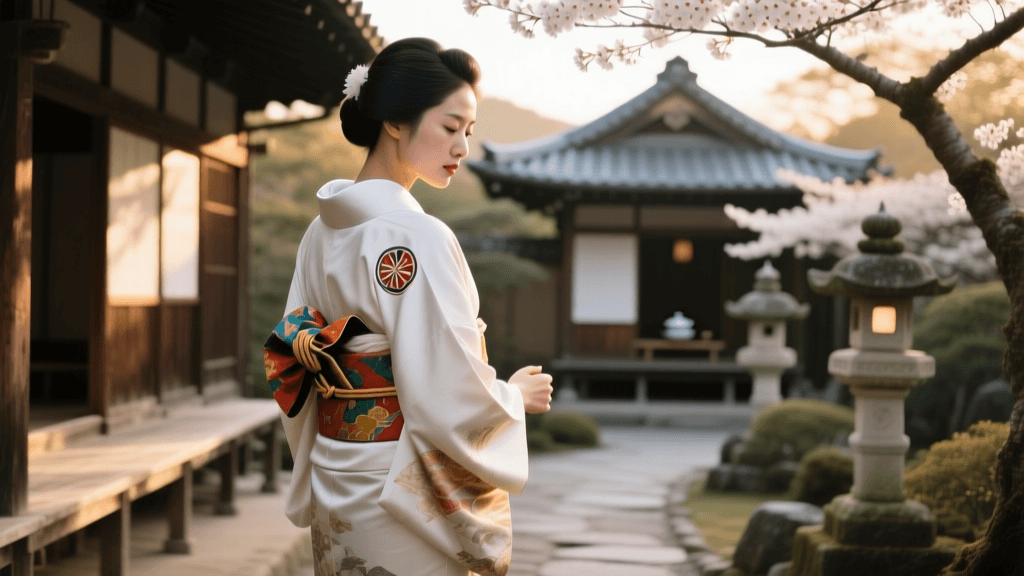
In Western fashion, dress codes are often broadly categorized as casual, business, or black-tie. In Japan, the rules governing traditional garments are far more intricate, guided by the principle of TPO: Time, Place, and Occasion. Understanding TPO is essential for anyone looking to wear a kimono respectfully and correctly. The formality of a kimono is not determined by a single factor but by a combination of the fabric, the pattern's placement, the number of family crests (mon), and the accompanying accessories. According to the Metropolitan Museum of Art, the evolution of the kimono from the kosode of the Edo period to the highly codified garment of today reflects deep-seated societal structures and aesthetic philosophies.
The Hierarchy of Formal Kimono
To navigate formal occasions, one must first understand the hierarchy of women's kimono. The following table outlines the primary formal and semi-formal garments, their target demographics, and their appropriate settings.
| Kimono Type | Marital Status | Formality Level | Key Characteristics | Best Occasions |
|---|---|---|---|---|
| Kurotomesode | Married | Most Formal | Black silk, 5 crests, patterns only below the obi | Weddings (mother of bride/groom) |
| Irotomesode | Married/Unmarried | Highly Formal | Colored silk, 1-5 crests, patterns below obi | Weddings (close relatives) |
| Furisode | Unmarried | Most Formal | Long swinging sleeves (114cm+), vibrant patterns | Coming of Age Day, weddings |
| Houmongi | Married/Unmarried | Formal | Continuous patterns across seams, 1-3 crests | Tea ceremonies, formal parties |
| Tsukesage | Married/Unmarried | Semi-Formal | Patterns do not cross seams, 0-1 crests | Dinners, exhibitions, graduations |
| Komon | Married/Unmarried | Casual | Repeating all-over patterns, no crests | Shopping, casual outings |
Kurotomesode and Irotomesode: The Pinnacle of Formality
The kurotomesode (black with short sleeves) is the absolute highest level of formal wear for married women. It is always made of black silk and features exactly five family crests. The defining characteristic is that its decorative patterns are located exclusively below the waistline, leaving the black upper body unblemished to signify utmost respect. It is predominantly worn by the mothers of the bride and groom at weddings. The irotomesode follows the same structural rules but features a colored background (such as deep green, navy, or plum) rather than black. It is worn by close, married or unmarried relatives of the bride and groom who are not the mothers.
Furisode: The Unmarried Woman's Formal Wear
Translating to "swinging sleeves," the furisode is easily recognizable by its dramatically long sleeves, which can measure anywhere from 85 to 114 centimeters in length. This is the most formal kimono for young, unmarried women. It is the standard attire for Seijin-shiki (Coming of Age Day) and is frequently worn by unmarried female guests at weddings. The vibrant, all-over patterns of the furisode are designed to be eye-catching, symbolizing youth and availability for marriage.
Houmongi and Tsukesage: Versatile Elegance
The houmongi ("visiting wear") is unique because its patterns are dyed continuously across the seams, creating a unified, picture-like canvas when the garment is laid flat. It is appropriate for both married and unmarried women and serves as a highly versatile formal garment for events like tea ceremonies, gallery openings, and formal dinners. The tsukesage is slightly less formal; its patterns are applied to individual panels before sewing, meaning the motifs do not cross the seams. It is an excellent choice for semi-formal events where a houmongi might feel slightly overdressed.
Seasonality: The Hidden Dress Code
Beyond the structural formality of the garment, Japanese kimono etiquette requires strict adherence to seasonal motifs. Wearing a pattern that is out of season is considered a significant sartorial error. The rule of thumb is to wear motifs that anticipate the season by about a month, or reflect the current season, but never a season that has already passed.
- Spring: Cherry blossoms (sakura), plum blossoms (ume), wisteria, and butterflies.
- Summer: Morning glories, fireflies, flowing water, and sweetfish (ayu).
- Autumn: Maple leaves (momiji), chrysanthemums, susuki grass, and full moons.
- Winter: Pine, bamboo, plum (shochikubai), camellias, and snowflakes.
For highly formal events like weddings, auspicious motifs like cranes, turtles, pine, bamboo, and plum are preferred year-round, as they symbolize longevity and good fortune, superseding strict seasonal rules.
The Significance of Mon (Family Crests)
The number of mon (family crests) dyed into the silk directly correlates to the garment's formality. The highest level of formality requires five crests: one on the back of the neck, two on the front chest, and two on the back of the sleeves. Three crests (back of neck and back of sleeves) denote semi-formal wear, while one crest (back of neck) is appropriate for slightly dressy occasions. A kimono with no crests is generally considered casual or everyday wear, regardless of the fabric's quality.
Essential Kimono Etiquette for Specific Occasions
Weddings (Guest vs. Family)
As noted by cultural resources like Japan Guide, wedding etiquette is fraught with unspoken rules. First, guests must absolutely avoid wearing white, as this color is strictly reserved for the bride (who wears a shiromuku or iro-uchikake). Second, if you are a guest, avoid wearing a furisode that is excessively flashy or brightly colored, as it is considered rude to upstage the bride. Opt for a sophisticated houmongi or a subdued irotomesode if you are a close relative. Finally, ensure your obi knot is tied in a celebratory style, such as the taiko musubi, and avoid any accessories featuring black or white combinations that might evoke mourning.
Tea Ceremonies (Chakai)
The tea ceremony demands modesty, humility, and practicality. Loud, flashy patterns and excessive gold embroidery are frowned upon, as they distract from the serene atmosphere of the tearoom. A tsukesage or an edo komon (a kimono with extremely fine, micro-patterns that look solid from a distance) is ideal. Crucially, avoid wearing a furisode; the excessively long sleeves are a hazard and will inevitably dip into the tea bowl or knock over delicate utensils when you bow or reach.
Graduation Ceremonies
For university graduations, it is traditional for women to wear a hakama (a pleated, skirt-like trouser) over a kimono. The kimono worn underneath is typically a furisode or a houmongi. The hakama represents academic achievement and is a nod to the Meiji era when female students adopted the garment for mobility. Footwear for this occasion shifts from formal zori to geta (wooden clogs) paired with maroon or black hakama, creating a distinct, scholarly silhouette.
The Golden Rule: Left Over Right
If there is one absolute rule in kimono etiquette that must never be broken, it is the method of wrapping the garment. The left side of the kimono must always be wrapped over the right side. Wrapping the right side over the left is strictly reserved for dressing the deceased for burial. Making this mistake is considered highly inauspicious and deeply offensive in Japanese culture. This rule applies universally, regardless of the wearer's gender, the formality of the garment, or the setting.
Accessories: Completing the Formal Ensemble
A kimono is never worn alone; it is part of a complex ensemble where every accessory dictates the overall formality.
The Obi
The sash, or obi, is just as important as the kimono itself. For the most formal occasions, a Maru obi or Fukuro obi made of opulent brocade woven with gold and silver threads is required. These are tied in elaborate knots. Semi-formal events allow for a Nagoya obi, which is pre-folded and easier to tie, often featuring elegant but less ostentatious embroidery.
Footwear and Tabi
Formal kimono demand split-toed tabi socks, which must be pristine white. Colored or patterned tabi are strictly for casual wear or specific performance arts. Footwear consists of zori (flat, thonged sandals). For formal events, zori are covered in brocade or vinyl and feature a thicker heel. Wooden geta are generally too casual for formal silk kimono, though they are paired with yukata or casual wool kimono.
Conclusion
Navigating the dress codes of traditional Japanese clothing requires an appreciation for history, aesthetics, and social harmony. While the rules may seem daunting to the uninitiated, they are ultimately designed to show respect for the occasion, the host, and the culture itself. Whether renting a houmongi for a tea ceremony in Kyoto or purchasing a furisode for a Coming of Age celebration, understanding these foundational etiquette rules ensures that you wear the garment not just as a costume, but as a participant in a living, breathing cultural tradition.