Kimono Family Ceremonies 2026: Birth, Coming-of-Age & Memorials
The Role of Kimono in Japan’s Lifecycle Ceremonies
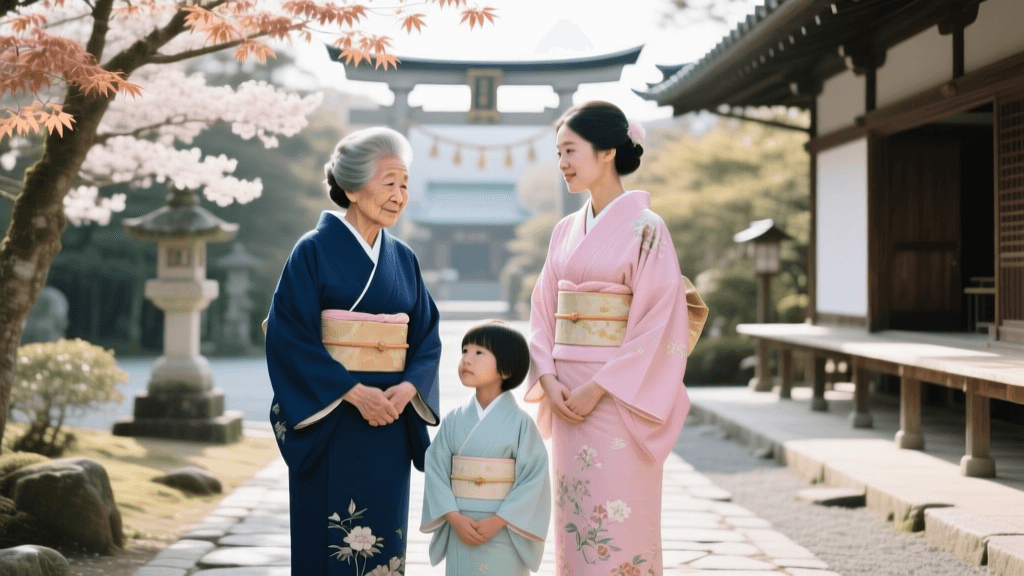
In Japan, the kimono is far more than a beautiful garment; it is a profound cultural marker that delineates the most significant milestones of human life. From the first shrine visit of a newborn to the solemn remembrance of ancestors, traditional Japanese clothing serves as a visual language of respect, transition, and familial bond. As we navigate through 2026, the landscape of ceremonial kimono wear is evolving. Families are increasingly blending deep-rooted etiquette with modern sustainability, opting for upcycled vintage silks and climate-adaptive weaves to suit contemporary needs while honoring ancestral traditions.
According to Japan Guide's comprehensive kimono overview, the rules governing what to wear, when to wear it, and how to accessorize remain strict, yet modern rental markets and specialized dressing services have made these garments more accessible than ever. This guide explores the essential kimono traditions for birth, coming-of-age, and memorial ceremonies, providing actionable advice and 2026 market insights for families planning these pivotal events.
Miyamairi: Welcoming New Life at the Shrine
The Miyamairi (or Omiyamairi) is a traditional Shinto ceremony held roughly one month after a baby is born. The family visits their local shrine to express gratitude for the safe delivery and to pray for the child's health and protection from evil spirits. The sartorial focus of this ceremony is a beautiful interplay between the infant and the parents.
The Baby’s Garment: Ubugi and Noshime
The newborn is traditionally dressed in a white silk undergarment called an ubugi, symbolizing purity and new beginnings. Over this, the baby is wrapped in a noshime or a brightly colored, heavily embroidered outer kimono. In 2026, popular motifs for baby kimono include cranes (longevity), pines (endurance), and kabuto helmets (strength for boys), while girls often feature peonies (wealth) and cherry blossoms (beauty). Because infants are sensitive to temperature, modern parents in 2026 are favoring lightweight, breathable silk blends and soft cotton linings, especially for summer shrine visits.
Parental Attire: Homongi and Montsuki
The mother typically wears a homongi (visiting kimono) or a tsukesage, featuring elegant, auspicious patterns like flowing water or seasonal flora. The father usually wears a formal montsuki (crested kimono) with a hakama (pleated trousers), or a conservative Western suit. A crucial 2026 trend is the use of ro or sha (sheer, woven) silks for mothers attending late-spring or early-autumn Miyamairi, adapting to Japan's increasingly warm shoulder seasons while maintaining strict formality.
Seijin Shiki: The Coming-of-Age Milestone
Held annually on the second Monday of January, Seijin Shiki celebrates young adults who have reached the age of majority (which was officially lowered to 18 in recent years, though many municipalities still celebrate the 20-year-old cohort to align with traditional drinking and smoking laws). This is arguably the most vibrant and highly anticipated kimono event in a young person's life.
Furisode: The Pinnacle of Unmarried Women’s Formalwear
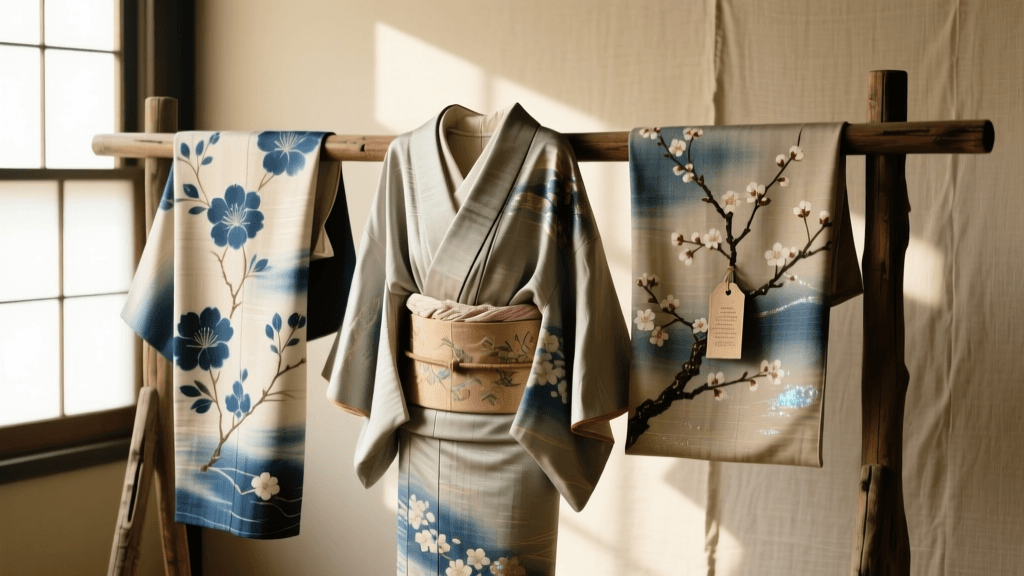
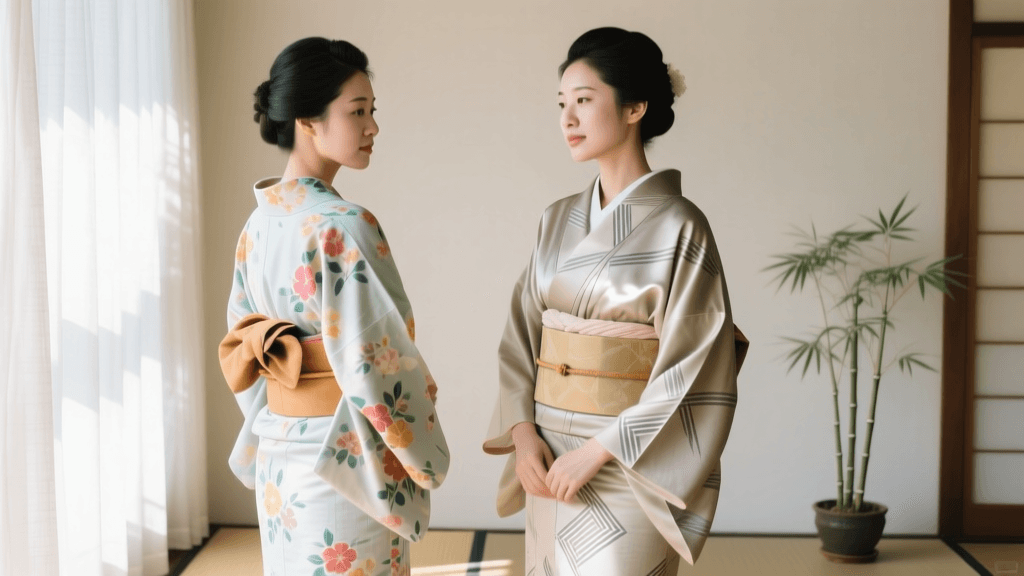
Young women mark this occasion by wearing a furisode, a kimono characterized by its dramatically long, swinging sleeves that can measure up to 114 centimeters. The long sleeves historically served to ward off evil spirits and signal availability for marriage. In 2026, the furisode market has seen a surge in bold, retro-modern aesthetics. While classic floral patterns remain popular, many young adults are choosing vintage Taisho-era (1912-1926) geometric designs, often paired with contrasting, jewel-toned obi (sashes) and elaborate hair ornaments.
Men’s Formalwear: Haori and Hakama
While many young men opt for Western suits, those embracing tradition wear a black montsuki kimono bearing five family crests, paired with a striped silk hakama and a haori (jacket). The haori-himo (decorative jacket cords) offer a subtle avenue for personal expression, with 2026 trends favoring hand-braided Kyoto kumihimo cords in deep burgundy or navy.
Shichi-Go-San: Celebrating Childhood Growth
Bridging the gap between infancy and adulthood is Shichi-Go-San (Seven-Five-Three), celebrated in November for children aged three, five, and seven. This ceremony acknowledges the historical fragility of childhood and prays for continued growth.
- Age 3 (Girls and Boys): Children wear vibrant kimono. Girls often wear a hifu, a padded silk vest, over their obi to ensure comfort, as traditional tying is too restrictive for toddlers.
- Age 5 (Boys): Boys don their first formal hakama over a kimono, often featuring auspicious motifs like eagles or samurai helmets, holding a traditional fan.
- Age 7 (Girls): Girls transition to wearing a standard obi tied in a decorative knot, marking their first step toward adult women's kimono styling.
Houji and Tsuizen: Honoring Ancestors Through Memorials
Japanese Buddhist and Shinto traditions require families to hold memorial services (Houji) at specific intervals after a loved one's passing, most notably the 1st, 3rd, 7th, 13th, and 33rd anniversaries. The kimono worn to these events communicates the mourner's relationship to the deceased and the passage of time since the loss.
Mofuku: The Deepest Mourning
For the funeral and the first anniversary, immediate family members wear mofuku, a completely unpatterned, matte black silk kimono bearing five white family crests. It is paired with a black obi, black-and-white accessories, and subdued white makeup. As noted by The Metropolitan Museum of Art's historical textile archives, the strict adherence to unadorned black in Japanese mourning wear reflects a deep cultural emphasis on uniformity, respect, and the stripping away of worldly vanity in the face of death.
Iromofuku: Subdued Colors for Later Anniversaries
As the family transitions to the 3rd, 7th, and subsequent anniversaries, the strictness of the dress code relaxes slightly into iromofuku (colored mourning wear). These are kimono in subdued, cool tones such as navy blue, charcoal grey, plum, or deep forest green. They typically feature one to three family crests and are paired with a silver, grey, or subtly patterned dark obi. In 2026, many families are inheriting and resizing iromofuku from grandparents, valuing the emotional continuity and sustainability of wearing an ancestor's garment to honor another.
2026 Kimono Rental vs. Purchase: Cost & Value Analysis
Navigating the financial aspect of ceremonial kimono can be daunting. While purchasing offers heirloom value, the 2026 rental market provides impeccable convenience, including professional dressing (kitsuke) and hair styling. Below is a comparative breakdown of estimated costs in Japanese Yen (JPY) for the current year.
| Ceremony | Garment Type | 2026 Rental Cost (JPY) | 2026 Purchase Cost (JPY) | Key Accessories Included |
|---|---|---|---|---|
| Miyamairi | Ubugi (Baby) / Homongi (Mother) | ¥15,000 - ¥35,000 | ¥80,000 - ¥250,000 | Sensu (fan), Zori (sandals), Shiro-juban |
| Seijin Shiki | Furisode (Women) | ¥45,000 - ¥120,000 | ¥300,000 - ¥800,000+ | Obi-jime, Obi-age, Hairpins, Zori |
| Seijin Shiki | Montsuki Hakama (Men) | ¥25,000 - ¥50,000 | ¥150,000 - ¥400,000 | Haori-himo, Tabi (socks), Zori |
| Shichi-Go-San | Children's Kimono / Hakama | ¥12,000 - ¥25,000 | ¥40,000 - ¥120,000 | Hifu vest, Zori, Omamori (charm) |
| Houji (Memorial) | Iromofuku / Mofuku | ¥20,000 - ¥45,000 | ¥100,000 - ¥350,000 | Black/White Obi, Mofuku Zori, Rosary |
Note: Rental packages in 2026 almost universally include the kitsuke (dressing) service and basic hair styling, which would cost an additional ¥10,000 to ¥15,000 if hired independently for a purchased garment.
Essential 2026 Planning Tips for Families
1. Secure Bookings Early for January Events
If you are planning for Seijin Shiki, the competition for premium vintage furisode and top-tier salon appointments is fierce. In 2026, industry experts recommend booking your rental and dressing appointments at least eight to ten months in advance (by early spring of the preceding year). Many municipalities now stagger their Coming-of-Age ceremonies across multiple days or even hold them in summer or autumn to avoid January crowds and cold weather, which has slightly eased the January bottleneck, but early planning remains critical.
2. Invest in Proper Undergarments (Juban and Hadajuban)
Whether renting or buying, the foundation of a beautiful kimono silhouette lies in the undergarments. For purchased kimono, investing in a custom-fitted nagajuban (under-kimono) and high-quality hadajuban (undershirt) ensures the collar sits perfectly at the nape of the neck and the hem falls at the correct angle. In 2026, moisture-wicking, washable synthetic blends for undergarments are highly recommended for summer ceremonies to prevent sweat damage to the delicate outer silk.
3. Prepare for Weather Contingencies
Japan’s weather can be unpredictable. For outdoor shrine visits like Miyamairi or Shichi-Go-San, always arrange for a shigure (traditional kimono raincoat) or a large, kimono-friendly umbrella. Mud and rain can instantly ruin silk hems. Many 2026 rental shops offer 'rain guarantee' insurance for a small fee, allowing you to swap a soiled hem or providing professional cleaning at no extra charge.
4. Understand the Language of the Obi
The obi is not just a belt; it dictates the formality of the entire outfit. For highly formal events like weddings or memorials, a stiff, heavily brocaded maru or fukuro obi is required. For slightly less formal visits, a softer nagoya obi is appropriate. Never wear a festive, gold-threaded obi to a memorial service, and avoid overly casual, half-width (hanhaba) obi for shrine ceremonies. When in doubt, consult a certified kitsuke professional who can advise on the precise regional and familial nuances of your specific event.
Conclusion
The kimono remains a living, breathing testament to Japan's rich cultural tapestry. Whether wrapping a newborn in the pure white silk of an ubugi, watching a young woman gracefully navigate her furisode sleeves, or bowing in quiet reverence in an iromofuku, these garments anchor families to their history. By understanding the etiquette, leveraging the modern 2026 rental market, and respecting the profound symbolism woven into every thread, families can ensure these lifecycle ceremonies are as beautiful and meaningful as the traditions themselves.