Kimono Guide for Birth, Coming-of-Age & Memorial Ceremonies 2026
The Enduring Role of Kimono in Japanese Family Milestones
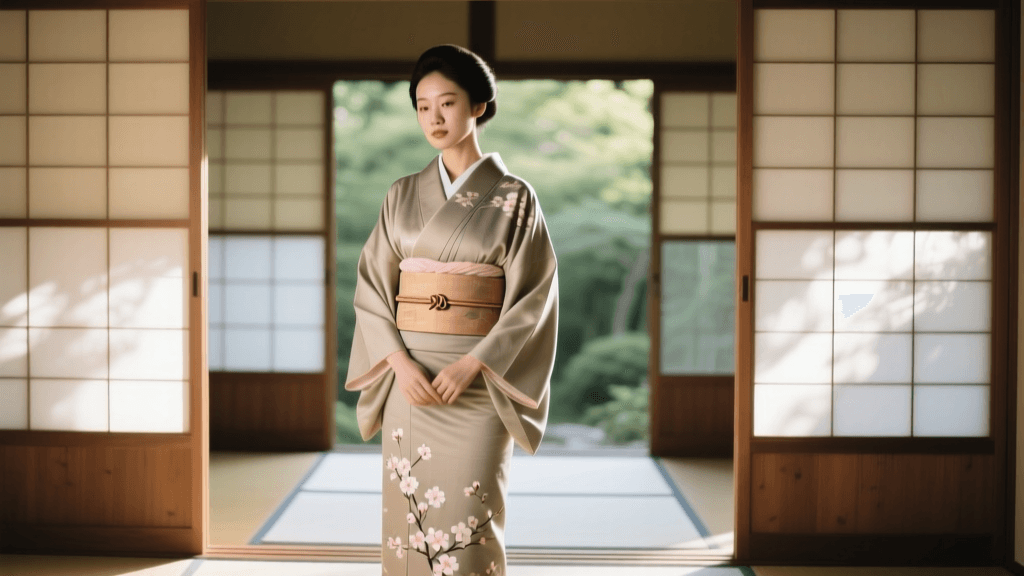
In 2026, the kimono remains far more than a historical artifact; it is a living, breathing garment that anchors Japanese families to their heritage during life’s most pivotal transitions. While daily Western clothing dominates modern life, the traditional garment atlas of Japan is meticulously unfurled for specific family ceremonies. From the first shrine visit of a newborn to the vibrant coming-of-age celebrations, and finally to the solemn memorials honoring ancestors, the kimono dictates the visual and emotional language of these milestones.
Navigating the complex rules of kitsuke (kimono dressing), formality levels, and seasonal motifs can be daunting. According to the Japan National Tourism Organization, understanding the cultural context of these garments enriches the experience for both locals and international residents participating in Japanese family life. This comprehensive 2026 guide breaks down the exact garments, etiquette, and market costs for birth, coming-of-age, and memorial ceremonies.
Miyamairi: The First Shrine Visit for Newborns
Miyamairi (or Omiyamairi) is a traditional Shinto ceremony held approximately one month after a baby is born. The family visits their local shrine to thank the gods for a safe delivery and to pray for the child’s health and longevity. In 2026, while some urban families opt for casual modern wear, the traditional Miyamairi remains a highly anticipated event requiring specific ceremonial garments.
The Baby’s Garments: Uwagi and Iwai-gi
The newborn is typically dressed in a simple white cotton under-kimono (shiro-habogi) and wrapped in an outer ceremonial kimono called an uwagi or iwai-gi. For boys, the outer layer often features bold, auspicious motifs like hawks, helmets, or dragons in dark colors (navy, black, or deep green). For girls, the designs are brighter, featuring flowers, cranes, and butterflies in reds, pinks, and golds. In 2026, sustainable and organic silk blends have become highly sought after for baby garments, reflecting a modern parental focus on eco-friendly textiles.
Parental Attire: Houmongi and Montsuki Hakama
The mother, still recovering from childbirth, often wears a Houmongi (visiting kimono) or an Iromuji (solid-colored kimono) in subdued, elegant shades like pastel pink, light blue, or soft grey. If the mother is married and attending a highly formal shrine, a Kurotomesode (black kimono with patterns only below the waist and five family crests) might be worn, though this is less common today due to its heavy formality. The father traditionally wears a Montsuki Hakama—a black crested kimono paired with pleated trousers, signifying respect to the shrine’s deity.
Seijin Shiki: The 2026 Coming-of-Age Ceremony
Held annually on the second Monday of January, Seijin no Hi (Coming-of-Age Day) celebrates those who have turned 20 in the past year. Despite Japan lowering the legal age of adulthood to 18 in 2022, municipalities overwhelmingly continue to host the ceremony for 20-year-olds in 2026 to align with university entrance exams and legal drinking/smoking ages. This event is the most visually spectacular kimono occasion of the year.
Women’s Furisode: Sleeves of Youth
Unmarried young women wear a Furisode, characterized by its long, flowing sleeves that can measure up to 114 centimeters in length. Historically, the swinging of these long sleeves was believed to ward off evil spirits and attract good fortune. In 2026, Furisode trends have shifted toward a blend of classic Taisho-era retro aesthetics and modern minimalist pastel palettes. Rental shops report high demand for 'antique-style' Furisode with modern, contrasting obi sashes.
Men’s Hakama and Modern Alternatives
While many young men now wear Western suits to Seijin Shiki, the traditional choice remains the Hakama worn over a solid-colored kimono (often featuring one or three family crests). The deep, structured pleats of the Hakama convey dignity and maturity. In 2026, rental packages for men’s Hakama have become more streamlined, often including pre-tied obi and modern, comfortable footwear (zori) with rubber soles for winter weather.
Hoyo and Obon: Memorials and Ancestor Veneration
Japanese memorial services (Hoyo or Hoji) are held at specific intervals after a passing: the 49th day, 1st year, 3rd, 7th, 13th, and 33rd years. The kimono worn to these events strictly follows the timeline of mourning, transitioning from deep grief to peaceful remembrance. The Matcha Kimono Guide emphasizes that understanding the subtle shifts in color and crest formality is crucial to showing proper respect to the deceased and their family.
Mofuku: The Deepest Mourning
For the funeral and the 49th-day memorial, immediate family members wear Mofuku. This is a completely unpatterned, matte black silk kimono featuring five family crests (itsutsu-mon). It is paired with a black obi, black obi-jime (cord), and black zori sandals. Mofuku is rarely rented; it is considered an essential, albeit somber, investment piece for a Japanese household, often passed down through generations or purchased from specialized formal wear boutiques.
Iro-Mofuku and Iromuji: The Transition of Time
As the years pass, the strictness of the mourning attire relaxes. By the 3rd and 7th-year memorials, attendees transition to Iro-Mofuku (subdued colors like navy, dark grey, or deep plum) or Iromuji with one to three family crests. The obi shifts from solid black to subtle silver, grey, or dark purple. By the 33rd-year memorial, which marks the end of the mourning period and the elevation of the deceased to a protective family ancestor, attendees may wear brighter Houmongi to celebrate the ancestor's enduring spiritual presence, especially if it coincides with the summer Obon festival.
2026 Kimono Market: Rental vs. Purchase vs. Dressing
The economics of traditional garments have shifted in 2026. With the rising cost of domestic silk production and artisanal dyeing, purchasing brand-new ceremonial kimono is a significant luxury. Consequently, the rental and vintage (recycle) markets have boomed. Below is a comparative breakdown of costs and considerations for 2026.
| Category | Garment Type | 2026 Rental Cost (Approx.) | 2026 Purchase Cost (Approx.) | Dressing Service (Kitsuke) |
|---|---|---|---|---|
| Birth (Miyamairi) | Baby Uwagi & Mother's Houmongi | ¥15,000 - ¥25,000 | ¥80,000 - ¥150,000 | ¥5,000 (Mother only) |
| Coming-of-Age | Furisode (Full Set) | ¥40,000 - ¥80,000 | ¥300,000 - ¥800,000+ | ¥6,000 - ¥10,000 |
| Coming-of-Age | Men's Montsuki Hakama | ¥15,000 - ¥25,000 | ¥100,000 - ¥250,000 | ¥4,000 - ¥6,000 |
| Memorials | Mofuku (Black Mourning) | Rarely Rented | ¥150,000 - ¥300,000 | ¥6,000 - ¥8,000 |
| Memorials | Iromuji (Subdued Color) | ¥10,000 - ¥18,000 | ¥80,000 - ¥200,000 | ¥5,000 - ¥7,000 |
Note: Prices are in Japanese Yen (JPY) and reflect 2026 national averages. Premium vintage silk and artisanal Yuzen dyeing will command higher purchase prices.
Practical Advice for 2026 Ceremony Attendees
If you are planning to participate in a Japanese family ceremony in 2026, preparation is key to ensuring a respectful and comfortable experience.
- Book Early for January: Seijin Shiki is a massive logistical event. Top-tier rental shops in Tokyo and Kyoto book their premium Furisode collections up to eight months in advance. If you are attending in January 2026, secure your reservation by May 2025.
- Understand the Kamon (Family Crests): The number of crests dictates formality. Five crests (itsutsu-mon) are for the highest formality (weddings, deep mourning). Three crests (mitsu-mon) are for semi-formal events (Miyamairi, later memorials). One crest (hitotsu-mon) is for lighter formal occasions. Never wear a garment with more crests than the occasion demands.
- Weather Adaptations: January in Japan is freezing. For Seijin Shiki, rent a specialized furisode coat or bring a luxurious wool shawl that complements the kimono. For summer Obon memorials, opt for ro or sha (woven summer silks) to prevent heat exhaustion.
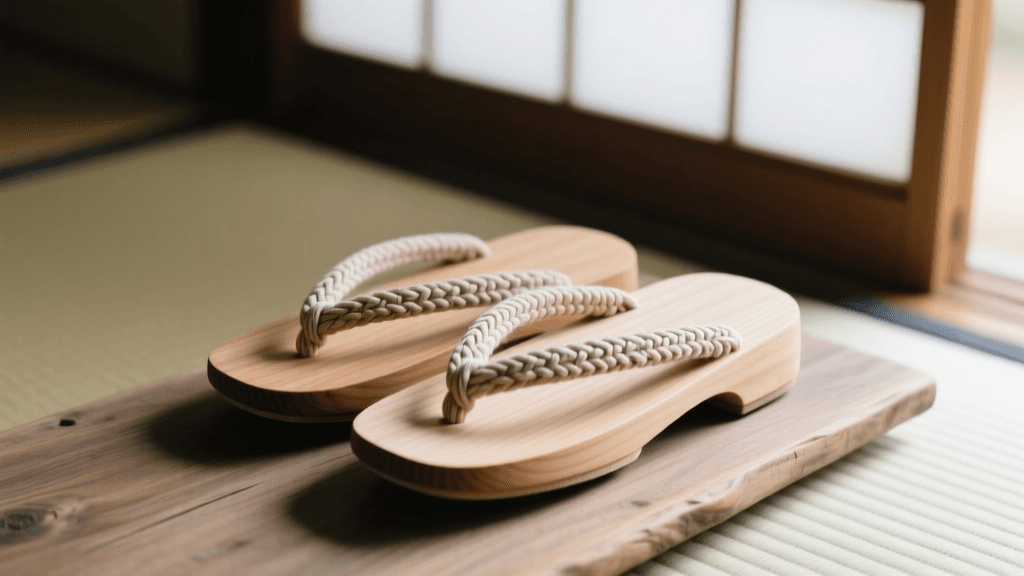
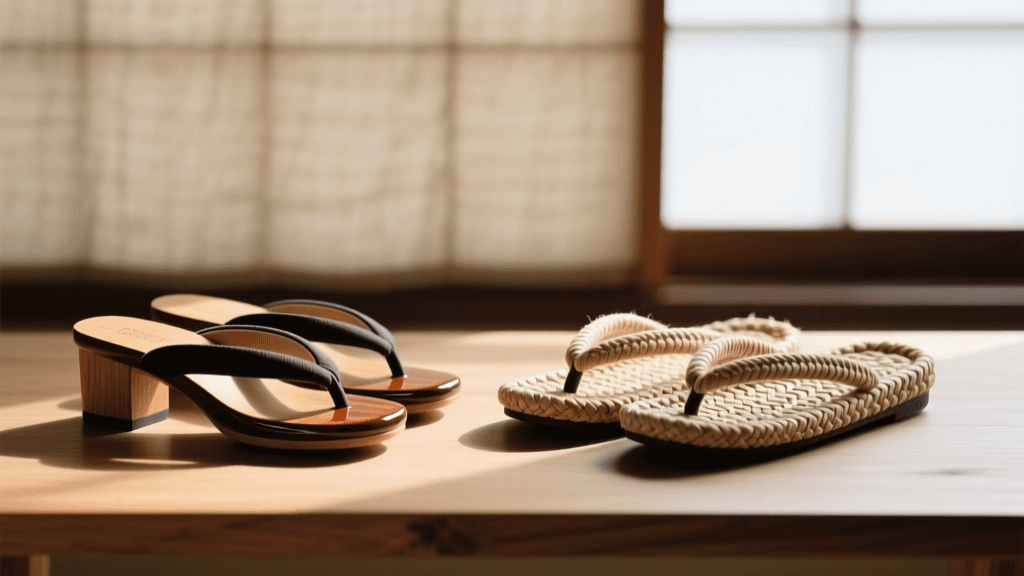
- Footwear Etiquette: Always wear split-toe socks (tabi) with zori sandals. White tabi are mandatory for formal ceremonies and memorials. Ensure your zori thongs are broken in before the event day to avoid blisters.
Preserving the Thread of Tradition
The kimono is a garment that demands intention. It forces the wearer to slow down, to move with grace, and to acknowledge the weight of the occasion. Whether wrapping a newborn in the protective silk of an iwai-gi, swinging the vibrant sleeves of a furisode to welcome adulthood, or donning the somber black of mofuku to honor those who have passed, the kimono remains the ultimate sartorial expression of Japanese family bonds. By understanding and respecting these traditions, we ensure that the garment atlas of Asia continues to thrive in the modern era.