Artisan Geta & Zori Craft: Traditional Footwear Guide 2026
The Enduring Legacy of Japanese Footwear in 2026
In the global fashion landscape of 2026, the intersection of heritage craftsmanship and sustainable design has never been more prominent. At the forefront of this movement is the traditional Japanese footwear industry, specifically the artisanal creation of geta (wooden clogs) and zori (flat sandals). Far from being relegated to museum exhibits or seasonal festival wear, these meticulously crafted pieces have experienced a massive renaissance. Modern artisans are blending centuries-old woodworking and textile techniques with contemporary ergonomic insights, making traditional Japanese footwear a viable, stylish, and sustainable choice for everyday wear.
According to the Association for the Promotion of Traditional Craft Industries, there has been a significant surge in international and domestic demand for bespoke footwear that honors regional Japanese techniques. Whether you are a collector of traditional garments, a practitioner of Zen spirituality, or simply a fashion enthusiast looking for sustainable footwear, understanding the craft behind geta and zori is essential. This comprehensive guide explores the anatomy, materials, modern innovations, and purchasing considerations for traditional Japanese footwear in 2026.
The Anatomy of Traditional Japanese Footwear
To appreciate the craftsmanship, one must first understand the structural components that define geta and zori. While they share the iconic hanao (thong), their bases and construction methods differ vastly.
Geta: The Wooden Clog
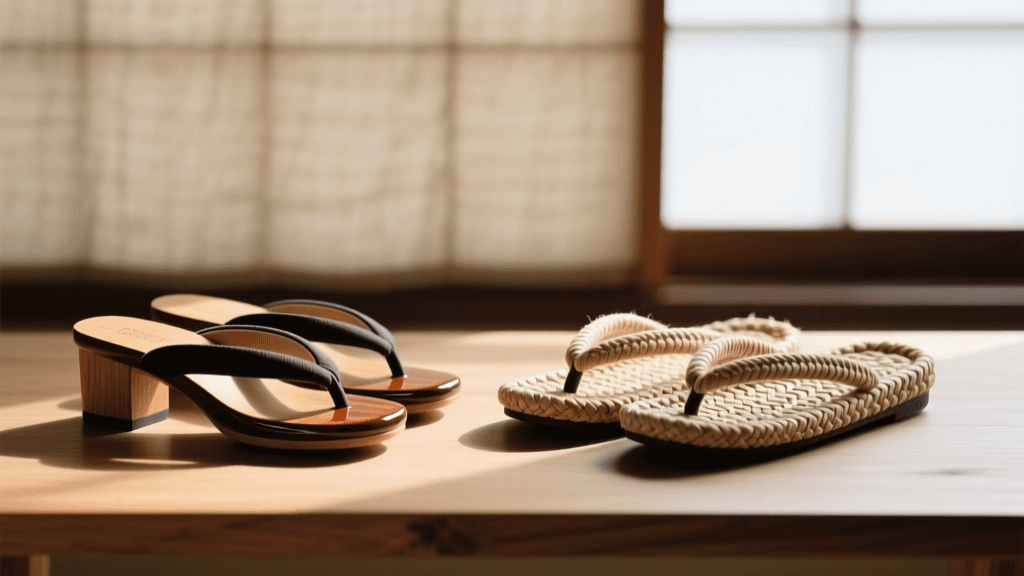
Geta are characterized by their elevated wooden base, designed historically to keep the wearer's hem clean from muddy streets. The anatomy of a geta consists of three main parts:
- Dai (Base): The main wooden board that supports the foot. Artisans carve the dai to follow the natural contour of the foot, providing arch support that mass-produced footwear often lacks.
- Ha (Teeth): The wooden blocks attached to the bottom of the dai. Most standard geta have two teeth, though styles like the tengu-geta feature a single central tooth, requiring immense balance and core strength to walk in.
- Hanao (Thong): The braided or fabric strap that secures the foot to the dai, passing between the first and second toes.
Zori: The Flat Sandal
Zori are flat, slip-on sandals that are generally considered more formal than geta, especially when paired with a kimono. The construction of zori involves:
- Core: Traditionally made from compressed rice straw (wara), modern artisanal zori in 2026 often utilize high-density EVA foam or lightweight balsa wood cores for durability and weather resistance.
- Covering: The core is tightly wrapped in materials ranging from woven igusa (rush grass) and bamboo sheaths to luxurious silk brocade and premium leather.
- Hanao: Similar to geta, but often wider, flatter, and made from softer, more luxurious fabrics for formal occasions.
Material Sourcing and Artisan Techniques
The soul of traditional Japanese footwear lies in its materials. The Agency for Cultural Affairs in Japan has continuously emphasized the importance of preserving regional material sourcing, which remains a cornerstone of artisanal footwear production today.
The Wood: Kiri and Hinoki
For geta, the choice of wood dictates the weight, sound, and longevity of the clog. Kiri (Paulownia) is the gold standard. It is exceptionally lightweight, naturally water-resistant, and produces a pleasing, high-pitched "clack" when walking. Premium artisan geta are often crafted from Hinoki (Japanese Cypress), which is denser, highly durable, and emits a soothing, natural forest aroma that lasts for years. In 2026, sustainable forestry practices ensure that all premium hinoki and kiri used by certified artisans are harvested from managed, replanted forests in regions like Yoshino and Akita.
The Hanao: Braiding and Textile Arts
The hanao is not merely a strap; it is a piece of textile engineering. Traditional hanao are braided using techniques similar to kumihimo (Japanese silk braiding). The inner core of the hanao is often made of hemp or cotton for tensile strength, while the outer layer features silk, velvet, or upcycled vintage kimono fabrics. A master artisan will hand-stitch the hanao into the dai using specialized awls, ensuring the tension is perfectly calibrated so the strap does not dig into the skin.
2026 Innovations in Traditional Footwear
While the aesthetic remains deeply rooted in history, the 2026 market has seen incredible innovations aimed at comfort and sustainability. Artisans are now utilizing 3D foot-scanning technology in boutique ateliers in Kyoto and Tokyo to carve bespoke dai that perfectly match the customer's plantar fascia and arch height. Furthermore, the integration of shock-absorbing, bio-based resins beneath the wooden ha (teeth) of geta has made them viable for walking on modern asphalt and concrete without the jarring impact or excessive noise associated with historical designs.
2026 Pricing and Buying Guide
Investing in handcrafted Japanese footwear is a commitment to quality. The pricing in 2026 reflects the intense labor and premium materials involved. Below is a structured comparison to help you navigate the market.
| Footwear Type | Primary Materials | Best Use Case | 2026 Price Range (USD) |
|---|---|---|---|
| Standard Geta | Kiri wood, Cotton Hanao | Festivals, Yukata, Casual Summer | $80 - $150 |
| Bespoke Artisan Geta | Hinoki wood, Silk/Velvet Hanao | Collectors, Daily Ergonomic Wear | $250 - $600+ |
| Igusa Zori (Rush) | Straw core, Igusa cover | Indoor, Tea Ceremony, Ryokan | $60 - $120 |
| Formal Leather Zori | EVA core, Premium Leather | Weddings, Formal Kimono | $180 - $400 |
| Brocade Zori | Wood core, Nishijin-ori Silk | High Formal, Heirloom Investment | $350 - $800+ |
When purchasing, always look for the certification mark of the Association for the Promotion of Traditional Craft Industries to ensure you are buying genuine, handcrafted articles rather than factory-made imitations.
The Art of Walking: Suriashi
Owning a pair of artisan geta or zori requires a shift in how you move. Traditional Japanese footwear is designed to be worn with tabi (split-toe socks), which provide grip and hygiene. The correct walking technique is known as suriashi—a sliding, gliding step. Instead of striking the ground with the heel and rolling to the toe (as in Western footwear), the wearer lifts the foot slightly and sets it down flat, or slides it forward. This technique engages the core, improves posture, and ensures the wooden teeth of the geta strike the ground evenly, producing the iconic rhythmic clatter while minimizing joint impact.
Care and Maintenance for Longevity
Proper maintenance ensures that handcrafted geta and zori can last a lifetime and even be passed down as heirlooms.
- Wood Care: For unfinished kiri or hinoki geta, lightly sand the wood with fine-grit sandpaper every few months to remove dirt and restore the natural grain. Apply a thin coat of natural tung oil or camellia oil to protect against moisture and prevent cracking.
- Hanao Replacement: The hanao is a wearable component. Artisans recommend replacing the thong every 3 to 5 years depending on use. Many specialty shops in Japan offer mail-in hanao replacement services, allowing you to refresh the look of your footwear with new seasonal textiles.
- Moisture Management: Never dry wet wooden geta near a direct heat source, as rapid drying will warp the dai and crack the ha. Wipe them with a dry cloth and let them air dry in a well-ventilated, shaded area.
- Zori Storage: Store formal zori in their original paulownia boxes with silica gel packets to protect the silk brocade or leather from humidity and mold.
Conclusion
The craft of geta and zori is a testament to Japan's ability to honor its past while adapting to the future. In 2026, these garments are more than just footwear; they are an embodiment of sustainable fashion, ergonomic design, and profound cultural heritage. Whether you are stepping into a pair of fragrant hinoki geta for a summer festival or gliding in formal leather zori for a tea ceremony, you are participating in a living tradition that continues to captivate the world.