2026 Kimono Guide for Birth, Coming-of-Age & Memorials
The Enduring Role of the Kimono in Japanese Family Milestones
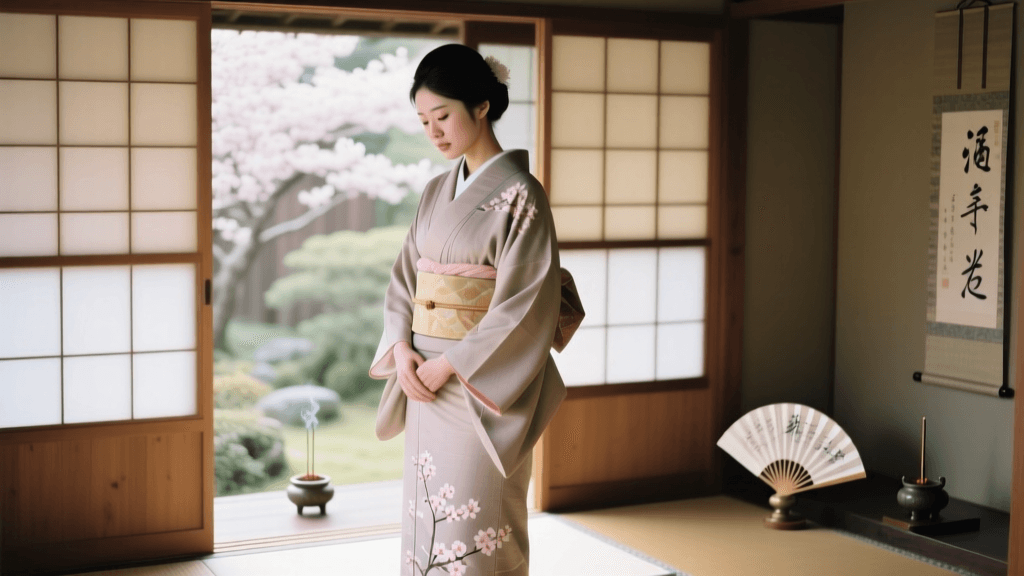
In Japan, the kimono is far more than a beautiful garment; it is a wearable archive of family history, social standing, and cultural continuity. As we navigate 2026, the intersection of traditional etiquette and modern convenience has transformed how families approach ceremonial dress. While everyday Western clothing dominates daily life, the kimono remains an absolute requirement for major life transitions. From the joyous first shrine visit of a newborn to the vibrant coming-of-age celebrations, and finally to the solemn respect of memorial services, the rules governing these garments are both intricate and deeply meaningful.
For modern families, including the global Japanese diaspora and expatriates, understanding the nuances of ceremonial kimono in 2026 requires a blend of historical knowledge and practical market awareness. According to the Victoria and Albert Museum's comprehensive guide on kimono history and etiquette, the garments worn during these milestones are heavily codified by season, marital status, and the specific nature of the ceremony. This guide breaks down the essential kimono protocols for birth, coming-of-age, and memorial ceremonies, providing actionable advice on sourcing, styling, and budgeting for the current year.
Omiyamairi: Welcoming the Newborn (Birth Ceremonies)
Omiyamairi is the traditional shrine visit that introduces a newborn to the local tutelary deity (ujigami), typically taking place around 30 to 32 days after birth. This joyous occasion requires specific garments for both the infant and the accompanying family members.
The Infant's Attire
The baby is traditionally dressed in a white silk under-kimono called a shirohabutae, which symbolizes purity and a blank slate for the child's future. Over this, the infant wears a ceremonial outer garment known as an uwagi or miyamagi. Unlike adult kimono, this outer garment features a wide, padded hem and long, decorative cords used to tie it around the neck of the person carrying the baby.
- Boys' Motifs: In 2026, popular motifs for boys include eagles, samurai helmets (kabuto), tigers, and dragons, symbolizing strength, courage, and protection.
- Girls' Motifs: Girls' garments typically feature palace carts (goshoguruma), peonies, cherry blossoms, and cranes, representing elegance, beauty, and longevity.
Traditionally, the baby is carried by the paternal grandmother, though modern family dynamics in 2026 mean it is equally common for the maternal grandmother or the father to hold the child. The carrying person wears a formal visiting kimono, such as a houmongi or tsukesage, ensuring the baby's ceremonial cords are draped elegantly over the carrier's shoulders.
Seijin-shiki: The Coming-of-Age Celebration
Held annually on the second Monday of January, Seijin-shiki celebrates young adults who have reached the age of maturity. Despite recent legal shifts regarding the official age of adulthood, the cultural celebration in 2026 remains firmly anchored at age 20 to avoid conflicting with high-stakes university entrance exams. This ceremony is the most visually spectacular of all Japanese family milestones, dominated by the breathtaking furisode.
The Furisode: Swinging Sleeves of Youth
The furisode is the most formal kimono reserved exclusively for unmarried women. Its defining feature is the long, swinging sleeves, which historically served to ward off evil spirits and signal marital availability. The Agency for Cultural Affairs Heritage Online highlights the furisode as a masterpiece of Japanese textile arts, often featuring intricate yuzen dyeing and lavish gold leaf application.
There are three distinct sleeve lengths to consider for 2026 rentals and purchases:
- Oh-furisode (Large): Sleeves measuring 114 cm or more. This is the most formal and dramatic option, heavily favored for stage appearances and high-end photography.
- Chu-furisode (Medium): Sleeves measuring around 100 cm. This is the standard, most popular choice for Seijin-shiki attendees, offering a perfect balance of elegance and mobility.
- Ko-furisode (Small): Sleeves measuring around 85 cm. Rarely used for coming-of-age today, these are more commonly seen at graduation ceremonies (sotsugyoshiki).
Young Men's Attire
While many young men in 2026 opt for Western business suits, there is a strong resurgence in wearing the traditional montsuki haori hakama. This ensemble consists of a plain black silk kimono bearing five family crests (kamon), a formal half-coat (haori), and pleated, wide-legged trousers (hakama). The haori himo (decorative cords) and the himo tying the hakama are typically white, signifying purity and a fresh start into adulthood.
Hōji and Kuyō: Navigating Memorial Services
Mourning and memorial ceremonies (hōji and kuyō) require the strictest adherence to kimono etiquette. The garments worn must reflect the mourner's relationship to the deceased and the amount of time that has passed since the death.
Mofuku: The Deepest Mourning
For the immediate family during the wake, funeral, and the crucial 49-day mourning period, mofuku is mandatory. Mofuku is a plain, unpatterned black silk kimono featuring five family crests. It is worn with a black obi, black obijime (cord), and white tabi socks. The fabric must be entirely matte; shiny silks like rinzu or chirimen with a high sheen are avoided, as glossiness is associated with celebration. Accessories must be minimal, typically limited to a single strand of pearls or matte black beads.
Iro-mofuku: Transitioning Through Grief
As time passes—marking the first, third, seventh, and thirteenth-year anniversaries of the passing—the strictness of the mourning attire softens. Extended family and attendees at later memorials wear iro-mofuku (color mourning). These are subdued, matte kimono in dark greys, navy blues, deep eggplants, or muted greens. They feature one to three family crests. The obi may incorporate subtle silver or grey threads, but gold and bright colors remain strictly forbidden. By the 33rd or 50th-year memorial, the deceased is considered an ancestral spirit, and attendees may return to wearing standard, elegant visiting kimono like the houmongi.
2026 Sourcing Guide: Renting, Buying, and Restoring
The kimono market in 2026 offers diverse pathways for acquiring ceremonial wear. Virtual fitting technologies and sustainable upcycling have revolutionized the rental industry, while specialized cleaning services have made heirloom restoration more accessible than ever. For travelers and expats planning ceremonies, the Japan National Tourism Organization provides regional directories for reputable, English-speaking kimono salons.
| Ceremony & Garment | Full Rental Package (2026 Avg) | Purchase (New/Custom) | Heirloom Restoration & Cleaning |
|---|---|---|---|
| Omiyamairi (Baby Uwagi & Mother's Houmongi) | ¥35,000 - ¥55,000 | ¥150,000 - ¥400,000 | ¥25,000 - ¥45,000 |
| Seijin-shiki (Women's Chu-Furisode Full Set) | ¥80,000 - ¥150,000 | ¥350,000 - ¥1,500,000+ | ¥40,000 - ¥80,000 |
| Seijin-shiki (Men's Montsuki Haori Hakama) | ¥25,000 - ¥45,000 | ¥120,000 - ¥300,000 | ¥20,000 - ¥35,000 |
| Memorial (Mofuku 5-Crest Full Set) | ¥20,000 - ¥35,000 | ¥250,000 - ¥600,000 | ¥30,000 - ¥50,000 |
The Rise of Heirloom Restoration (Maruarai)
In 2026, there is a profound cultural push toward sustainability and honoring family lineage through maruarai (whole-garment washing). Instead of purchasing new, many families are sending grandmother's furisode or houmongi to specialized Kyoto and Tokyo ateliers. These experts disassemble the kimono, wash the silk using traditional rice-bran and chemical-free methods, remove old stains, and re-tailor it to the modern wearer's exact measurements. This process not only saves money compared to buying new custom silk but also infuses the ceremony with deep emotional resonance.
Essential Etiquette and Modern Adaptations
Regardless of the ceremony, certain universal rules of kimono etiquette must be observed in 2026. The most critical rule is the folding of the collar: the left side must always overlap the right side. The reverse (right over left) is strictly reserved for dressing the deceased for burial. Additionally, the choice of footwear is paramount. Formal ceremonies require zori (woven or vinyl sandals) worn with pristine white tabi (split-toe socks). For mourning, the zori straps must be black or dark grey, and the tabi remain white to contrast with the black mourning garments.
As climate shifts continue to influence seasonal wear, 2026 has seen a rise in the use of advanced, breathable silk blends and unlined hitoe garments for early summer coming-of-age and shrine ceremonies, ensuring that participants remain comfortable without violating traditional aesthetic codes. Whether renting a vibrant furisode or donning a solemn mofuku, the kimono remains an indispensable thread connecting modern families to their ancestral roots.