Best Hanfu Garments For Qigong And Meditation 2026 Guide
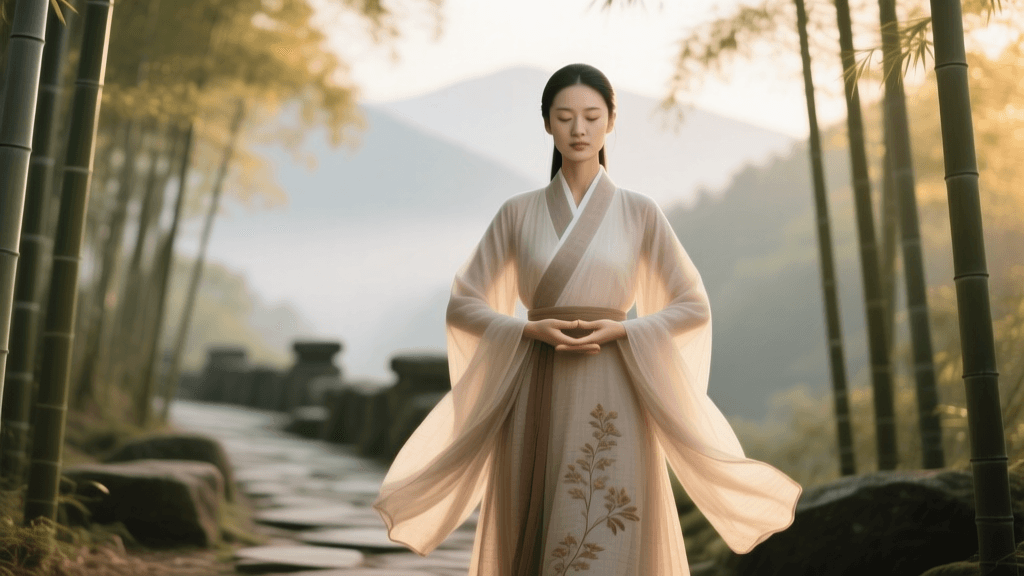
The 2026 Wellness Shift: Why Practitioners Are Choosing Hanfu
In 2026, the global wellness tourism and mindfulness sectors have experienced a profound shift toward "heritage wellness." Practitioners of traditional Chinese medicine (TCM), Qigong, and meditation are increasingly abandoning synthetic, restrictive modern activewear in favor of authentic Hanfu. This is not merely an aesthetic choice; it is a deeply functional one. Traditional Han Chinese clothing is engineered around the principles of meridian theory, allowing for unobstructed Qi (vital energy) flow, optimal diaphragmatic breathing, and thermal regulation during extended periods of stillness or dynamic movement.
According to the National Center for Complementary and Integrative Health (NCCIH), mind-body practices like Qigong and Tai Chi significantly reduce stress, improve balance, and enhance cardiovascular health. However, the physical environment—including the garments worn against the skin—plays a critical role in these outcomes. Tight elastic waistbands can compress the Dantian (the body's energetic center located just below the navel), while synthetic fabrics trap dampness and heat, disrupting the body's natural thermoregulation during deep meditation. By returning to historically accurate Hanfu silhouettes and natural fibers, modern practitioners are optimizing their wellness routines from the outside in.
How Hanfu Silhouettes Support Meridian Theory
The architecture of traditional Hanfu is intrinsically linked to TCM. The standard Jiaoling Youren (cross-collar, right lapel) creates a V-neckline that gently exposes the Tiantu acupoint at the base of the throat, facilitating unobstructed respiratory flow and cooling the Ren Mai (Conception Vessel). Furthermore, Hanfu relies on fabric sashes rather than elastic or buttons. A properly tied silk or linen sash sits precisely at the natural waist, providing gentle, supportive compression to the Mingmen (Gate of Life) on the lower back without restricting the abdominal expansion required for deep, diaphragmatic breathwork.
Research highlighted by Harvard Health Publishing notes that the physical fluidity and mindful movement required in these practices yield immense neurological and muscular benefits. When a practitioner wears wide-sleeved, flowing garments, the visual and physical feedback of the fabric moving through the air enhances proprioception and the psychological sensation of "moving through water," a core visualization technique in Qigong.
Top 3 Hanfu Garments for Qigong and Meditation in 2026
Choosing the right garment depends entirely on the specific wellness practice you are undertaking. Here are the top three Hanfu styles dominating the 2026 wellness retreat circuit, from the misty peaks of Wudang Mountain to urban mindfulness studios in Shanghai and New York.
1. The Daopao (Taoist Robe) for Deep Seated Meditation
The Daopao is a wide-sleeved, ankle-length robe characterized by its generous cut and side slits. For seated meditation (Jingzuo), the Daopao is unparalleled. The wide sleeves allow the arms to rest naturally in the lap or in a mudra position without pulling at the shoulder seams. In 2026, the most sought-after Daopao for wellness are crafted from unbleached Ramie or lightweight Hemp, providing a grounding, slightly weighted sensation that helps anchor the nervous system during deep trance states.
- Best For: Seated meditation, breathwork (Pranayama/Qigong breathing), and sound healing sessions.
- 2026 Market Price: $120 - $180 USD for authentic, hand-loomed hemp blends.
- Fit Tip: Ensure the shoulder seam drops at least 3 inches past your natural shoulder line to prevent restriction during deep inhalations.
2. The Shenyi (Deep Robe) for Standing Meditation (Zhan Zhuang)
The Shenyi is a one-piece robe that connects the top and bottom, symbolizing the unity of heaven and earth. Its structured yet flowing nature makes it ideal for Zhan Zhuang (standing like a tree). The continuous vertical line of the garment encourages proper spinal alignment, a critical component of standing Qigong. The 2026 wellness market has seen a surge in Xiangyunsha (Gambiered Canton Gauze) Shenyi robes, a luxury mud-silk that is naturally cooling, antibacterial, and exceptionally durable.
- Best For: Standing meditation, slow-form Tai Chi, and outdoor morning grounding practices.
- 2026 Market Price: $250 - $400 USD for genuine Xiangyunsha silk.
- Fit Tip: The hem should rest exactly 1 inch above the ankle bone to prevent tripping during subtle weight-shifting exercises.
3. Duan Da (Short Garments) for Active Baduanjin
For dynamic, physically demanding practices like Baduanjin (The Eight Brocades) or Wuqinxi (The Five Animal Frolics), full-length robes can be hazardous. The Duan Da consists of a cross-collar tunic paired with loose-fitting, straight-leg trousers. This ensemble allows for deep stances (Ma Bu) and high kicks while maintaining the traditional cross-collar energetic benefits. Modern 2026 iterations often feature hidden internal drawstrings made of cotton, replacing historical ties for quicker dressing while maintaining external traditional aesthetics.
- Best For: Active Qigong, martial arts conditioning, and dynamic stretching.
- 2026 Market Price: $85 - $140 USD for organic cotton-linen blends.
- Fit Tip: The trousers must have a gusseted crotch and a drop-crotch measurement of at least 12 inches to allow for full squatting without fabric tension.
2026 Fabric Guide: Natural Fibers for Energy Cultivation
In TCM, fabrics are not just materials; they possess energetic properties that interact with the skin's meridians. Synthetic fabrics like polyester are considered "dead" materials that trap stagnant heat (Damp-Heat), whereas natural fibers are "living" materials that breathe and conduct energy. Below is a comparison of the top wellness fabrics used in Hanfu production today.
| Fabric Type | TCM Energetic Property | Breathability Rating | Best Climate | 2026 Avg. Garment Cost |
|---|---|---|---|---|
| Mulberry Silk (19-22 Momme) | Cooling, nourishes Yin, calms Shen (spirit) | High | Temperate / Indoor | $180 - $280 |
| Chinese Hemp (250 GSM) | Grounding, clears Dampness, durable | Very High | Humid / Summer | $110 - $160 |
| Ramie (Hand-loomed) | Cooling, promotes Qi circulation | Exceptional | Hot / Tropical | $140 - $200 |
| Organic Bamboo Linen | Neutral, soothing to sensitive skin | High | All-Season | $90 - $130 |
A Practical 2026 Morning Qigong Dressing Ritual
To fully integrate your Hanfu into your wellness practice, treat the act of dressing as the first phase of your meditation. This 20-minute morning ritual is designed to transition your mind from sleep to active Qi cultivation.
- Grounding and Selection (Minutes 1-3): Upon waking, drink a glass of warm water. Select your Hanfu based on the day's weather and your internal state. If you feel lethargic (Qi deficiency), choose a structured Hemp Duan Da to stimulate energy. If you feel anxious (Shen disturbance), choose a flowing Silk Daopao to calm the nervous system.
- The Sash Tying Technique (Minutes 4-6): Wrap your fabric sash clockwise around your waist (following the natural flow of Yang energy). Tie it firmly but comfortably at the navel center. Place your palms over the knot and take three deep abdominal breaths, feeling the sash expand and contract against your Dantian.
- The Sleeve Alignment (Minutes 7-10): Extend your arms and shake out the wide sleeves. In Qigong, the sleeves act as extensions of your energetic field. Ensure the fabric hangs evenly. Perform gentle wrist rotations to align the fabric with the Neiguan acupoint on the inner wrist.
- The 20-Minute Baduanjin Flow (Minutes 11-30): Begin your active practice. The absence of restrictive elastic will allow your diaphragm to drop fully during the "Two Hands Hold up the Heavens" movement, maximizing oxygen intake and organ massage.
- Post-Practice Garment Care (Minutes 31-35): After practice, your garment will have absorbed expelled energetic stagnation and physical sweat. Do not immediately stuff it in a hamper. Hang the Hanfu in a well-ventilated, shaded area to "air out" the Qi and allow the natural fibers to release moisture, preserving the integrity of the silk or hemp.
Sourcing Authentic Wellness Hanfu
As the demand for heritage wellness wear peaks in 2026, the market has seen an influx of mass-produced, synthetic "costume" Hanfu that offer none of the energetic or physical benefits of authentic garments. When sourcing your wellness wardrobe, look for vendors who specify the exact fiber content (e.g., 100% Morus Alba Mulberry Silk or pure Boehmeria nivea Ramie). Artisans based in Hangzhou remain the gold standard for silk wellness garments, while weavers in Jiangxi province produce the finest breathable Ramie for intense summer Qigong sessions. Investing in high-quality, historically accurate Hanfu is an investment in your physical health, energetic hygiene, and the preservation of ancient sartorial wisdom.