2026 Fashion Media: Neo-Hanbok & Cheongsam Trends
The 2026 Editorial Shift: From Costume to Couture
Global fashion media in 2026 has firmly moved past the superficial borrowing of Asian motifs. Instead, top-tier publications like Vogue, Harper's Bazaar, and Elle are engaging in deep, structural collaborations with Asian heritage houses and contemporary designers. The Neo-Hanbok and the modern Cheongsam (Qipao) are no longer relegated to niche cultural showcases or festive seasonal spreads; they are headline features in Paris, Milan, and Seoul Fashion Week editorials. This shift represents a mature appreciation for the engineering, textile mastery, and historical weight of these garments. In 2026, fashion editors are prioritizing authenticity, focusing on how traditional Asian garments can be integrated into high-fashion, avant-garde, and everyday luxury wardrobes without losing their cultural soul.
Neo-Hanbok: Deconstructed Silhouettes in 2026 Media
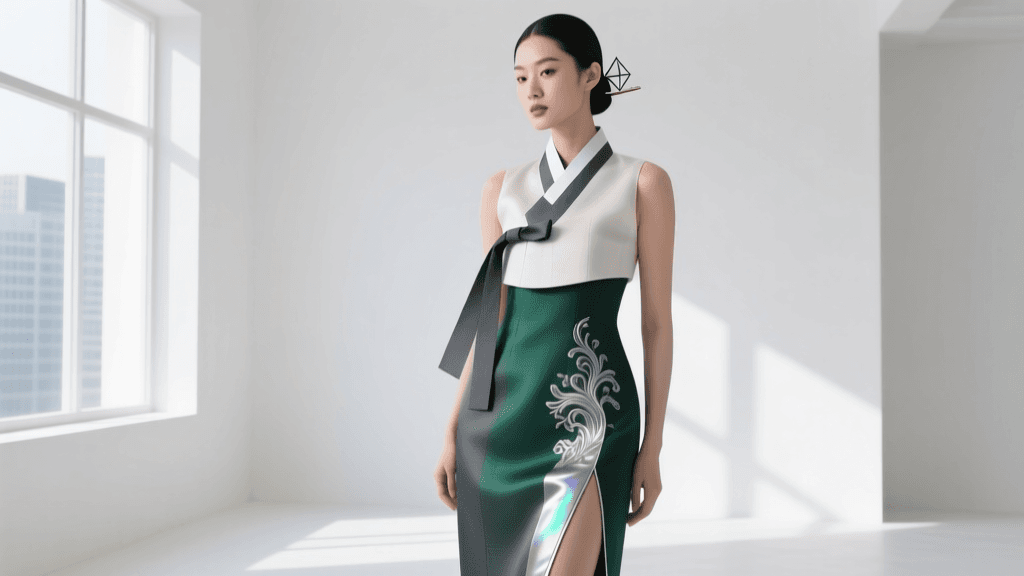
The Hanbok has undergone a radical transformation in the global fashion consciousness. While the traditional Hanbok remains a vital part of Korean ceremonial life, the 'Neo-Hanbok' has become a staple in 2026 high-fashion editorials. Designers are deconstructing the classic jeogori (jacket) and chima (skirt) to create silhouettes that challenge Western tailoring norms. In the Spring/Summer 2026 runway shows, we saw a massive surge in asymmetrical hemlines, oversized sleeve cuffs, and the use of unexpected, heavy textiles like raw denim and vegan leather paired with traditional gapsa silk.
The 2026 Jeogori and Chima Proportions
Global stylists in 2026 are favoring a specific set of proportions for the Neo-Hanbok. The traditional cropped jeogori has been elongated in editorial pieces to hit precisely at the high hip, creating a tunic-like effect that layers beautifully over wide-leg trousers or sheer midi-skirts. The chima is frequently tailored with a drop-waist or an architectural, pleated structure that holds its shape without the need for traditional undergarments. This structural freedom allows models and fashion enthusiasts to move fluidly, a key requirement for dynamic 2026 street-style photography.
The Modern Cheongsam: Xiangyunsha Silk and Structural Freedom
The Cheongsam (or Qipao) has also experienced a profound editorial renaissance. The restrictive, skin-tight silhouettes popularized in mid-20th-century cinema have been entirely replaced in 2026 high fashion by structural, relaxed-fit designs that prioritize the drape and movement of the fabric. The star material dominating 2026 luxury editorials is Xiangyunsha (gambiered Canton silk). This centuries-old dyeing technique, which involves treating silk with the juice of the dioscorea cirrhosa plant and river mud, yields a cool, crisp, and water-resistant fabric with a distinct dark, earthy sheen and a subtle, paper-like rustle.
Global fashion directors are pairing Xiangyunsha Cheongsams with heavy hardware, chunky leather boots, and oversized, masculine blazers. This striking juxtaposition of delicate, historically rich silk with brutalist, modern accessories creates a visual tension that dominates 2026 fashion spreads. Furthermore, the traditional high, stiff collar has been reimagined; 2026 editorials frequently feature the 'open-collar' Cheongsam or a detached, structured collar piece that can be worn independently.
Editorial Comparison: Neo-Hanbok vs. Modern Cheongsam
To understand how global media is positioning these two garments, we must look at their distinct editorial applications in 2026. The following table breaks down their current styling paradigms, material preferences, and market positioning.
| Feature | Neo-Hanbok (2026 Editorial Trend) | Modern Cheongsam (2026 Editorial Trend) |
|---|---|---|
| Primary Silhouette | Voluminous, A-line, architectural pleating, elongated tunics. | Relaxed column, drop-shoulder, open-placket, structural draping. |
| Dominant 2026 Fabric | Raw silk blends, sustainable ramie, organza, technical nylon. | Xiangyunsha (gambiered silk), heavy brocade, matte crepe. |
| Styling Juxtaposition | Paired with minimalist sneakers, sheer layering, and micro-bags. | Paired with heavy leather boots, oversized blazers, and chunky silver. |
| Bespoke Price Range | $800 - $2,500 USD (Seoul-based ateliers). | $1,200 - $4,000 USD (Shanghai and Paris-based tailors). |
| Media Presence | High in avant-garde and youth-culture publications (e.g., Dazed, i-D). | High in luxury and heritage publications (e.g., Vogue, Financial Times How To Spend It). |
Actionable Styling and Tailoring Guide for 2026
For readers, stylists, and fashion enthusiasts looking to incorporate these garments into their 2026 wardrobes, precise tailoring and thoughtful styling are paramount. Here is an actionable guide to achieving the modern editorial look:
- Master the Measurements: When commissioning a modern Cheongsam in 2026, do not opt for the traditional skin-tight fit. Request a '2-inch ease' rule from your tailor—meaning the garment should have two inches of breathing room at the bust, waist, and hips. For the Neo-Hanbok, the critical measurement is the 'nape-to-high-hip' drop, ensuring the jeogori sits perfectly without bunching at the waist.
- Hardware and Fastenings: The traditional knotted buttons (pankou) on a Cheongsam are being replaced in 2026 by brushed brass toggles, magnetic closures hidden beneath silk flaps, or oversized resin clasps. Specify matte or brushed finishes to avoid the costume-like shine of polished gold.
- Footwear Pairings: Abandon the traditional silk slippers or delicate stilettos. The 2026 editorial standard demands grounding the garment. For the Cheongsam, opt for square-toed leather ankle boots with a 2-inch block heel. For the Neo-Hanbok, chunky loafers or minimalist, high-top canvas sneakers provide the necessary contemporary edge.
- Textile Care for Xiangyunsha: If you invest in a gambiered silk Cheongsam, never machine wash or dry clean it using harsh chemicals. Xiangyunsha silk must be hand-washed in cold water with a specialized pH-neutral detergent, dried in the shade (direct sunlight degrades the mud-dye), and stored flat to maintain its structural memory.
Hair, Beauty, and Accessory Integration
The 2026 approach to beauty in Asian heritage editorials is defined by 'intentional imperfection.' The sleek, heavily lacquered hairstyles of the past have been replaced by textured, wind-blown updos or blunt, chin-length bobs that highlight the neckline of the Cheongsam. For the Neo-Hanbok, beauty directors are favoring bleached brows, graphic eyeliner that mimics the geometric lines of the jeogori collar, and dewy, un-powdered skin. Accessories are kept sparse but impactful; a single, oversized ear cuff in oxidized silver or a sculptural, hand-carved jade ring is preferred over layered, delicate jewelry.
Sourcing and Historical Foundations
While 2026 fashion pushes boundaries, the most successful designers and stylists ground their work in deep historical research. Understanding the historical drape, dyeing techniques, and cultural significance of these garments is crucial for modern styling. Institutions like the Victoria and Albert Museum's Asian Collections provide essential archives that contemporary designers reference to ensure structural authenticity and respectful innovation. Their extensive textile records help modern tailors understand how historical garments moved and breathed.
For the Hanbok, the preservation of traditional dyeing and weaving techniques is heavily documented and supported by official channels such as Korea.net's Culture and Arts Section, which frequently highlights the master artisans and intangible cultural heritage holders supplying today's luxury fashion houses. This connection to state-supported artisanship ensures that the Neo-Hanbok seen in global media retains its cultural integrity.
Similarly, The Metropolitan Museum of Art's Asian Art Collection offers invaluable insights into the evolution of the Cheongsam's collar, sleeve, and fastening systems. By studying these historical artifacts, 2026 designers can intelligently deconstruct and adapt the Cheongsam, ensuring that the modern interpretations seen on global runways are not just fleeting trends, but meaningful continuations of a rich sartorial legacy.
Conclusion
The integration of the Neo-Hanbok and the modern Cheongsam into 2026 global fashion media marks a triumphant era for Asian traditional garments. No longer viewed through an exoticized lens, these pieces are celebrated for their architectural brilliance, textile innovation, and profound cultural narratives. Whether you are a stylist preparing for a high-fashion editorial or a consumer investing in a bespoke piece, embracing the 2026 principles of structural freedom, material authenticity, and modern juxtaposition will ensure your wardrobe remains at the cutting edge of global fashion.