Top Japanese Fashion School Workshops 2026: Kimono & Dyeing

The Renaissance of Traditional Japanese Garment Education in 2026
The global fascination with traditional Japanese clothing has reached new heights in 2026, driven by a growing appreciation for sustainable, zero-waste fashion and artisanal craftsmanship. As the fashion industry grapples with the environmental impact of fast fashion, the meticulous, centuries-old techniques of Japanese garment making offer a profound alternative. For international students, designers, and textile enthusiasts, Japanese fashion schools and cultural institutions have vastly expanded their workshop offerings, blending immersive in-person intensives with cutting-edge online learning platforms. Whether you are looking to master the straight-line sewing of Wasai (traditional Japanese tailoring) or the intricate resist-dyeing methods of Shibori, 2026 presents an unprecedented array of educational opportunities.
Institutions that historically catered exclusively to domestic students have adapted their curricula for a global audience, offering bilingual instruction, digital textile libraries, and hybrid learning models. According to the Japan Kogei Association, the preservation and transmission of traditional crafts have become a national priority, leading to increased funding for educational workshops that bridge the gap between ancient heritage and modern design applications. This guide explores the most prestigious and accessible Japanese fashion school workshops and online programs available this year.
The Philosophy of Wasai: Zero-Waste Tailoring
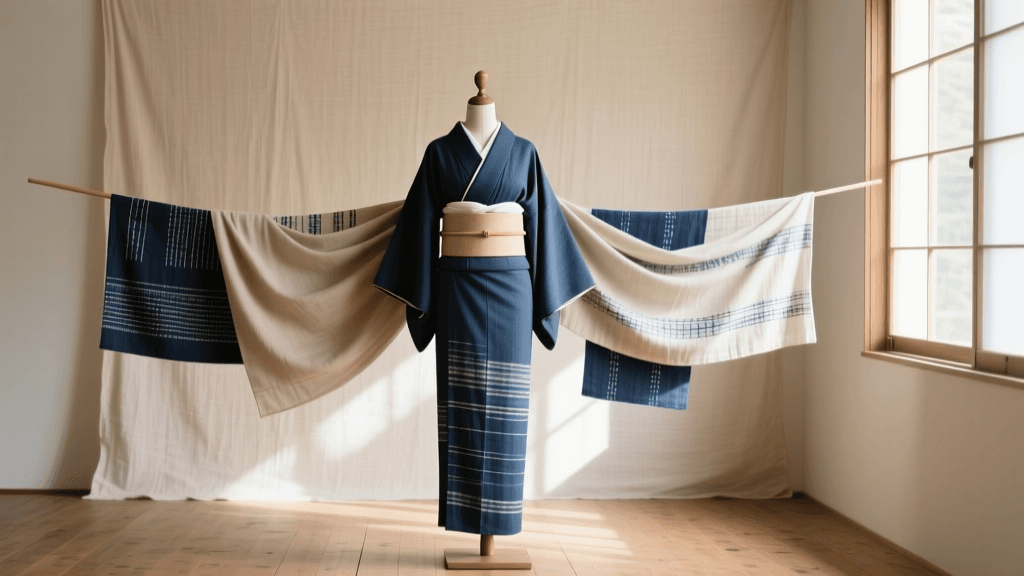
Before diving into specific institutions, it is essential to understand the foundational philosophy of Wasai. Unlike Western pattern drafting, which relies on curved seams and results in significant fabric waste, traditional Japanese garment making is based on a system of straight lines and rectangular panels. A kimono is constructed from a single bolt of fabric (known as a tanmono), and every inch is utilized. Furthermore, the garments are designed to be taken apart, cleaned, and re-sewn, ensuring longevity across generations. In 2026, fashion schools are heavily emphasizing this zero-waste methodology, teaching students how to apply these sustainable principles to contemporary global fashion design.
Top In-Person Workshops: Immersive Learning in Kyoto and Tokyo
Bunka Fashion College: Advanced Wasai Intensive
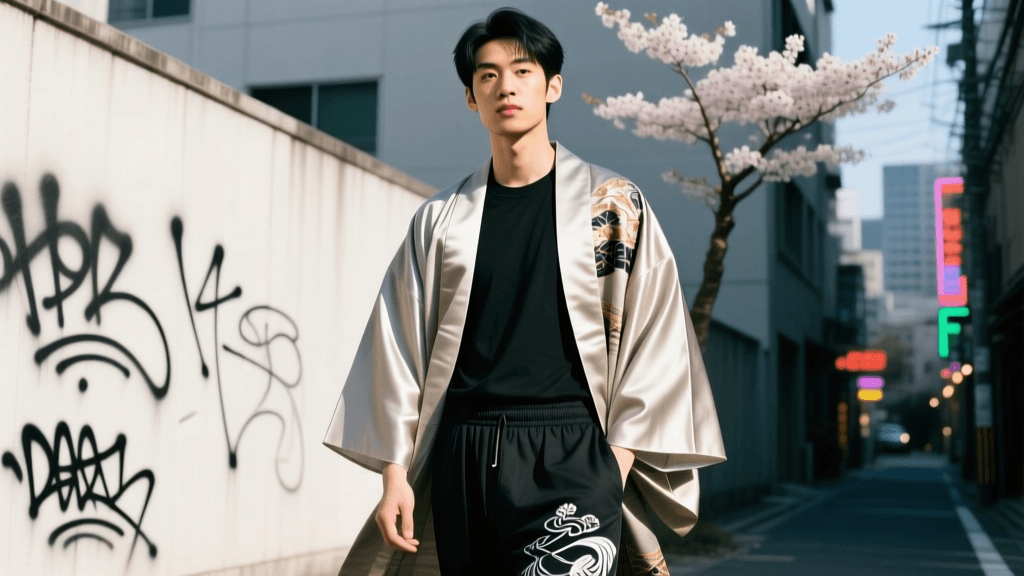
Located in the heart of Tokyo's Shinjuku district, Bunka Fashion College remains Asia's premier fashion institution. While globally renowned for its avant-garde Western design alumni, Bunka’s 2026 Traditional Japanese Garment Intensive is a highly sought-after program for international designers. This four-week, in-person workshop immerses students in the art of kimono construction, from measuring and cutting the tanmono to the meticulous basting (shitsuke) and final silk stitching. The 2026 curriculum has been updated to include a module on adapting traditional Jinbei and Yukata patterns for modern casual wear, allowing students to create commercially viable, heritage-inspired collections. Tuition for the intensive is approximately 220,000 JPY, excluding materials.
Kyoto Seika University: Natural Dyeing and Shibori Masterclasses
Kyoto, the historical epicenter of Japanese textile arts, offers unparalleled access to master dyers. Kyoto Seika University’s Faculty of Craft Art hosts seasonal masterclasses focusing on Shibori (shaped resist dyeing) and Yuzen (paste-resist dyeing). The 2026 summer cohort focuses heavily on sustainable, plant-based dyes, including Ai-zome (indigo) and Benibana (safflower). Students spend weeks in the studio learning the physical demands of Kanoko Shibori (binding tiny dots of fabric) and the chemical balancing required to maintain a living indigo vat. These workshops are physically demanding but yield a profound understanding of color theory and textile manipulation that cannot be replicated in a digital environment.
Best Online & Hybrid Programs for Global Students
For those unable to relocate to Japan for months at a time, 2026 has seen a massive leap in the quality of online textile education. Japanese institutions have invested in multi-camera, high-definition streaming setups that allow remote students to observe the exact tension of a thread or the precise folding of a resist-bind.
Tokyo Kimono Academy: Virtual Pattern Drafting
The Tokyo Kimono Academy’s virtual campus offers a comprehensive, semester-long online certification in Kimono Pattern Drafting. Using specialized digital software integrated with traditional shaku (Japanese ruler) measurements, students learn to draft patterns for various body types—a crucial skill, as kimonos are tailored to the individual wearer rather than standard sizing. The program includes mailed physical material kits, allowing students to practice basting and stitching at home while receiving real-time feedback from instructors via high-definition video links.
The Japan Foundation: Digital Textile Heritage Modules
For fashion historians and journalists, The Japan Foundation offers a series of free and low-cost digital modules exploring the cultural history of the kimono, the evolution of the obi, and the socio-economic impact of the silk trade. While not a hands-on tailoring course, these modules provide the essential cultural context required for any designer working with traditional Japanese garments, ensuring respectful and informed design practices. The Victoria and Albert Museum's Asian Collections frequently collaborate on these digital archives, providing students with high-resolution access to Edo-period garments for structural study.
Comparison Table: 2026 Workshop & Course Breakdown
| Institution | Format | Focus Area | Duration | 2026 Tuition (Approx.) |
|---|---|---|---|---|
| Bunka Fashion College | In-Person (Tokyo) | Wasai Tailoring & Modern Adaptation | 4 Weeks | 220,000 JPY |
| Kyoto Seika University | In-Person (Kyoto) | Shibori & Natural Plant Dyeing | 3 Weeks | 185,000 JPY |
| Tokyo Kimono Academy | Online (Hybrid Kits) | Pattern Drafting & Basting | 12 Weeks | 150,000 JPY |
| Japan Kogei Association | Weekend Workshops | Artisanal Loom Weaving | 2 Days | 35,000 JPY |
Essential Toolkit for Online Kimono Tailoring Students
If you are enrolling in an online Wasai program in 2026, you will need to assemble a traditional toolkit. While Western sewing kits will not suffice for authentic kimono construction, most online academies now ship starter kits internationally. If you are sourcing your own, ensure you acquire the following:
- Shaku (Japanese Ruler): Traditionally made of bamboo, the shaku measures approximately 37.8 cm. Pattern drafting relies entirely on this proportional system rather than inches or centimeters.
- Hera (Bamboo Spatula): Used for creasing fabric and marking lines. Unlike chalk or ink, the hera leaves a temporary, invisible crease that prevents permanent staining on delicate silks.
- Kote (Traditional Iron): A specialized, heavy iron with a rounded bottom, used in conjunction with a atsudai (ironing board). It is essential for pressing seams flat without scorching the fabric.
- Shitsuke Ito (Basting Thread): A specially spun, weak-twist cotton thread. It is designed to break easily when pulled, ensuring that the delicate silk fibers of the kimono are not torn during the removal of temporary basting stitches.
- Kakehari (Tension Pole): A wooden pole with a clamp, used to hold the fabric taut while sewing long, straight seams, ensuring even tension and preventing puckering.
How to Apply and Prepare for Your 2026 Intake
Applying to Japanese fashion workshops requires careful planning, particularly regarding visas and language barriers. For in-person intensives lasting longer than 90 days, international students must apply for a Student Visa or a Cultural Activities Visa. Institutions like Bunka Fashion College have dedicated international offices that issue the necessary Certificates of Eligibility (COE), but the process takes a minimum of three months. Therefore, applications for the Fall 2026 semester must be submitted by May 2026.
Language is another critical factor. While premier institutions now offer bilingual instructors or real-time translation earpieces for their flagship international workshops, possessing a basic understanding of Japanese textile terminology (such as okumi for the front panel, sode for the sleeve, and eri for the collar) will vastly improve your learning experience. Many schools require international applicants to complete a basic terminology module before arriving on campus.
Finally, students should prepare for the physical realities of traditional Japanese tailoring. Much of the work is done while seated on the floor at a low table, requiring flexibility and endurance. Engaging in daily stretching routines and practicing floor-seated posture in the months leading up to your workshop will prevent fatigue and allow you to focus entirely on the exquisite, meditative art of Japanese garment making.