Top Japanese Garment Workshops & Online Classes 2026
The 2026 Renaissance of Japanese Heritage Fashion Education
As the global fashion industry pivots heavily toward sustainability, zero-waste pattern making, and slow fashion in 2026, traditional Japanese garment construction and textile arts have experienced an unprecedented surge in global interest. Students, designers, and hobbyists are no longer looking solely at Western draping and tailoring; they are turning to the centuries-old techniques of Japan. From the mathematical precision of kimono pattern drafting to the organic, meditative practices of shibori and sashiko, Japanese fashion education offers a masterclass in harmony between textile, body, and nature.
Historically, mastering these techniques required relocating to Japan for multi-year apprenticeships under strict master artisans. However, the educational landscape of 2026 has completely transformed. Leading institutions and independent ateliers now offer sophisticated hybrid learning models. These programs combine rigorous online theoretical modules with intensive, hands-on residencies in Tokyo and Kyoto, making heritage fashion education more accessible to international students than ever before.
The Shift to Hybrid Learning in Traditional Garment Making
The hybrid education model has become the gold standard for traditional craft preservation in 2026. According to the Japan Kogei Association, the integration of digital learning tools has been instrumental in attracting a younger, global demographic to traditional crafts, ensuring their survival and evolution. Students now begin their journey with months of online video lectures, digital pattern simulations, and virtual critiques. Once the foundational theory and basic hand-stitching muscle memory are established, they travel to Japan for concentrated, in-person atelier workshops where they handle rare silks, operate traditional dye vats, and receive direct correction from master sensei.
This model not only reduces the financial burden of long-term international relocation but also allows working professionals and university students to integrate Japanese heritage techniques into their existing fashion portfolios.
Top In-Person Workshops: Tokyo and Kyoto
Bunka Fashion College (Tokyo)
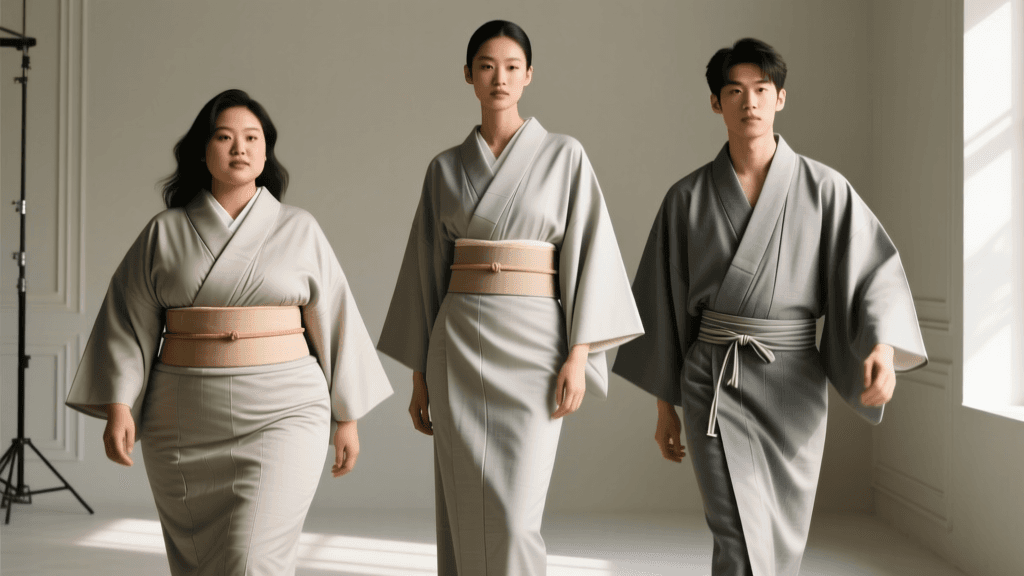
Renowned globally for producing avant-garde designers, Bunka Fashion College also houses one of the most prestigious continuing education departments for traditional Japanese garments. In 2026, their flagship short-term intensive is the "Modern Kimono Pattern Drafting and Silk Manipulation" workshop. This three-week hybrid course teaches the traditional flat-pattern drafting method, where garments are constructed from straight bolts of fabric (tanmono) without curved seams, resulting in zero textile waste. Students learn to use the traditional shaku ruler, calculate precise body allowances, and master the art of the silk cutting knife. The in-person Tokyo sessions focus heavily on the assembly of the haori and the intricate folding techniques required for proper kimono storage.
Kyoto University of Arts (Kyoto)
For those drawn to surface design and textile dyeing, the Kyoto University of Arts remains the premier destination. Their 2026 summer residency in Yuzen dyeing is highly coveted. Yuzen is a resist-dyeing technique used to create the elaborate, painterly designs seen on formal kimono. The workshop guides students through the meticulous process of applying rice-paste resist (itome-nori), hand-painting with specialized brushes, and steam-setting the dyes. The Kyoto campus provides access to historic wooden dyeing studios and the pure, soft water of the Kamo River, which is chemically essential for achieving vibrant, unblemished silk colors.
Premier Online Learning Platforms for Traditional Techniques
For those unable to travel to Japan in 2026, high-fidelity online platforms have bridged the gap. Specialized digital academies now offer multi-angle, 4K macro-videography that allows students to see the exact tension of a sashiko stitch or the precise folding geometry of arashi shibori.
- Advanced Sashiko and Boro Masterclasses: Online modules focusing on the running stitch (un-zashi) and the layering of indigo-dyed cottons. These courses emphasize the philosophy of mottainai (avoiding waste) and teach students how to mend and reinforce contemporary denim and workwear using traditional Tohoku-region techniques.
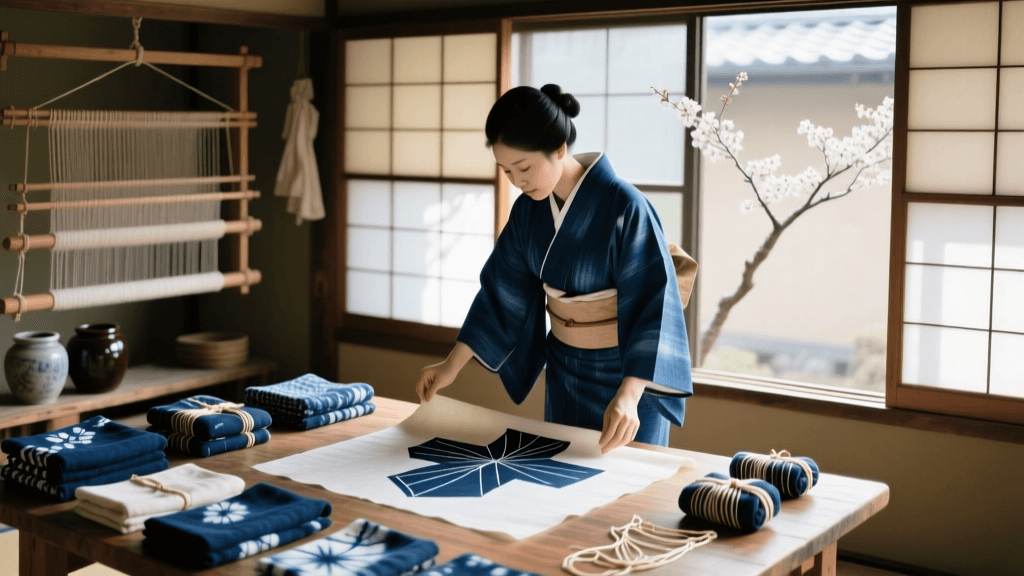
- Shibori Immersion Portals: Digital courses that ship physical starter kits to students globally. These kits include pre-mordanted cotton, binding threads, and wooden clamps. Live-streamed sessions from Kyoto studios guide students through kumo (spiderweb), miura (looped binding), and itajime (shape-resist) shibori, utilizing modern, eco-friendly synthetic indigo vats that are safe for home use.
- Digital Yuzen and Katazome Theory: While full-scale dyeing is difficult at home, online programs offer deep dives into the history, motif symbolism, and digital design of traditional stencils (katagami), allowing fashion students to adapt these motifs for modern digital textile printing.
2026 Program Comparison: Hybrid, In-Person, and Online
To help you navigate the myriad of options available this year, we have compiled a comparison of the top-tier Japanese garment and textile programs currently accepting international applicants.
| Program Name | Institution / Atelier | Format | Primary Focus | 2026 Tuition (USD) |
|---|---|---|---|---|
| Kimono Pattern Drafting Intensive | Bunka Fashion College | Hybrid (4 weeks) | Flat-pattern drafting, zero-waste silk cutting | $2,400 |
| Advanced Yuzen Dyeing Residency | Kyoto University of Arts | In-Person (2 weeks) | Rice-paste resist, hand-painting, steam-setting | $1,850 |
| Sashiko & Boro Masterclass | Independent Kyoto Atelier | Online (Self-paced) | Running stitch, textile mending, indigo layering | $250 |
| Shibori Immersion Weekend | Tokyo Craft Alliance | In-Person (3 days) | Arashi, Kumo, and Itajime shibori binding | $600 |
| Katagami Stencil Carving | Nara Traditional Craft Center | Hybrid (2 weeks) | Washi paper lamination, micro-carving techniques | $950 |
Building Your 2026 Home Studio for Japanese Textile Arts
Whether you are preparing for an in-person workshop or embarking on a fully online curriculum, establishing a proper home studio is critical. Traditional Japanese garment making relies on specialized tools that differ vastly from Western tailoring equipment. Here are the essential investments for your 2026 home studio:
The Hera and Marking Tools
Unlike Western chalk or disappearing ink, traditional Japanese marking relies on the hera, a specialized spatula used to crease fabric along fold lines. In 2026, while traditional bamboo hera are still preferred for silk, advanced Teflon-coated hera are widely available for delicate, easily snagged modern textiles. Paired with a traditional shaku ruler (measuring exactly 37.88 cm), these tools ensure your pattern drafting adheres to authentic proportional mathematics.
Temperature-Controlled Kote (Iron)
The traditional kote was a charcoal-filled iron used for pressing seams and manipulating silk. Today, electric kote irons feature precise digital temperature controls and specialized narrow tips designed specifically for pressing the deep, narrow seams of kimono sleeves and hakama pleats without scorching the fabric. Investing in a modern, variable-voltage kote is essential for international students managing different regional power grids.
Stabilized Indigo Vats
For those studying shibori or sashiko at home, maintaining a natural sukumo (fermented polygonum tinctorium) indigo vat can be challenging due to strict pH and temperature requirements. The 2026 market has introduced smart-home-compatible indigo vat heaters and digital pH monitors tailored specifically for textile artists, allowing you to maintain a healthy, active dye vat in your home studio year-round without the risk of the vat "dying" from temperature fluctuations.
Navigating Applications, Visas, and Cultural Etiquette
For international students planning to attend the in-person residencies in Tokyo or Kyoto, understanding the 2026 immigration and cultural landscape is vital. Japan's updated digital visa portal now offers a streamlined "Short-Term Cultural Activity" e-visa, specifically designed for students attending workshops ranging from two weeks to three months. This visa category requires a formal letter of acceptance from the host institution, such as Bunka Fashion College or a registered Kyoto atelier, and proof of sufficient funds to cover materials and living expenses.
Cultural etiquette within the Japanese classroom remains as important as technical skill. The concept of reigi (courtesy and respect) governs the studio environment. Students are expected to maintain immaculate workspaces, clean their tools meticulously after every session, and show deep respect for the materials. Silk, in particular, is treated with reverence; wasting fabric or handling it with unclean hands is considered a significant breach of studio etiquette. Approaching your education with humility, patience, and a willingness to observe before acting will greatly enhance your relationship with your Japanese instructors.
Conclusion
The landscape of Japanese traditional fashion education in 2026 is a beautiful synthesis of ancient wisdom and modern accessibility. Whether you are drafting zero-waste kimono patterns in a high-tech Tokyo classroom, stirring an indigo vat in a historic Kyoto studio, or mastering the sashiko stitch via a live-streamed masterclass from your home, the opportunity to immerse yourself in these heritage techniques has never been greater. By investing in these workshops and online programs, you are not only elevating your own design practice but also participating in the vital, global preservation of Japan's extraordinary textile legacy.