Ceremonial vs Everyday Kimono: A 2026 Styling Guide
The Cultural Dichotomy: Hare (Formal) vs. Ke (Everyday)
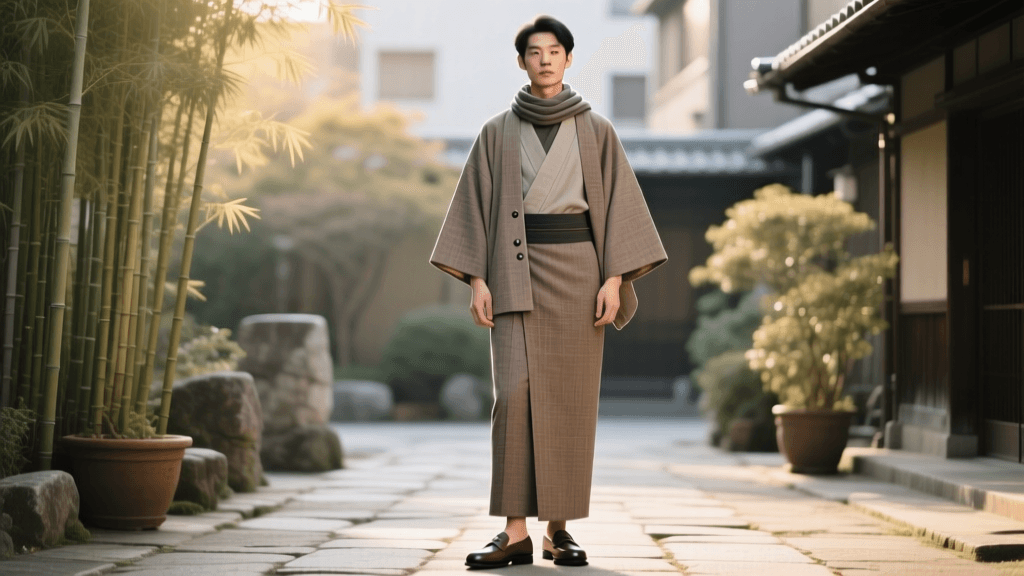
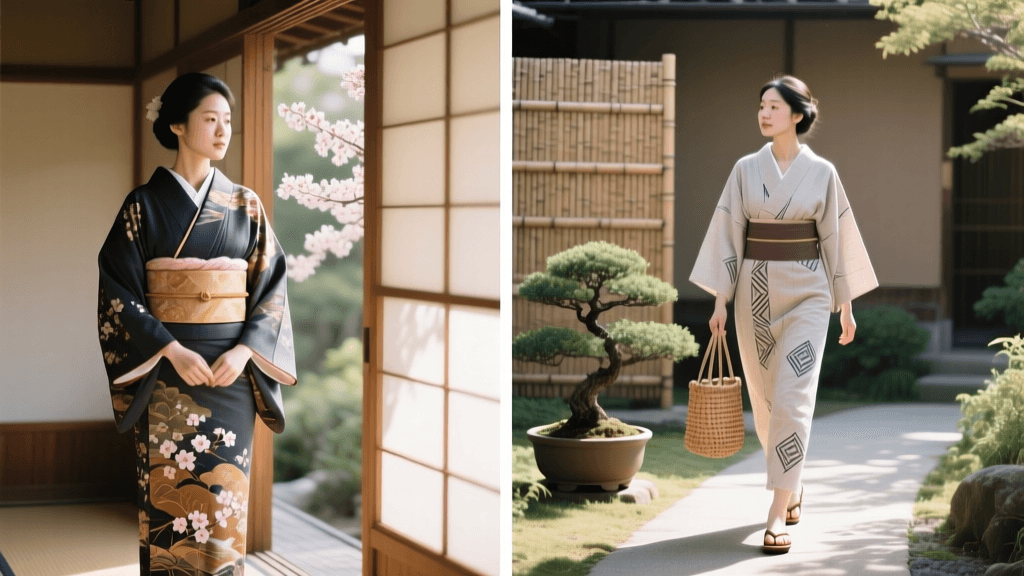
The Japanese kimono remains one of the most iconic and structurally fascinating garments in global fashion history. However, to the untrained eye, the vast array of silk, cotton, and synthetic robes can seem indistinguishable. In reality, Japanese traditional dress is governed by a strict, deeply ingrained cultural dichotomy: hare (ceremonial and formal) and ke (everyday and casual). As we navigate the fashion landscape of 2026, understanding the distinction between these two categories is essential for anyone looking to wear, collect, or study Asian traditional garments with authenticity and respect.
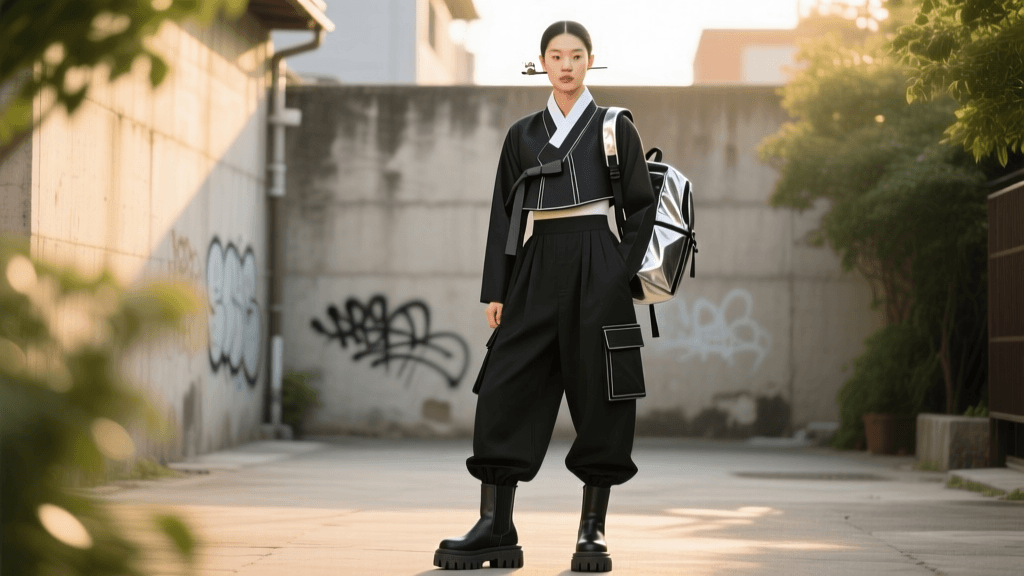
Historically, the kimono was the standard daily attire for all Japanese citizens. Today, its role has shifted dramatically. While everyday wear has largely been replaced by Western clothing, the kimono has experienced a vibrant renaissance as a marker of cultural pride, ceremonial significance, and high fashion. According to The Metropolitan Museum of Art, the structural evolution of the kimono from the Heian period to the modern era reflects not just changes in textile technology, but profound shifts in social hierarchy and gender roles. In 2026, this evolution continues, blending centuries-old weaving techniques with modern sustainability and wearable technology.
Ceremonial Garments: The Realm of Hare
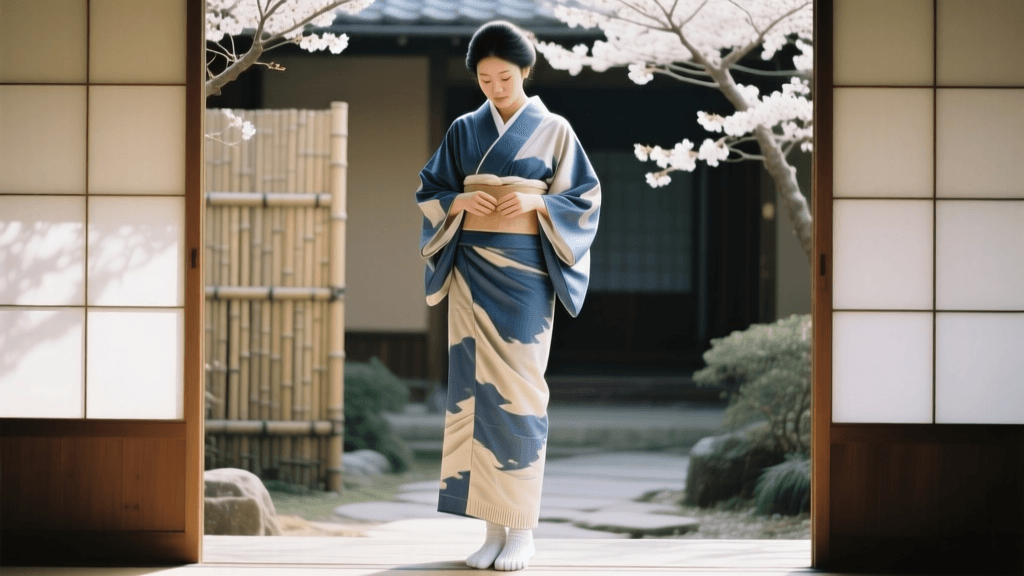
Ceremonial kimono are reserved for life's most significant milestones: coming-of-age ceremonies (Seijin-shiki), weddings, formal tea ceremonies, and high-level diplomatic or cultural events. These garments are characterized by luxurious materials, intricate dyeing techniques, and specific structural elements that denote the wearer's age, marital status, and the formality of the occasion.
Furisode: The Pinnacle of Unmarried Formality
The furisode is the most formal kimono for unmarried women. Its defining feature is its exceptionally long, swinging sleeves, which can measure anywhere from 85 cm to an astonishing 114 cm in length (oh-furisode). In 2026, the average cost of a bespoke, hand-dyed Yuzen silk furisode ranges from ¥400,000 to over ¥1,200,000 (approximately $2,600 to $7,800 USD), reflecting the intense labor required for its creation. The patterns are continuous and highly auspicious, often featuring cranes, pine trees, or flowing water.
Houmongi and Tomesode: Married and Visiting Formality
For married women, or for formal visiting occasions regardless of marital status, the houmongi (visiting wear) and tomesode are the garments of choice. The tomesode is the absolute highest level of formality for married women, typically featuring a solid black background with family crests (kamon) and a stunning, continuous pattern only along the lower hem. The houmongi is slightly less formal but equally breathtaking, featuring patterns that flow seamlessly across the seams of the garment when laid flat. The Victoria and Albert Museum highlights how the seamless flow of patterns in garments like the houmongi represents a masterclass in spatial awareness and textile engineering, a tradition that modern Kyoto artisans continue to perfect today.
Everyday Elegance: The Realm of Ke
The ke category encompasses garments designed for daily wear, casual outings, shopping, and informal gatherings. These kimono prioritize comfort, ease of maintenance, and subtle aesthetics over overt grandeur. In 2026, the everyday kimono market has seen a massive surge in innovation, particularly regarding washable fabrics and sustainable textiles.
Komon and Tsumugi: The Casual Staples
The komon is the quintessential everyday kimono, characterized by a repeating, all-over pattern that does not align across the seams. It is the perfect garment for a casual lunch, a stroll through a museum, or a relaxed tea session. Tsumugi, on the other hand, is a type of pongee silk that is woven from pre-dyed threads, resulting in a rustic, textured, and deeply sophisticated fabric. Despite being made of silk, tsumugi is considered casual due to its historical roots as a peasant fabric. In 2026, a high-quality vintage or newly woven tsumugi kimono typically costs between ¥80,000 and ¥250,000.
The 2026 Washable Revolution
One of the most significant trends in 2026 is the mainstream acceptance of machine-washable silks and advanced polyesters for everyday wear. Modern textile engineers have developed poly-silk blends that mimic the drape, breathability, and luster of traditional tango chirimen (silk crepe) while allowing the wearer to toss the garment into a washing machine. This innovation has drastically lowered the barrier to entry for young professionals in Tokyo and Osaka who wish to incorporate kimono into their weekly wardrobes without the burden of expensive professional cleaning.
Ceremonial vs. Everyday: 2026 Comparison Chart
To help you navigate the complexities of Japanese traditional dress, refer to the comparison table below, which outlines the primary differences between ceremonial and everyday garments in the current market.
| Feature | Ceremonial (Hare) | Everyday (Ke) |
|---|---|---|
| Primary Garments | Furisode, Houmongi, Tomesode, Uchikake | Komon, Tsumugi, Yukata, Modern Washables |
| Fabric Types | Heavy silk crepe, silk brocade, gold leaf | Light silk, cotton, linen, poly-silk blends |
| Pattern Placement | Asymmetrical, continuous across seams, hem-focused | Repeating motifs, scattered prints, all-over patterns |
| Family Crests (Kamon) | 1 to 5 crests (more crests = higher formality) | Zero crests |
| 2026 Avg. Retail Cost | ¥350,000 - ¥1,500,000+ ($2,300 - $10,000+) | ¥40,000 - ¥150,000 ($260 - $1,000) |
| Maintenance | Specialized dry cleaning only; high cost | Spot cleaning, home wash (for modern synthetics) |
The Art of the Obi: Matching the Sash to the Occasion
A kimono is never complete without its obi (sash), and the rules governing obi selection are just as stringent as those for the kimono itself. For ceremonial wear, the maru obi or fukuro obi is mandatory. These are heavily brocaded, often woven with real gold and silver threads in the Nishijin district of Kyoto. A formal fukuro obi in 2026 can easily cost as much as the kimono itself, often exceeding ¥500,000. They are tied in elaborate, sculptural knots, such as the taiko musubi or the dramatic fukura-suzume.
Conversely, everyday kimono are paired with a nagoya obi or a hanhaba obi. The nagoya obi is pre-folded and stitched to make tying the standard drum knot significantly easier for the wearer, while the hanhaba obi is a narrow, casual sash often used with summer cotton yukata or playful wool komon. In 2026, upcycled vintage obi are incredibly popular for everyday styling, allowing wearers to mix historical textiles with modern, casual kimono for a unique, eclectic look.
Sizing, Fitting, and 2026 Tailoring Standards
Unlike Western clothing, kimono are not tailored to fit the exact contours of the body. Instead, they are constructed from straight bolts of fabric (tanmono) and adjusted to the wearer through the art of kitsuke (dressing). However, specific measurements must align with the wearer's body for the garment to look elegant.
- Mitake (Body Length): The ideal length is roughly the wearer's height plus 10 to 15 cm to allow for the ohashori (the fold tucked at the waist). Standard vintage kimono often cater to heights around 150-155 cm, making modern, taller wearers seek out bespoke or altered pieces.
- Yuki (Sleeve Length): Measured from the center of the back of the neck to the wrist. In 2026, many high-end boutiques in Tokyo utilize 3D body scanning to determine the exact yuki and shoulder drop, ensuring that custom-ordered kimono drape perfectly without restricting arm movement.
- Hip and Waist Adjustments: While the width of a standard kimono panel is roughly 36 cm, modern artisans use hidden inner panels and strategic padding during the dressing process to create the ideal cylindrical silhouette required for the obi to sit flush against the body.
Where to Source: Buying vs. Renting in 2026
For tourists and expatriates living in Japan, the decision to buy or rent depends heavily on the occasion. If you are attending a formal wedding or a graduation ceremony, renting is the most pragmatic choice. In 2026, premium rental salons in Kyoto's Higashiyama district and Tokyo's Asakusa offer full ceremonial packages—including a furisode or houmongi, formal obi, undergarments (juban), zori sandals, and professional dressing services—for approximately ¥25,000 to ¥45,000 per day.
For everyday wear, purchasing is highly recommended. The secondary market for vintage kimono is booming, with specialized online auction houses and physical thrift stores in Tokyo's Otsuka neighborhood offering stunning, mid-century silk komon and tsumugi for as little as ¥5,000 to ¥15,000. When buying vintage, always inspect the collar and hem for stains, and check the silk for 'shattering' (brittle degradation). Alternatively, modern retailers like Kimono Yamato and various independent Etsy-based artisans offer brand-new, washable everyday kimono that cater to contemporary tastes and global sizing requirements.
'The beauty of the kimono lies not just in its silk and thread, but in its ability to tell the story of the wearer's life stage, the season, and the occasion. To wear it correctly is to participate in a living, breathing dialogue with history.' — Master Artisan of Nishijin-ori, Kyoto, 2026.
Conclusion
Whether you are draping yourself in the heavy, gold-threaded brocade of a ceremonial tomesode or slipping into a breezy, washable komon for a weekend market visit, the Japanese kimono offers an unparalleled sartorial experience. By understanding the vital distinctions between hare and ke, you ensure that your attire is not only aesthetically stunning but culturally resonant. As textile innovations continue to push the boundaries of what a kimono can be in 2026, this ancient garment remains a dynamic, evolving cornerstone of Asian traditional fashion.