Comprehensive Japanese Haori and Kimono Style Guide 2026
The Renaissance of Wafuku in 2026
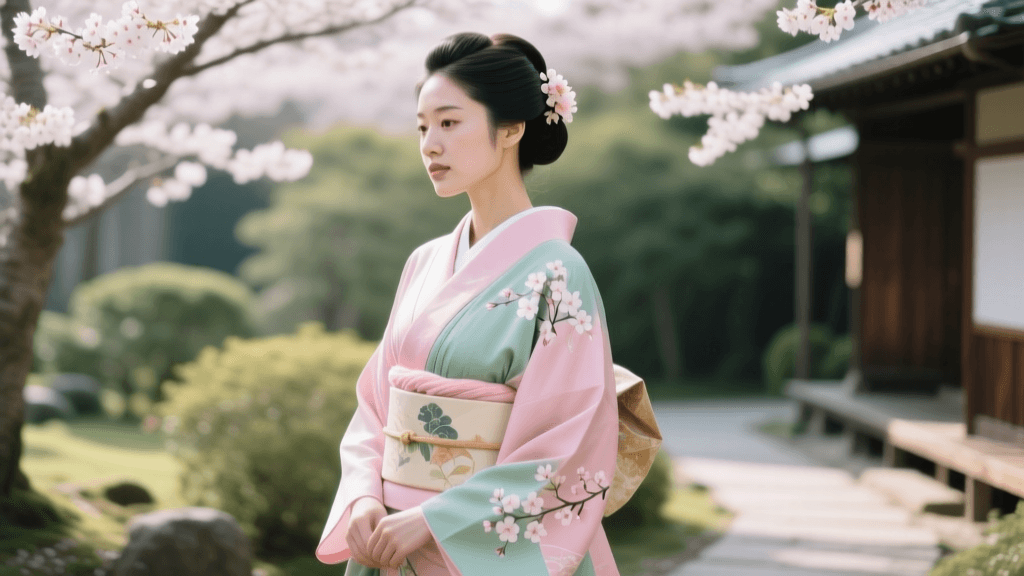
In 2026, the global fashion landscape has witnessed a profound and respectful renaissance of Wafuku (traditional Japanese clothing). No longer confined strictly to ceremonial occasions or tourist rentals in Kyoto, garments like the kimono and haori have been seamlessly integrated into contemporary, sustainable wardrobes worldwide. This shift is driven by a growing consumer demand for artisanal craftsmanship, zero-waste pattern cutting, and garments that carry deep cultural narratives. According to the Victoria and Albert Museum's extensive archives on Japanese dress, the kimono's T-shaped, straight-seamed construction represents a masterclass in textile preservation and modular styling, a philosophy that resonates deeply with the slow fashion movement of the mid-2020s.
This comprehensive guide explores the intricate layering of the kimono and haori, the modern evolution of tabi footwear, and how to authentically style these traditional garments for contemporary life in 2026.
Understanding the Core Layers: Kimono and Juban
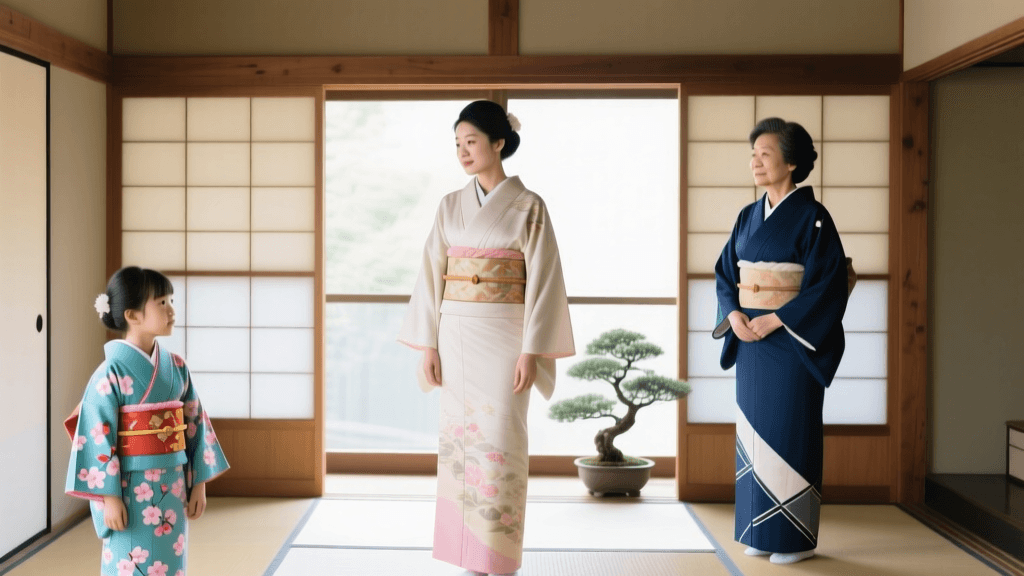
The foundation of Japanese traditional styling lies in its layering system. The Kimono is the primary outer robe, cut from a single bolt of fabric known as a tanmono. In 2026, vintage kimono from the Taisho (1912-1926) and early Showa eras are highly prized for their bold, art-deco-inspired Meisen silk patterns. Because vintage kimono are often shorter in length due to historical average heights, modern styling frequently embraces the ohashori (the waist fold) as a deliberate, exaggerated styling choice rather than a strict measurement correction.
Beneath the kimono lies the Juban, an undergarment that protects the precious outer silk from body oils and sweat. In 2026, the market has seen a surge in high-performance, moisture-wicking synthetic Juban that mimic the crisp feel of traditional hemp and cotton but offer the convenience of machine washing. The most visible part of the Juban is the Haneri (the decorative collar). Swapping out a heavily embroidered vintage Haneri for a minimalist, modern linen one is a popular 2026 styling hack that instantly updates a traditional kimono for casual streetwear.
The Haori: From Formal Wear to Streetwear Staple
The Haori is a hip- or thigh-length jacket worn open over the kimono. Historically reserved for men and later adopted by women in the Edo period, the Haori has become the most accessible entry point into Wafuku for international fashion enthusiasts. Unlike the kimono, the Haori does not require an obi (sash) to keep it closed; it is secured at the front by two braided cords called Haori Himo.
Styling the Haori in 2026
- The Casual Contrast: Pair a vintage, brightly lined silk Haori with a plain organic cotton turtleneck, wide-leg denim, and leather boots. The juxtaposition of the fluid silk against structured denim is a hallmark of 2026 Tokyo street style.
- The Formal Layer: For formal events, a solid black Kurotomesode Haori with subtle family crests (Mon) is worn over a patterned kimono. The Haori Himo in 2026 often feature modern materials like recycled metallic threads or 3D-printed ceramic clasps, replacing traditional braided silk.
- The Summer Solution: During the humid summers, sheer Ro or Sha (leno-weave) Haori are layered over simple camisoles and linen trousers, providing UV protection and a striking silhouette without the heat retention of full silk robes.
Footwear Foundations: Tabi, Zori, and Geta
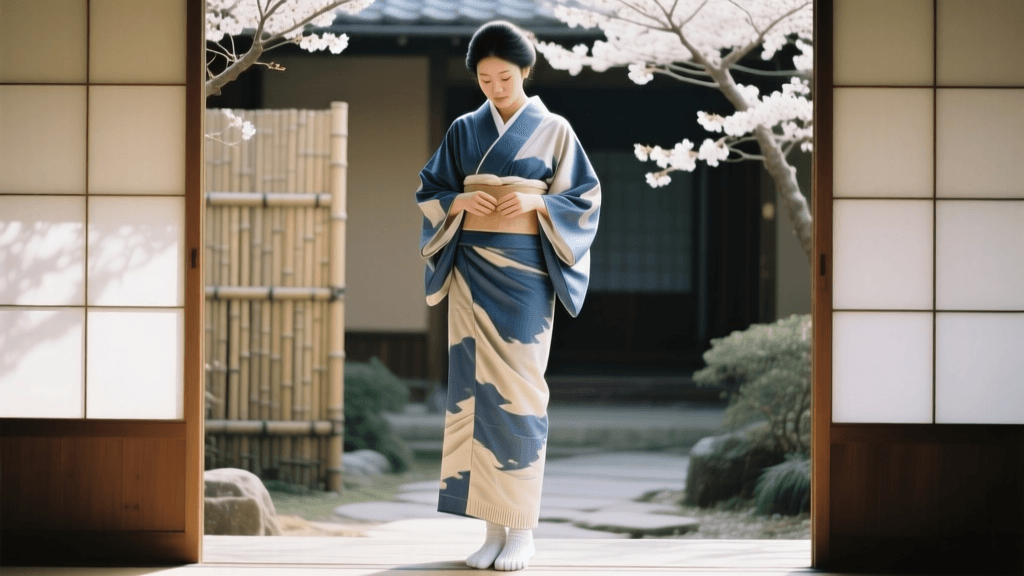
No Japanese fashion ensemble is complete without its specific footwear ecosystem. The Tabi sock, characterized by its split-toe design, was originally created to accommodate the thong of traditional sandals. In 2026, the Tabi has transcended its traditional roots, heavily influenced by high-fashion houses and avant-garde sneaker collaborations.
While traditional cotton Tabi fastened with metal kohaze clasps remain essential for formal tea ceremonies and weddings, everyday styling in 2026 favors stretch-knit Tabi socks made from sustainable bamboo fibers. These are frequently paired with modern iterations of the Zori (flat, thonged sandals). Historically made with tatami-omote (woven rush grass), 2026 Zori often utilize ergonomic EVA-foam bases wrapped in recycled textile scraps, offering the arch support necessary for walking on modern concrete while maintaining the traditional aesthetic.
For a more grounded, architectural look, the Geta (wooden clogs) remains a staple for summer festivals (Matsuri). Modern Geta makers in 2026 are experimenting with lightweight, sustainably harvested Paulownia wood and adjustable velvet hanao (thongs) to prevent the blisters historically associated with rigid wooden footwear.
The 2026 Styling Matrix: Pairing Garments with Footwear
| Occasion | Primary Garment | Outer Layer (Haori) | Footwear | 2026 Styling Note |
|---|---|---|---|---|
| Casual Daywear | Wool or Cotton Kimono | None or Cropped Denim Haori | Stretch-Knit Tabi with Leather Sneakers | Mix traditional silhouettes with modern ergonomic soles. |
| Summer Festival | Yukata (Cotton) | Sheer Ro Haori | Barefoot-style Tabi with Lightweight Geta | Opt for adjustable velvet hanao for all-day comfort. |
| Formal Evening | Crepe Silk (Chirimen) Kimono | Brocade Haori with Metallic Himo | White Cotton Tabi with Woven Rush Zori | Ensure the Haneri collar is stark white and heavily embroidered. |
| Winter Streetwear | Vintage Meisen Kimono | Heavy Tsumugi Silk Haori | Thick Wool Tabi with EVA-Foam Zori | Layer with a modern turtleneck beneath the Juban. |
Sustainability and Preservation of Traditional Crafts
The allure of Wafuku in 2026 is inextricably linked to the global push for sustainable fashion. The production of authentic Japanese silk involves centuries-old techniques that prioritize longevity over fast-fashion turnover. Traditional weaving methods, such as Yuki-tsumugi, are highly labor-intensive, resulting in textiles that can last for generations. Recognizing the vital importance of these methods, UNESCO's Intangible Cultural Heritage registry continues to safeguard these practices, ensuring that the knowledge is passed down to new generations of artisans in an increasingly automated world.
For collectors and stylists, preserving vintage garments has also evolved. In 2026, specialized Kyoto-based dry cleaners utilize ozone-based odor removal and digital textile mapping to restore fragile Taisho-era silks without the harsh chemicals that degrade protein fibers. When sourcing vintage pieces, platforms verified by the Japan National Tourism Organization's traditional crafts network offer authenticated pieces, ensuring that buyers are supporting legitimate heritage preservation rather than mass-produced knock-offs.
Obi Knots and the Art of Accessorizing
The Obi is the wide sash that secures the kimono, and its knot (Musubi) communicates the wearer's age, marital status, and the formality of the event. In 2026, while traditional knots like the Otaiko Musubi (a smooth, drum-like knot worn by married women) remain standard for formal wear, younger generations are popularizing the Bunko Musubi (a large, bow-like knot) in unconventional ways.
Accessories play a pivotal role in modernizing the look. The Obijime (a decorative cord tied over the obi) and Obidome (a small ornamental clasp) are prime areas for personal expression. Contemporary Japanese jewelers in 2026 are crafting Obidome from upcycled electronic waste, polished resin, and lab-grown gems, creating a striking dialogue between ancient textile arts and futuristic materials.
Conclusion: Embracing Japanese Fashion Heritage
Styling the kimono, haori, and tabi in 2026 is not about rigid adherence to historical rules, but rather a deep, respectful understanding of the garments' architecture and cultural weight. By combining the zero-waste brilliance of the tanmono cut with modern sustainable textiles and ergonomic footwear adaptations, today's fashion enthusiasts can honor Japanese heritage while forging a distinctly contemporary aesthetic. Whether you are draping a vintage Meisen haori over a minimalist wardrobe or stepping out in ergonomic Zori, you are participating in a living, breathing tradition that continues to shape the global fashion narrative.