Kimono Ceremonies 2026: Birth, Coming-of-Age & Memorials
Navigating Life's Milestones: The 2026 Kimono Ceremony Guide
In Japanese culture, the kimono is far more than a beautiful garment; it is a profound visual language that communicates respect, transition, and familial bonds. As we move through 2026, the revival of multi-generational family ceremonies has brought traditional garments back to the forefront of domestic life. Whether welcoming a newborn to the local shrine, celebrating a young adult's transition into society, or honoring ancestors during solemn memorial services, selecting the appropriate kimono requires an understanding of strict sartorial rules, seasonal motifs, and modern market trends. This comprehensive guide explores the specific kimono traditions for birth, Coming-of-Age, and memorial ceremonies, offering actionable advice for families navigating these pivotal moments in 2026.
Hatsumiyamairi: Birth and the First Shrine Visit
Hatsumiyamairi (also known as Omiyamairi) is a deeply rooted Shinto tradition where parents bring their newborn to a shrine to express gratitude for the child's birth and pray for their health and protection. Traditionally occurring around the 30th day for boys and the 31st to 33rd day for girls, this ceremony marks the infant's formal introduction to the community and the kami (spirits).
The Baby's Ceremonial Garments
The infant is traditionally dressed in an ubugi (a white silk or cotton under-kimono symbolizing purity), layered beneath an iwai-gi (celebration outer garment). For the 2026 ceremony season, families are increasingly opting for sustainably sourced silk rentals rather than purchasing new garments that the child will quickly outgrow. The iwai-gi is heavily adorned with auspicious motifs. Boys typically wear garments featuring hawks, tigers, or pine trees, symbolizing strength and longevity. Girls are dressed in vibrant peonies, butterflies, or cherry blossoms, representing beauty and grace. The baby is usually carried by the paternal grandmother, who drapes the baby's kimono over her own formal attire.
Parent and Grandparent Attire
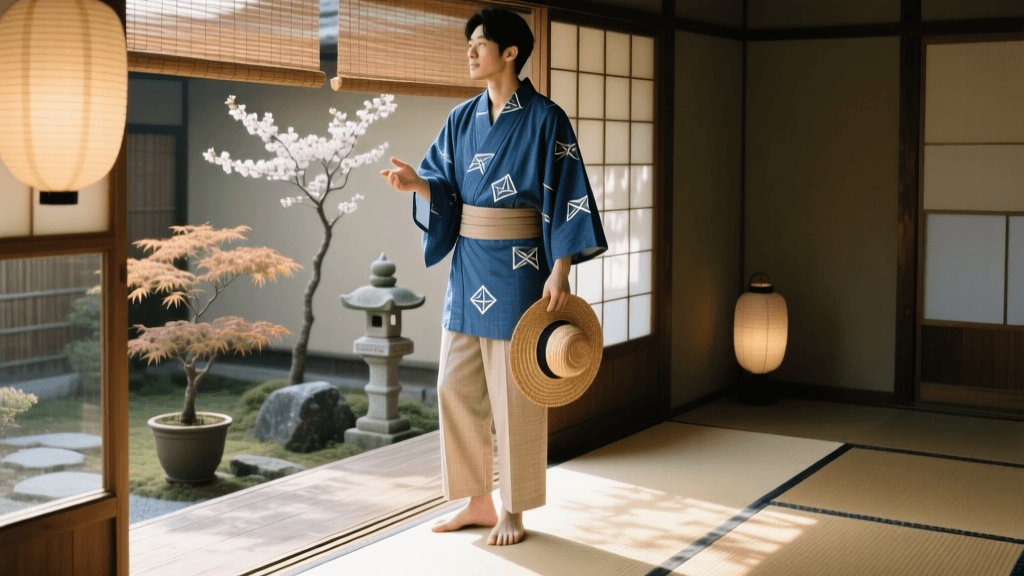
The adults accompanying the infant must adhere to formal dress codes. Mothers and grandmothers typically wear a houmongi (visiting kimono) or an iromuji (solid-colored kimono with one to three family crests). In 2026, soft pastel iromuji in shades of sage green, dusty rose, and pale wisteria are highly sought after for spring and autumn shrine visits. Fathers and grandfathers traditionally wear a montsuki hakama—a black or dark navy silk kimono bearing five family crests, paired with formal striped hakama trousers. According to comprehensive cultural resources like Japan Guide's Kimono Overview, maintaining the correct hierarchy of formality among the adults ensures the ritual respect demanded by the shrine.
Seijin-no-Hi: The Coming-of-Age Ceremony
Held annually on the second Monday of January, Seijin-no-Hi celebrates young adults who have reached the age of majority (which officially transitioned to 18 in Japan, though many municipalities still celebrate those turning 20 with traditional garments). This vibrant mid-winter festival is the most visually spectacular of all Japanese family ceremonies.
2026 Furisode Trends for Women
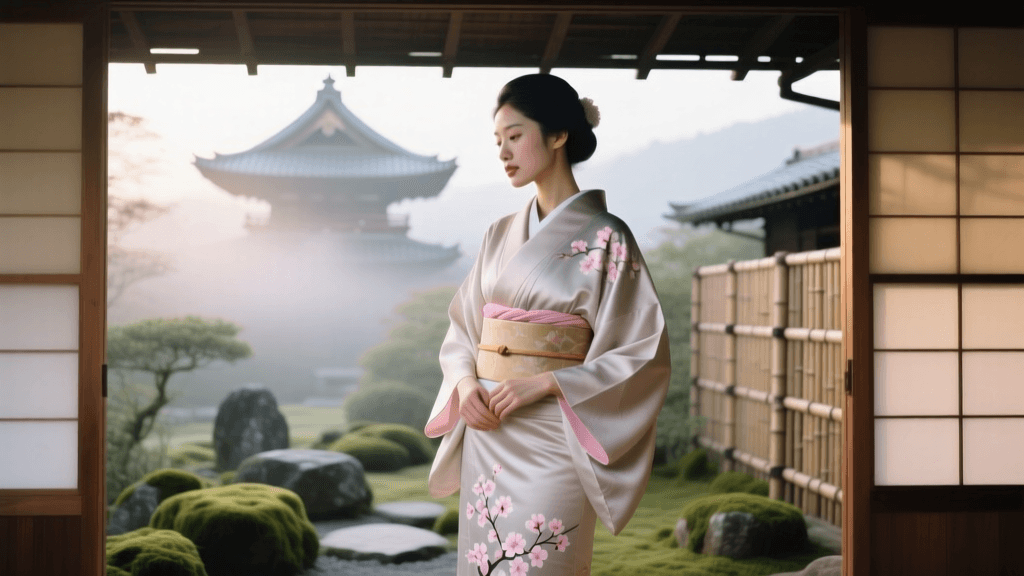
Unmarried women wear the furisode, a highly formal kimono characterized by its long, swinging sleeves (ranging from 100 to 114 centimeters). The furisode is the pinnacle of youth fashion in traditional wear. In 2026, the market has seen a massive shift toward upcycled vintage silks from the Taisho and early Showa eras. Young women are pairing bold, antique Yuzen-dyed furisode with modern, minimalist obi accessories, such as matte leather obi-jime (cords) and contemporary glass obi-dome (brooches). A full premium furisode rental package in Tokyo, including professional dressing and photography, averages between ¥45,000 and ¥65,000 in 2026. It is critical to book these packages by August of the preceding year, as popular studios and designers sell out months in advance.
Men's Hakama and Haori
While many young men opt for Western suits in 2026, those who choose traditional attire wear a montsuki haori hakama. The ensemble consists of a dark silk kimono (usually black, navy, or deep charcoal) adorned with five family crests, a formal haori (jacket) featuring a white and silver haori-himo (braided cord), and a stiff, pleated hakama in grey or navy stripes. The formality of the men's attire is anchored by the crests; five crests denote the highest level of respect for the societal transition being celebrated. For detailed scheduling and municipal variations of this national holiday, the Japan Guide National Holidays database remains an essential planning tool for families coordinating travel and ceremony attendance.
Mofuku and Memorial Services: Honoring the Departed
At the opposite end of life's spectrum are the solemn rituals of mourning. Japanese funeral and memorial customs require strict adherence to sartorial rules, where the kimono serves as a visual expression of grief, respect, and the passage of time since the loved one's passing.
The Rules of Mofuku (Full Mourning)
For the funeral and the immediate 49-day mourning period, immediate family members wear mofuku. Mofuku is a plain, unpatterned black silk kimono bearing five family crests (itsutsu-mon). The under-kimono (juban) is also stark white, and the obi is solid black. Accessories must be entirely matte; shiny fabrics, gold threads, or bright metals are strictly forbidden. In 2026, while Western black mourning dresses are common for distant relatives, the immediate family (especially the widow and adult daughters) still heavily rely on mofuku to signal their primary role in the rites. Because mofuku is rarely worn outside of funerals, most families in 2026 utilize specialized mourning rental services or borrow from elder relatives rather than purchasing new silk sets.
Ryaku-Mofuku for Later Memorials (Obon and Anniversaries)
As time passes, the strictness of the mourning attire relaxes. For the 1st, 3rd, 7th, and subsequent death anniversaries, as well as the summer Obon season when ancestral spirits are believed to return home, families transition to ryaku-mofuku (simplified mourning). Women wear an iromuji in subdued, dark shades such as deep navy, charcoal grey, or muted purple, bearing one or three family crests. The obi is silver, grey, or dark purple, woven with subtle, non-reflective patterns. Men wear a dark iromuji or a subdued striped kimono with a black or dark grey hakama. This transition in color reflects the gradual easing of acute grief into enduring remembrance.
2026 Ceremony Kimono Comparison & Planning Chart
To help families budget and plan, the following table outlines the core requirements and estimated 2026 market costs for major ceremonial garments.
| Ceremony | Primary Garment | Crests (Mon) | Obi Style | 2026 Est. Rental Cost (JPY) |
|---|---|---|---|---|
| Hatsumiyamairi (Baby) | Iwai-gi over Ubugi | None / 1 | N/A (Tied by carrier) | ¥10,000 - ¥15,000 |
| Hatsumiyamairi (Mother) | Houmongi / Iromuji | 1 to 3 | Fukuro Obi | ¥15,000 - ¥25,000 |
| Seijin-no-Hi (Women) | Furisode | None / 3 | Fukuro Obi | ¥45,000 - ¥65,000 |
| Seijin-no-Hi (Men) | Montsuki Haori Hakama | 5 | Kaku Obi | ¥15,000 - ¥25,000 |
| Funeral (Immediate Family) | Mofuku | 5 | Black Maru/Fukuro | ¥15,000 - ¥20,000 |
| Obon / Anniversaries | Ryaku-Mofuku (Iromuji) | 1 to 3 | Grey/Silver Fukuro | ¥10,000 - ¥18,000 |
Essential Accessories and 2026 Weather Adaptations
A kimono is never worn alone; it is a complex system of layers and accessories. For all formal ceremonies, the zori (formal sandals) and tabi (split-toe socks) must match the formality of the garment. White tabi are mandatory for Seijin-no-Hi, shrine visits, and funerals. In 2026, thermal-lined tabi have become a staple for young women braving the freezing January weather during Coming-of-Age Day, allowing them to maintain traditional aesthetics without sacrificing comfort.
Similarly, the undergarments have seen technological upgrades. Modern hadajuban (undershirts) and susoyoke (slips) made from moisture-wicking, temperature-regulating synthetic blends are now standard beneath heavy silk kimono. For summer Obon memorial services, breathable linen-blend juban help prevent heat exhaustion while maintaining the strict, modest silhouettes required by mourning etiquette. When selecting a kimono for a summer memorial, ensure the fabric is ro or sha (summer gauze weaves), which are the only acceptable textiles for formal wear between July and August.
Booking Timelines and Etiquette Tips
If you are planning to participate in these ceremonies in 2026, advance preparation is vital. For Seijin-no-Hi, hair salon appointments and kimono dressing slots must be secured by September of the prior year. Many salons begin styling as early as 4:00 AM on the day of the ceremony. For Hatsumiyamairi, because the date is dictated by the infant's birth, families should maintain a list of trusted local kimono rental shops that offer expedited, short-notice bookings. Finally, when attending a funeral, it is considered highly inappropriate to wear a wedding ring or any flashy jewelry; the focus must remain entirely on the solemnity of the mofuku and the memory of the deceased. By respecting these intricate rules, families ensure that the kimono continues to serve as a beautiful, living bridge between Japan's ancestral past and its future generations.