Yukata and Jinbei: The Ultimate Guide to Casual Japanese Summer Wear
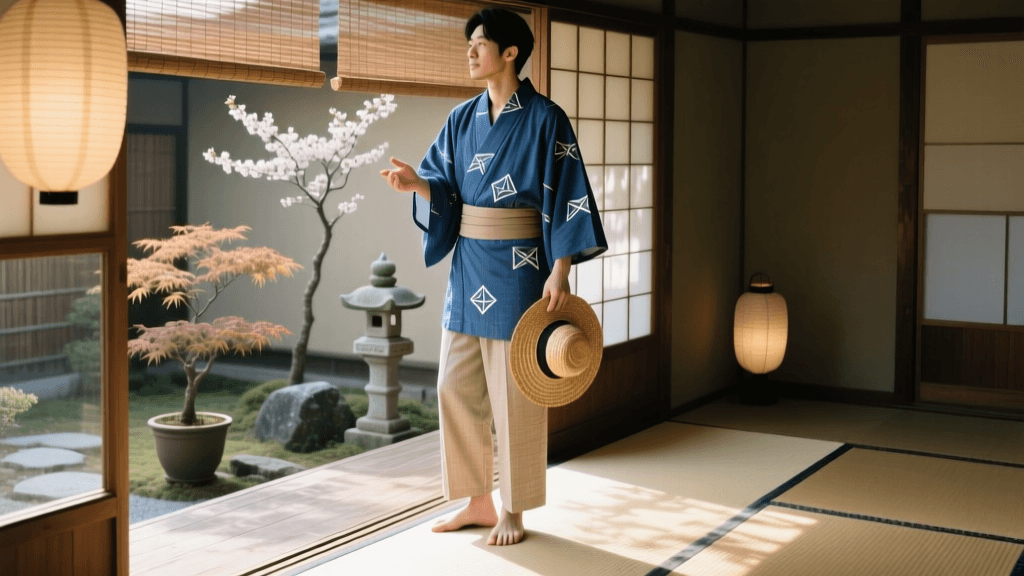
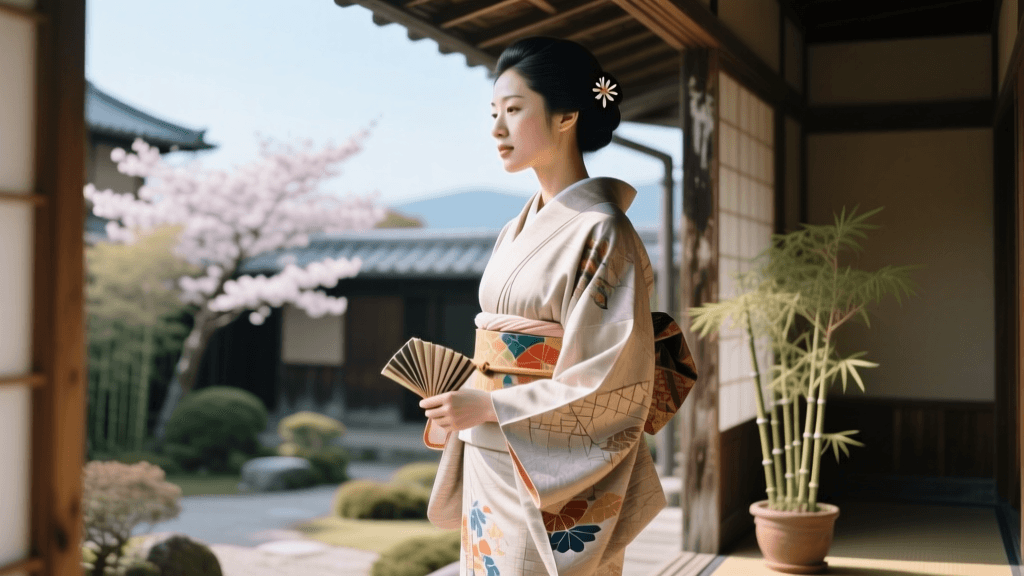
When the humid heat of the Japanese summer sets in between June and September, the everyday wardrobe undergoes a distinct cultural shift. Heavy silks and layered formal wear are packed away, replaced by breathable, lightweight cottons and linens. For locals and travelers alike, the yukata and jinbei represent the pinnacle of everyday and casual traditional wear. These garments are not merely historical artifacts; they are living, breathing components of modern Japanese life, worn at summer festivals (matsuri), fireworks displays (hanabi), and as comfortable loungewear at home or in ryokan (traditional inns).
The Shift from Formal to Everyday Casual
Historically, the yukata (literally "bathing cloth") originated as a simple linen robe worn by nobles after bathing. Over the centuries, particularly during the Edo period (1603–1867), it evolved into the casual cotton summer kimono we recognize today. According to the Victoria and Albert Museum, the democratization of cotton and the relaxation of sumptuary laws allowed commoners to adopt and embellish these garments, turning everyday wear into a canvas for personal expression. Today, the yukata bridges the gap between ancient tradition and contemporary street fashion, offering an accessible entry point into Japanese sartorial culture without the strict rules governing formal silk kimono.
Yukata vs. Jinbei: Choosing Your Summer Garment
While both garments serve the purpose of keeping the wearer cool, their construction, use cases, and styling differ significantly. Below is a practical comparison to help you choose the right casual wear for your summer activities.
| Feature | Yukata | Jinbei |
|---|---|---|
| Construction | T-shaped, full-length wrapped robe (single piece) | Two-piece set (short-sleeve top and shorts/pants) |
| Primary Use | Festivals, fireworks, casual streetwear, ryokan | Loungewear, local neighborhood errands, sleeping |
| Gender Norms | Worn by all genders; patterns dictate formality | Traditionally male/children, now widely unisex |
| Footwear Pairing | Geta (wooden clogs) or Setta (woven sandals) | Barefoot, sandals, or casual sneakers |
| Dressing Time | 10–15 minutes (requires tying and tucking) | 1–2 minutes (pull-on with drawstrings) |
Practical Guide: Sizing, Measurements, and Fit
Unlike Western clothing, which relies on standardized S/M/L sizing based on chest and waist measurements, traditional Japanese garments are sized primarily by height and arm span. Understanding these measurements is crucial for a proper, comfortable fit.
How to Measure for a Yukata
The two most important measurements for a yukata are Take (garment length) and Yuki (sleeve length from the center back of the neck to the wrist).
- Take (Length): Ideally, the take should be equal to your height. However, for modern casual wear, a slightly shorter length (height minus 5 cm) is acceptable and prevents tripping.
- Yuki (Sleeve): The standard formula is
(Height x 0.55) + 2 cm. For a person who is 170 cm tall, the ideal Yuki is approximately 95 cm. - The Ohashori (Waist Tuck): Women traditionally fold excess length at the waist to create a tuck called the ohashori. If buying a pre-tailored or vintage yukata, ensure there is enough fabric to create a 5–8 cm tuck. Men do not wear an ohashori; their yukata are tied lower on the hips and worn at exact full length.
Jinbei Sizing and Adjustability
Jinbei are much more forgiving. They typically come in standard letter sizes (S, M, L, LL). The top features a wrap-front tie, and the shorts have an elastic or drawstring waist. When purchasing online, focus on the inseam and shoulder width measurements provided by the retailer, as the wrap design accommodates various chest and waist sizes.
Materials and Fabrics for Everyday Comfort
The secret to surviving Japan's oppressive summer humidity lies in the textile. The Metropolitan Museum of Art notes that the transition to cotton was a pivotal moment in Japanese dress, allowing for washable, breathable everyday garments.
- Standard Cotton: The most common and affordable. Look for double-layered gauze (double gauze) for extreme softness.
- Shijira-ori: A traditional weaving technique from Tokushima that creates a textured, crepe-like surface. The bumps prevent the fabric from clinging to sweaty skin, making it highly prized for high-end casual yukata and jinbei.
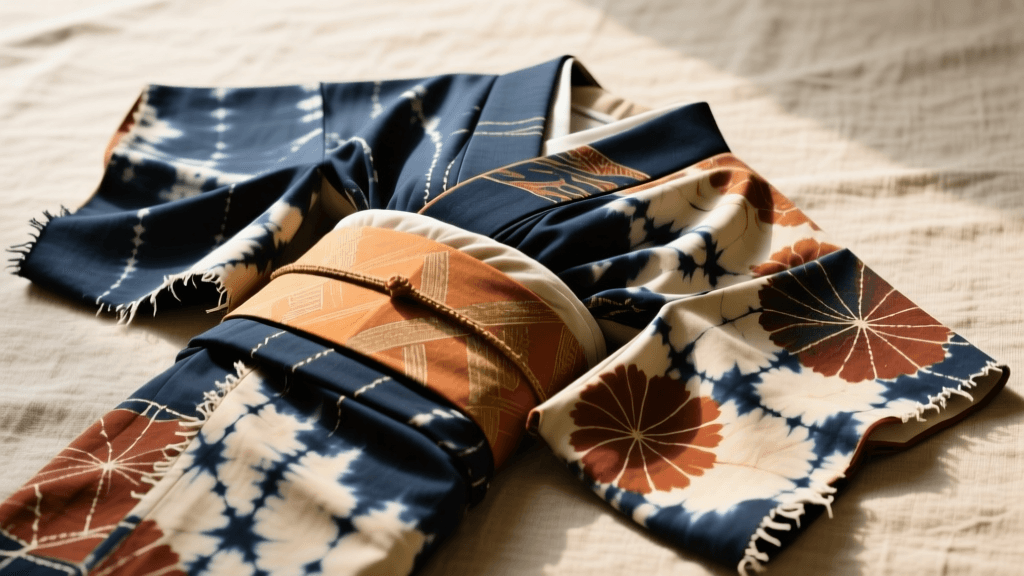
- Arimatsu-Narumi Shibori: A centuries-old tie-dye technique. Genuine shibori is incredibly labor-intensive and creates beautiful, breathable micro-textures. Authentic pieces are an investment but offer unparalleled elegance for summer festivals.
- Linen Blends: Increasingly popular in modern jinbei, offering a crisp drape and superior moisture-wicking properties.
Cost Breakdown: What to Expect When Buying
The market for casual traditional wear caters to every budget, from fast-fashion convenience to artisanal craftsmanship. Here is a practical cost guide (prices estimated in JPY and USD).
Budget vs. Artisanal Pieces
- Fast Fashion / Department Store Brands (¥3,000 – ¥8,000 / $20 – $55): Brands like Uniqlo, Muji, and mass-market kimono chains offer polyester-cotton blends or basic printed cottons. These are machine-washable, wrinkle-resistant, and perfect for beginners or single-use festival wear.
- Mid-Range Specialty Boutiques (¥10,000 – ¥30,000 / $70 – $200): Here you will find 100% high-quality cotton, traditional shijira-ori weaves, and natural indigo dyes. These pieces breathe exceptionally well and last for decades if cared for properly.
- Artisanal / Vintage Shibori (¥40,000 – ¥100,000+ / $270 – $680+): Hand-dyed Arimatsu shibori or vintage silk-blend summer robes. These are collector's items and heirloom-quality casual wear.
Care and Maintenance for Longevity
One of the greatest advantages of everyday cotton yukata and jinbei over formal silk kimono is their ease of care. However, proper maintenance ensures the fabrics retain their shape and color.
Always wash cotton yukata and jinbei in cold water using a mild, neutral detergent. Avoid bleach, which destroys natural indigo dyes. To prevent deep wrinkles, do not wring the fabric; instead, roll it in a towel to absorb excess water, then hang it on a wide, padded hanger in the shade. Direct sunlight will fade traditional dyes rapidly.
For storage, fold the garments using the traditional flat-folding method (hon-datami) to align the seams. This prevents permanent creases and allows the garments to be stacked neatly in a drawer with a cedar block or silica gel packet to deter moisture and insects.
Modern Styling: Wearing Traditional Garments Today
Styling a yukata for a modern summer outing requires a few essential accessories to complete the look and ensure functionality.
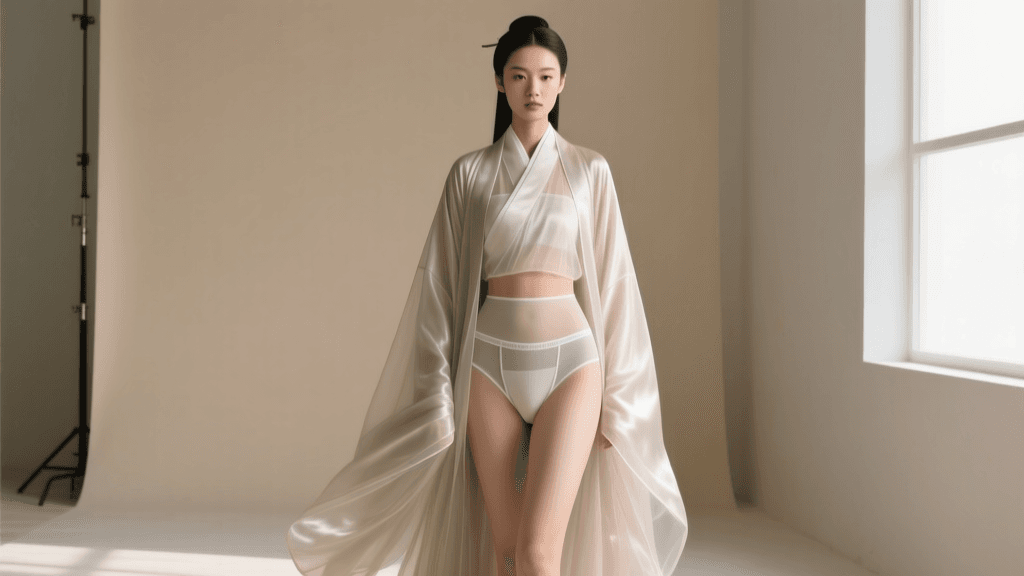
- Undergarments: Never wear a yukata directly over bare skin or standard Western underwear, as the cotton can become translucent when wet from sweat. Wear a lightweight, moisture-wicking hadajuban (traditional slip) or a dedicated camisole and bicycle shorts.
- Ties and Belts: You will need at least two koshihimo (thin cotton waist ties) to secure the garment, and a datejime (wide elastic belt) to smooth the torso. For the outer belt, women often opt for a reversible, pre-tied tsuke-obi for convenience, while men wear a simple, narrow kaku-obi tied at the hip.
- Footwear: Pair your outfit with geta (wooden clogs) for the classic festival sound and look. If you anticipate a lot of walking, opt for setta (woven bamboo and leather sandals), which offer a flexible sole and arch support. Always wear tabi (split-toe socks) with setta, though bare feet are standard for geta.
- Accessories: Carry a kinchaku (drawstring pouch) for your phone and wallet, as yukata lack pockets. A folding sensu (fan) is both a stylish prop and a practical necessity for the humid weather.
Conclusion
The yukata and jinbei are testaments to the adaptability of Japanese traditional clothing. They prove that heritage garments do not have to be relegated to museums or rigid, once-in-a-lifetime ceremonies. By understanding the proper measurements, selecting breathable textiles, and embracing modern styling techniques, anyone can integrate these beautiful, functional garments into their everyday summer wardrobe. Whether you are strolling through a local matsuri or simply enjoying a quiet evening on the porch, casual Japanese summer wear offers an unmatched blend of cultural richness and everyday comfort.