2026 Kimono Guide: Birth, Coming-of-Age & Memorial Ceremonies
The Enduring Legacy of Ceremonial Kimono in 2026
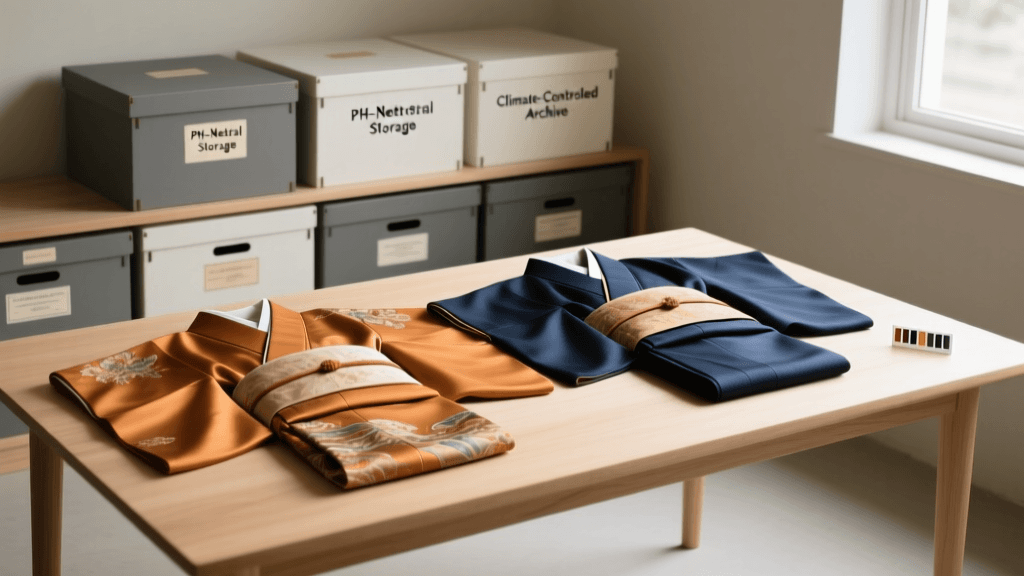
The kimono is far more than a traditional garment; it is a wearable archive of Japanese family history, marking the most profound milestones of human life. As we navigate 2026, the intersection of heritage preservation and modern convenience has transformed how families approach ceremonial dress. While the core silhouettes and symbolic motifs remain unchanged, today's market offers advanced sustainable silks, climate-adaptive undergarments, and streamlined rental services that make participating in these ancient traditions more accessible than ever.
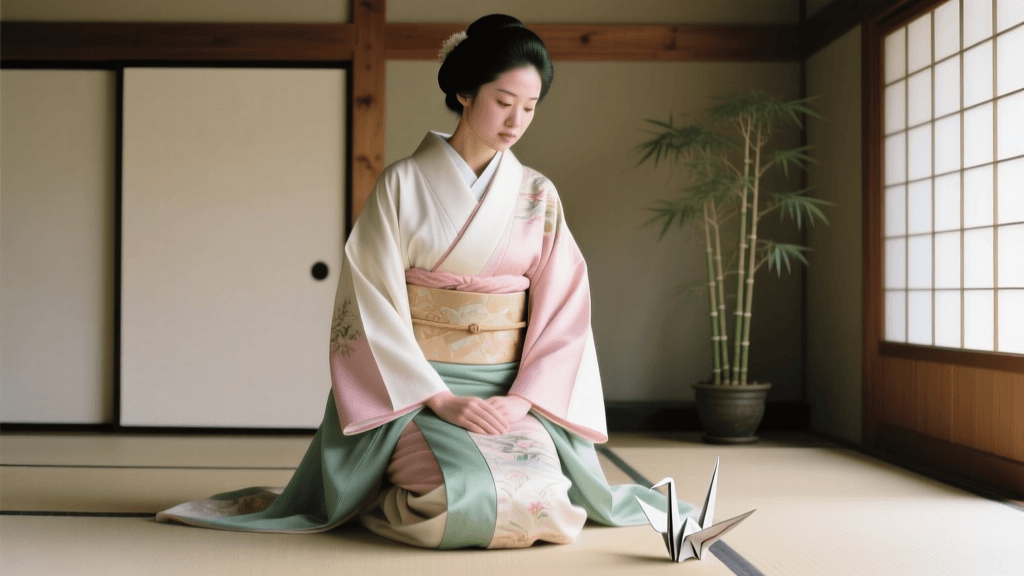
Whether you are preparing for a newborn's first shrine visit, celebrating a young adult's coming-of-age, or honoring ancestors during memorial rites, understanding the strict sartorial rules of formality is essential. According to the Agency for Cultural Affairs, Government of Japan, the transmission of intangible cultural properties—including the intricate art of silk weaving and kitsuke (kimono dressing)—relies heavily on the continued use of these garments in life-cycle ceremonies. This comprehensive 2026 guide breaks down the specific kimono types, etiquette, and costs for Japan's three major family milestones.
Omiyamairi: The First Shrine Visit (Birth)
Omiyamairi (宮参り) is a joyous Shinto tradition that takes place approximately 30 to 33 days after a baby is born. The family visits their local ujigami (tutelary deity) to express gratitude for a safe delivery and to pray for the child's health and longevity.
Garments for the Baby
Traditionally, the newborn is dressed in a pure white under-kimono and draped with an ubugi (産着), a celebratory outer kimono featuring bold, auspicious motifs. In 2026, many families are opting for modernized, lightweight silk-blend ubugi that reduce the physical strain on the infant while maintaining the traditional visual impact. Popular motifs include cranes (longevity), pine trees (resilience), and treasure ships (prosperity). For parents seeking a contemporary twist, high-end department stores now offer kimono-style rompers with detachable ceremonial collars, priced between ¥15,000 and ¥35,000.
Garments for the Mother and Grandmother
The adult women accompanying the baby must strike a balance between high formality and the practicalities of postpartum comfort. The most appropriate choices are:
- Homongi (訪問着): A highly formal 'visiting kimono' featuring continuous patterns that flow across the seams. It is the gold standard for Omiyamairi.
- Tsukesage (付け下げ): A slightly more subdued alternative to the Homongi, featuring patterns that do not cross the seams. It is perfectly acceptable and often preferred for its elegant modesty.
- Iromuji (色無地): A solid-colored kimono with one to three family crests. When paired with a festive gold or silver obi, it serves as an excellent, understated option for mothers recovering from childbirth.
2026 Tip: Avoid overly heavy brocade obi belts. Modern kitsuke stylists recommend using lightweight, woven fukuro obi with adjustable velcro-assisted inner ties to ensure the mother remains comfortable while holding the infant.
Seijin-shiki: Coming-of-Age Ceremonies
Held annually on the second Monday of January, Seijin-shiki (成人式) celebrates young adults reaching the age of majority. Following the revision of Japan's Civil Code, the legal age of adulthood was lowered to 18. However, as of 2026, the vast majority of municipalities still host the ceremony for 20-year-olds to avoid scheduling conflicts with high school and university entrance exams. This unique dual-track system means rental shops are currently managing demand for both 18 and 20-year-old demographics.
Women's Furisode
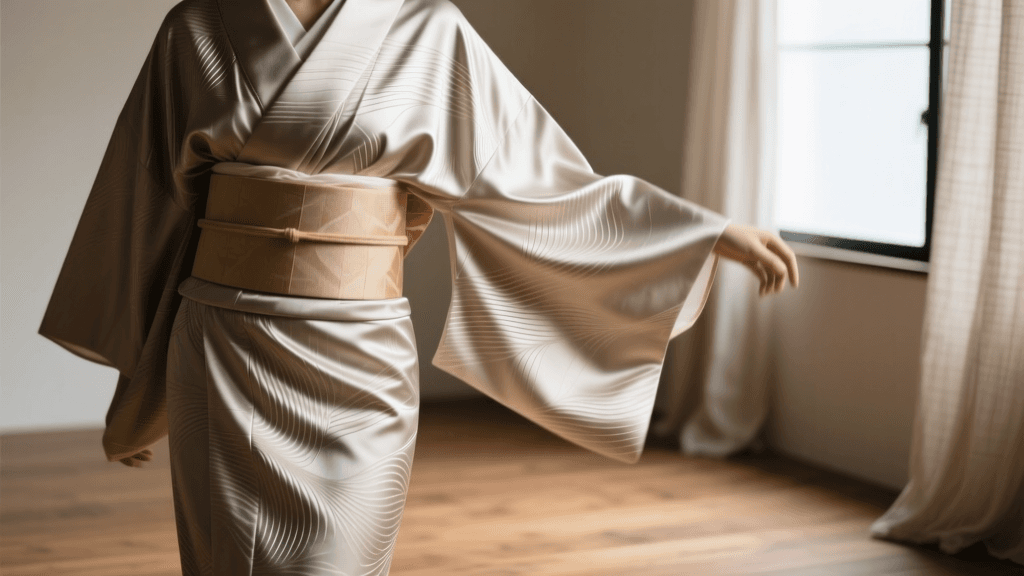
The undisputed star of the female coming-of-age wardrobe is the furisode (振袖), characterized by its dramatically long, swinging sleeves (ranging from 100cm to 114cm). The furisode is the highest level of formality for unmarried women. In 2026, trending designs feature a fusion of classic Yuzen dyeing techniques with 3D embroidery, metallic leaf accents, and bold, asymmetrical hemlines. The obi is typically tied in elaborate, origami-like knots such as the fukura-suzume (puffed sparrow) or tateya (standing arrow).
Men's Montsuki Haori Hakama
While many young men in 2026 opt for Western business suits, those embracing tradition wear the montsuki haori hakama. This ensemble consists of a black, five-crested silk kimono, a formal black haori (jacket) bearing the family crest, and a striped silk hakama (pleated trousers). The ensemble is completed with white tabi socks and zori sandals. According to cultural insights from The Japan Foundation, there has been a 15% resurgence in young men renting traditional hakama for Seijin-shiki over the past three years, driven by a renewed interest in ancestral heritage.
Memorials, Funerals, and Obon
Mourning attire in Japan is governed by strict rules of proximity to the deceased and the timeline of the memorial. Dressing inappropriately for a funeral or an Obon memorial service is considered a severe breach of etiquette.
Funerals and Immediate Mourning (Sosho)
For immediate family members attending a funeral or the 49-day mourning period, the required garment is the mofuku (喪服). This is a plain, matte black silk kimono bearing five family crests (itsutsu-mon). The obi, obijime (cord), and obiage (sash) must also be solid black. The only permissible pop of color is the white han-eri (collar) and white tabi socks. Jewelry is strictly limited to a single strand of pearls; shiny fabrics, gold threads, and colorful accents are absolutely forbidden.
Later Memorials and Obon
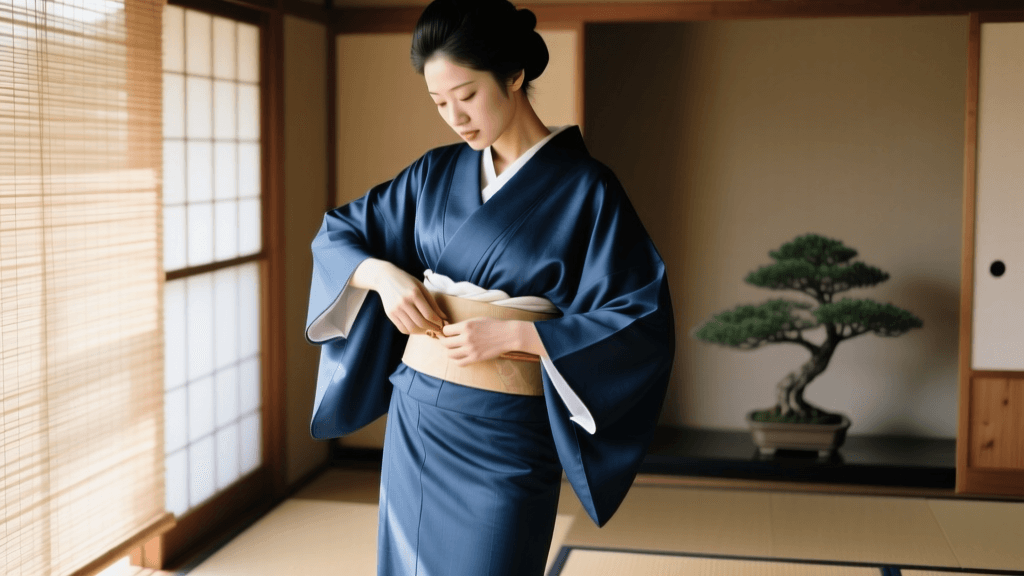
For distant relatives, or for later memorial anniversaries (such as the 3rd, 7th, or 13th years) and the summer Obon festival, strict mofuku is no longer required. Instead, women wear an iromuji in subdued, dark tones like charcoal, navy, or deep plum, featuring one to three crests. The obi can feature subtle, non-celebratory patterns in silver or muted gold. Men typically wear a dark, uncrested silk kimono with a subdued hakama, or a conservative Western suit.
2026 Cost and Formality Comparison
Navigating the financial aspect of ceremonial kimono can be daunting. Below is a breakdown of average market rates in Japan for 2026, comparing full rental packages (which typically include the kimono, obi, accessories, and basic dressing service) against purchasing new, entry-level silk garments.
| Ceremony | Primary Kimono Type | Formality Level | 2026 Avg. Rental (JPY) | 2026 Avg. Purchase (JPY) |
|---|---|---|---|---|
| Omiyamairi (Baby) | Ubugi (Celebratory) | Ceremonial | ¥8,000 - ¥15,000 | ¥40,000 - ¥80,000 |
| Omiyamairi (Mother) | Homongi / Tsukesage | High Formal | ¥15,000 - ¥25,000 | ¥150,000 - ¥400,000 |
| Seijin-shiki (Women) | Furisode | Highest (Unmarried) | ¥50,000 - ¥120,000 | ¥300,000 - ¥800,000+ |
| Seijin-shiki (Men) | Montsuki Haori Hakama | Highest Formal | ¥20,000 - ¥35,000 | ¥120,000 - ¥250,000 |
| Funeral (Close Family) | Mofuku (5-crest) | Mourning | ¥12,000 - ¥18,000 | ¥100,000 - ¥200,000 |
| Later Memorials / Obon | Iromuji (1 to 3 crests) | Semi-Formal / Mourning | ¥10,000 - ¥15,000 | ¥80,000 - ¥150,000 |
Practical 2026 Advice: Renting, Kitsuke, and Weather
The Economics of Renting vs. Buying
For garments worn only once or twice in a lifetime, such as the furisode or mofuku, renting remains the most pragmatic choice in 2026. Modern rental boutiques in Tokyo, Kyoto, and Osaka offer 'one-stop' packages that include professional hair styling, makeup, kitsuke (dressing), and photography. However, for garments like the iromuji or homongi, which a woman might wear to multiple weddings, tea ceremonies, and graduations throughout her life, purchasing a bespoke or high-quality vintage piece is a sound long-term investment.
Booking Timelines
The Seijin-shiki rental market is fiercely competitive. To secure a premium furisode and a preferred morning time slot for dressing, young women must book their packages between March and June of the preceding year. For Omiyamairi, booking 4 to 6 weeks in advance is generally sufficient, though weekends during peak cherry blossom or autumn foliage seasons require earlier reservations.
Weather Adaptations and Cooling Tech
Japanese summers are notoriously hot and humid, making summer Obon memorials physically taxing in full silk. The Japan National Tourism Organization frequently notes the importance of seasonal adaptations in traditional dress. In 2026, the market is dominated by advanced cooling juban (under-kimono) made from specialized contact-cooling synthetic fibers that wick moisture and lower skin temperature by up to 3°C. Additionally, breathable mesh obi-ita (obi stiffeners) and anti-perspirant kimono collars are now standard inclusions in summer rental packages, ensuring dignity and comfort even in 35°C heat.
Conclusion
From the hopeful prayers of Omiyamairi to the solemn reverence of ancestral memorials, the kimono remains the ultimate physical manifestation of Japanese familial bonds. While the logistics of acquiring and wearing these garments have modernized significantly by 2026, the emotional weight and cultural significance of the silk remain untouched. By understanding the nuances of formality, booking well in advance, and utilizing modern dressing technologies, families can honor their heritage with grace, ensuring these beautiful traditions continue to weave their way through the generations.