Kimono Fabric Sound & Texture: The 2026 Sensory Experience
The Hidden Dimension of Japanese Garments
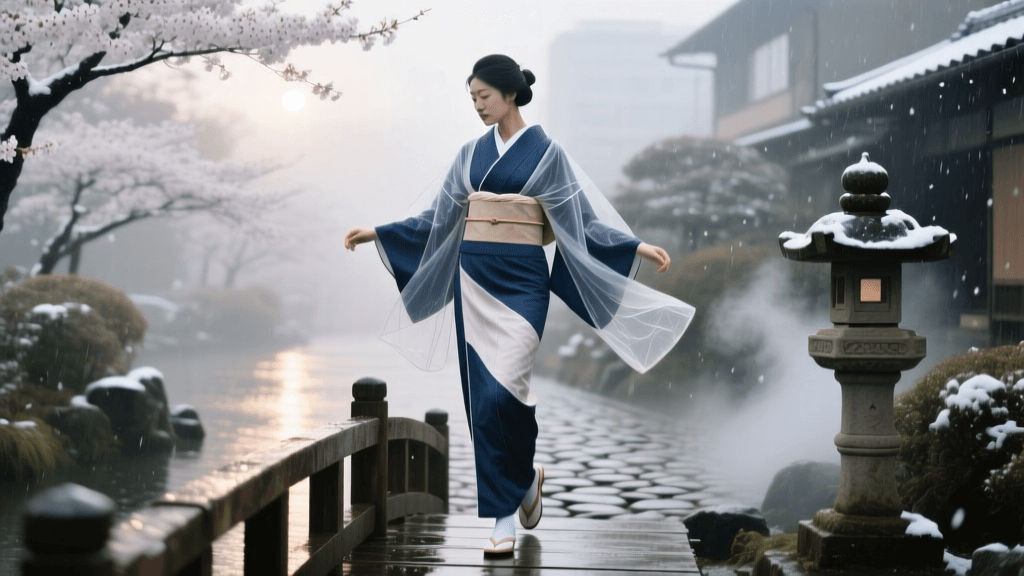
When we think of the traditional Japanese kimono, our minds immediately conjure vivid images: the sweeping elegance of the obi, the intricate yuzen dyeing patterns, and the vibrant seasonal motifs. However, to truly understand the depth of Japanese garment culture, one must look beyond the visual. The true essence of the kimono lies in its hidden sensory dimensions—specifically, the auditory and tactile experiences that occur when the garment is worn. In 2026, the intersection of traditional craftsmanship and modern sensory science has brought these hidden elements to the forefront of textile appreciation.
The sensory experience of a kimono is not merely a byproduct of its construction; it is a deliberate design feature. From the specific friction of silk threads to the cooling touch of summer ramie, every textile choice alters the wearer's physical and auditory relationship with their environment. According to The Metropolitan Museum of Art's Heilbrunn Timeline of Art History, Japanese textiles have long been revered not just for their visual artistry, but for their complex material properties that dictate how they move, drape, and interact with the human body.
Kinu-Zure: The Acoustic Signature of Silk
In the lexicon of traditional Japanese aesthetics, there is a specific term for the sound of silk fabrics rubbing together: kinu-zure (衣擦れ). This gentle, rhythmic rustling is considered a hallmark of elegance and refinement. Historically, the subtle acoustic footprint of a woman's kimono announced her presence in the quiet corridors of a tea house or a traditional machiya townhouse before she was even seen.
The science behind kinu-zure is rooted in the micro-structure of the silk filament and the specific weave of the fabric. A standard plain-weave silk, such as habutae, produces a soft, continuous whisper. In contrast, chirimen (silk crepe), which is woven with highly twisted yarns that create a pebbled surface texture, generates a slightly more pronounced, crisp rustle. The friction between the microscopic ridges of the crepe weave amplifies the acoustic resonance of the garment.
In 2026, acoustic textile analysis has become a vital tool for both preservationists and contemporary weavers. Kyoto-based textile laboratories now utilize Acoustic Textile Mapping (ATM) to digitize the exact auditory profile of antique Edo-period silks. By recording the friction frequencies of degrading historical garments, artisans can recalibrate their modern looms to replicate the exact kinu-zure of centuries past, ensuring that the acoustic heritage of the kimono survives even as the original fibers become too fragile to wear.
Tactile Landscapes: Weave, Weight, and Drape
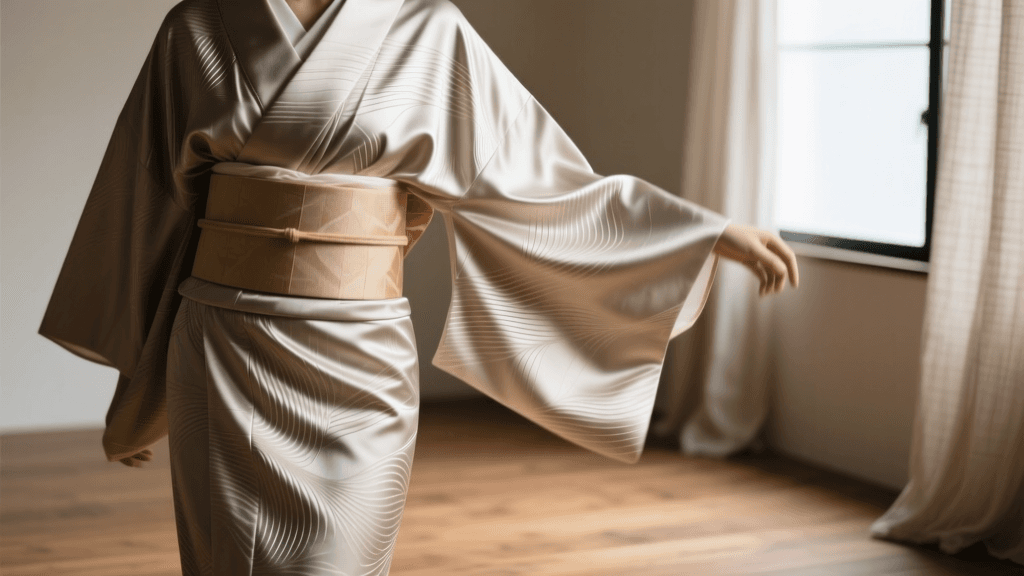
Beyond sound, the tactile sensation of a kimono profoundly influences the wearer's posture, movement, and comfort. The Japanese concept of fu-ai (風合い) encompasses the 'hand' or feel of a fabric—its weight, temperature, and drape. Unlike Western tailoring, which often relies on cutting and seaming to force a fabric into a three-dimensional shape, the kimono is constructed from straight bolts of fabric (tanmono). The entire silhouette is dictated by the textile's natural drape and weight.
The Weight of Brocade and the Lightness of Ro
A heavy silk brocade (nishiki), woven with metallic threads and complex multi-layered patterns, possesses a substantial fu-ai. The weight of the fabric pulls the garment downward, creating a grounded, statuesque posture. The wearer feels a comforting, enveloping pressure that is deeply associated with formality and winter ceremonies. Conversely, summer garments woven from ro (silk gauze) or sha offer an entirely different tactile landscape. These leno-weave fabrics are engineered with intentional gaps in the warp and weft, allowing ambient air to flow directly across the skin. The tactile sensation is one of coolness and weightlessness, a crucial sensory relief during the humid Japanese summer.
For those exploring sustainable alternatives in 2026, modern textile innovators have developed bio-based cellulose fibers that mimic the cooling touch and fluid drape of traditional ro silk. These sustainable options are increasingly popular for everyday yukata and casual summer kimono, offering the same sensory relief at a fraction of the environmental cost.
2026 Innovations: Sensory Preservation and Care
Preserving the sensory qualities of a kimono requires more than just protecting its colors from fading; it requires maintaining the structural integrity of the fibers so they continue to sound and feel correct. The Victoria and Albert Museum's Asian Collections emphasizes that the physical handling and environmental storage of historic textiles are critical to maintaining their material properties.
In 2026, the standard for kimono care has evolved to prioritize sensory preservation. Traditional camphor wood storage chests (tansu) remain popular, but they are now frequently paired with smart-humidity sensors. Maintaining a relative humidity of exactly 50-55% is critical. If the air is too dry, silk fibers become brittle and the kinu-zure sound shifts from a soft rustle to a harsh, papery crackle. If the air is too humid, the fibers absorb moisture, swelling and dampening the acoustic resonance entirely while altering the tactile 'hand' of the fabric.
Sensory Comparison Chart of Traditional Kimono Fabrics
To help collectors, wearers, and designers navigate the complex sensory profiles of traditional textiles, we have compiled a comprehensive comparison of the four most prominent kimono fabrics available in the 2026 market.
| Fabric Type | Auditory Profile (Kinu-zure) | Tactile Sensation (Fu-ai) | Primary Seasonal Use | Average 2026 Bespoke Price (JPY) |
|---|---|---|---|---|
| Habutae (Plain Weave Silk) | Soft, continuous whisper; low friction. | Smooth, cool, fluid drape; moderate weight. | Year-round (Lining or Formal) | ¥180,000 - ¥250,000 |
| Chirimen (Silk Crepe) | Crisp, pronounced rustle; high friction. | Pebbled texture, resilient, springy drape. | Spring / Autumn / Winter | ¥300,000 - ¥450,000 |
| Ro / Sha (Silk Gauze) | Faint, breathy swish; minimal friction. | Crisp but weightless; highly breathable. | High Summer | ¥220,000 - ¥350,000 |
| Tsumugi (Pongee / Slub Silk) | Muted, earthy rustle; textured friction. | Nubby, warm, substantial; cotton-like feel. | Autumn / Winter (Casual) | ¥400,000 - ¥800,000+ |
Caring for the Sensory Profile of Your Kimono
If you own traditional silk garments, maintaining their unique sound and texture requires specific, actionable care routines. Here is how to preserve the sensory integrity of your collection in 2026:
- Airing Out (Mushiboshi): Twice a year, during the dry, crisp days of late autumn and early spring, remove your kimono from storage. Hang them on specialized wide-shouldered kimono hangers in a shaded, well-ventilated room for 4 to 6 hours. This allows trapped moisture to escape, restoring the crispness of the silk and reviving the kinu-zure sound.
- Avoid Dry Cleaning When Possible: Modern chemical solvents can strip the natural sericin proteins from the silk surface, leaving the fabric feeling flat and sounding dull. In 2026, specialized aqueous cleaning methods using pH-neutral silk enzymes are the gold standard for removing stains without compromising the fabric's acoustic and tactile properties.
- The Art of Folding: Always fold your kimono along the original seam lines. Improper folding creates micro-creases that disrupt the smooth friction of the silk threads, creating 'dead zones' where the fabric will not rustle properly. Use acid-free tatou (wrapping paper) to separate the folds and prevent permanent compression of the weave.
- Obi Board Support: When storing a maru or fukuro obi, which features heavy brocade weaving, insert a flexible cedar or acid-free cardboard core. This prevents the metallic threads from snapping or bending, which would permanently alter the stiff, structured drape that defines the obi's tactile experience.
Sourcing Sensory-Rich Textiles in 2026
For those looking to acquire garments with exceptional sensory profiles, the market in 2026 offers unprecedented access to artisan weavers. The Nishijin district in Kyoto remains the epicenter for heavy, acoustically rich brocades, while the Tango region is globally celebrated for its premium chirimen crepe, prized for its loud, satisfying rustle.
When shopping for a kimono with a specific sensory profile in mind, do not rely solely on visual inspection. Request a 'hand sample' or a fabric swatch from the weaver. Rub the swatch between your thumb and forefinger near your ear to test the kinu-zure. A high-quality silk crepe should produce a distinct, resonant friction, while a lower-quality synthetic blend will remain largely silent. Furthermore, drape the swatch over your wrist to assess the fu-ai; the fabric should flow like a liquid rather than folding like stiff paper.
'The kimono is not merely a garment you wear; it is an environment you inhabit. The sound it makes when you walk, and the way it holds the air against your skin, is the true dialogue between the textile and the wearer.' — Master Weaver Kenjiro Sato, Nishijin Textile Guild, 2026.
By understanding and prioritizing the auditory and tactile dimensions of traditional Japanese garments, we move closer to experiencing the kimono exactly as it was intended—not just as a canvas for visual art, but as a masterpiece of full-body sensory design.