Japanese Kimono Apprenticeships & Fashion Schools 2026
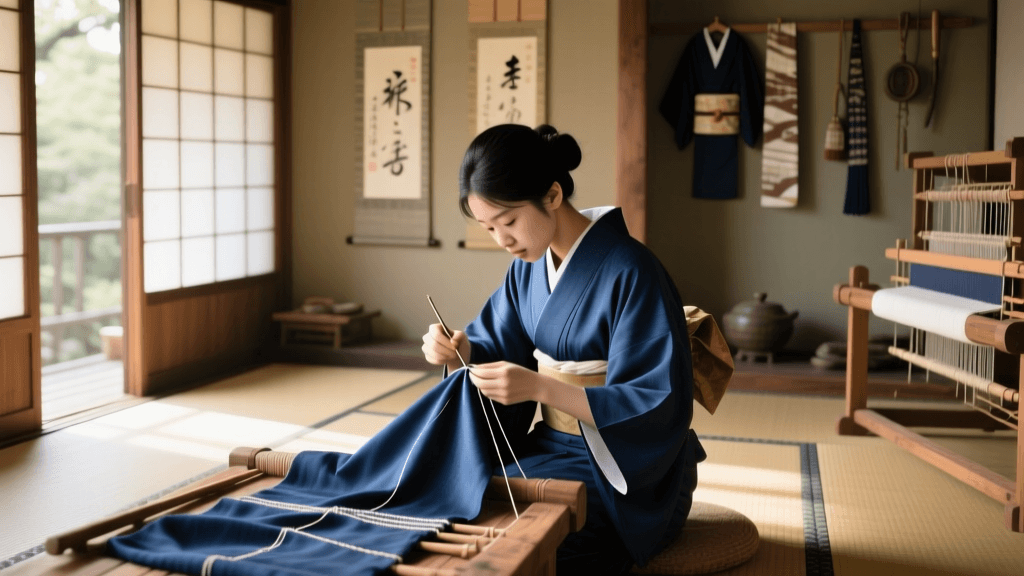
The Renaissance of Japanese Garment Education in 2026
As the global fashion industry pivots toward sustainability, slow fashion, and deep cultural appreciation, the demand for authentic Japanese traditional garments has surged. In 2026, the art of creating kimono, hakama, and specialized textiles like Nishijin-ori (brocade weaving) and Kyo-Yuzen (resist dyeing) is experiencing a vital renaissance. However, the aging population of master artisans has created an urgent need for a new generation of craftspeople. For international and domestic students alike, navigating the educational landscape of Japanese fashion requires a strategic choice: enrolling in a formalized fashion academy or pursuing the ancient, rigorous path of the deshi (live-in apprentice). This comprehensive guide explores the avenues available in 2026 for those dedicated to mastering Asian traditional garments.
The 2026 Landscape of Traditional Japanese Fashion Education
Historically, the secrets of Japanese textile arts were guarded within family-run ateliers, passed down strictly from master to apprentice. Today, the ecosystem has hybridized. Formal institutions have integrated centuries-old techniques into modern academic frameworks, while government-backed initiatives have modernized the apprenticeship model to attract younger demographics. According to the Association for the Promotion of Traditional Craft Industries, the 2026 METI (Ministry of Economy, Trade and Industry) preservation grants have significantly subsidized stipends for apprentices in critical-endangerment crafts, such as Oshima Tsumugi silk weaving and Edo-Komon micro-stencil dyeing. This financial support has made the traditionally grueling apprenticeship route more economically viable for young adults entering the workforce in 2026.
Formal Schools vs. The Deshi (Apprenticeship) System
Choosing between a university-style education and a master-apprentice relationship is the most critical decision for an aspiring kimono artisan. Below is a comparative analysis of both pathways as they stand in the 2026 academic year.
| Feature | Formal Fashion School (e.g., Bunka, Seika) | Traditional Deshi (Apprenticeship) |
|---|---|---|
| Primary Focus | Broad design theory, modern integration, business, and foundational craft skills. | Hyper-specialized mastery of a single technique (e.g., only Yuzen dyeing or only Obi weaving). |
| Duration | 2 to 4 years (Diploma or Bachelor's Degree). | 3 to 7 years (until the master deems the apprentice independent). |
| 2026 Average Cost | ¥1,200,000 to ¥1,600,000 annually (Tuition). | Free tuition; apprentice often receives a modest monthly living stipend. |
| Language Requirement | JLPT N2 (some English-taught master's programs available). | JLPT N1 or native fluency; deep understanding of regional dialects and honorifics. |
| Networking | Extensive alumni networks, industry showcases, and corporate recruitment. | Deep, localized guild connections; direct lineage to a specific master's brand. |
Top Institutions for Kimono and Textile Arts in 2026
For those who prefer a structured academic environment, Japan offers several world-class institutions that honor traditional Asian garments while providing modern design education.
1. Bunka Fashion College (Tokyo)
Renowned globally, Bunka Fashion College remains the premier destination for fashion education in Japan. In 2026, their specialized Department of Traditional Arts and Kimono Design has expanded its curriculum to include sustainable textile sourcing and digital archiving of Edo-period patterns. Students spend their first year mastering the fundamentals of garment construction, including the precise, straight-line cutting methods unique to kimono, before specializing in either Yuzen dyeing, embroidery, or modern kimono styling. The 2026 tuition for the advanced diploma course is approximately ¥1,450,000, excluding materials.
2. Kyoto Seika University (Kyoto)
Located in the cultural heart of Japan, Kyoto Seika University offers a unique intersection of traditional crafts and contemporary pop culture. Their Faculty of Design features a dedicated Textile Arts course where students learn antique weaving techniques on traditional wooden looms. The university is particularly famous in 2026 for its collaborative projects with the anime and gaming industries, creating historically accurate traditional garments for digital media and stage productions. This makes it an ideal choice for students who want to apply traditional Asian garment knowledge to modern entertainment sectors.
3. Tokyo Kimono Academy (Tokyo)
For those seeking intensive, vocational training specifically focused on the wearing, styling, and retail management of kimono, the Tokyo Kimono Academy offers rigorous 1-year and 2-year certification programs. The 2026 curriculum heavily emphasizes the booming inbound tourism market, teaching students how to conduct authentic kimono dressing (kitsuke) experiences for international visitors, alongside the business of antique kimono curation and restoration.
The Master-Apprentice (Deshi) Route in Kyoto and Kanazawa
The deshi system is the lifeblood of Japan's most exclusive textile guilds. In 2026, cities like Kyoto and Kanazawa are actively recruiting international and domestic youth to enter ateliers specializing in Kaga-Yuzen and Kanazawa gold-leaf textile application. Unlike formal schools, an apprenticeship is a lifestyle commitment. Apprentices typically live in or near the master's workshop, beginning their days at dawn with studio maintenance, tool preparation, and the meticulous grinding of natural pigments.
Daily Life and Stipends in 2026
The romanticized view of the apprentice must be balanced with the physical reality of the work. A first-year deshi in a Kyoto Nishijin weaving studio will spend months simply learning to prepare the silk threads and operate the jacquard punch cards before ever touching the loom. However, the 2026 Kyoto Craft Preservation Initiative has standardized minimum stipends for registered apprentices, ensuring a baseline of ¥160,000 per month to cover basic living expenses in shared dormitories. This municipal support has drastically reduced the historical financial barrier to entry, allowing passionate individuals to focus entirely on their craft without the burden of part-time work.
Actionable Steps: Visas, Language, and Portfolios
If you are an international student aiming to enter the world of Japanese traditional garments in 2026, meticulous preparation is required.
- Language Proficiency: While some Tokyo-based schools offer bilingual support, securing a traditional apprenticeship in regional hubs like Kanazawa or Kyoto requires JLPT N1 certification. The nuanced vocabulary of traditional dye chemistry and loom mechanics is rarely translated into English.
- Visa Pathways: Students enrolling in accredited academies will apply for a standard Student Visa. However, those entering private, unaccredited ateliers must apply for the 'Cultural Activities' Visa or secure an 'Instructor/Specialist in Humanities' visa if the atelier is large enough to sponsor employment. Consulting with the local immigration bureau in early 2026 is vital, as regulations regarding craft apprenticeships have been updated to accommodate the labor shortage.
- Portfolio Preparation: Whether applying to Bunka or seeking a master's patronage, your portfolio must demonstrate an understanding of Asian traditions. Include sketches of traditional silhouettes, samples of hand-stitching (such as Sashiko), and essays detailing your understanding of the seasonal motifs (kigo) inherent in kimono design.
Funding Your Education: 2026 Scholarships and Grants
Financing a specialized education in Japan can be daunting, but 2026 offers unprecedented opportunities for funding. The MEXT (Ministry of Education, Culture, Sports, Science and Technology) Research Scholarship is available for international students wishing to conduct graduate-level research on the preservation of Asian textile traditions. Additionally, the Kyoto Traditional Industries Center facilitates matching grants for foreign nationals who commit to a minimum three-year apprenticeship in a designated Kyoto craft, covering up to 40% of living and material costs. Private foundations, such as the Asian Cultural Council, also offer fellowships specifically tailored to the study of traditional garment construction and textile preservation.
Conclusion: Weaving the Future of Asian Traditions
The path to mastering Japanese traditional garments in 2026 is demanding, requiring immense patience, linguistic dedication, and physical stamina. Whether you choose the structured, innovative halls of a Tokyo fashion college or the quiet, dye-stained floors of a Kyoto master's atelier, you are participating in a vital act of cultural preservation. By understanding the distinct advantages of both the formal school and the deshi apprenticeship routes, aspiring artisans can make informed decisions that honor the past while weaving the future of Asian fashion traditions.