Japanese Traditional Fashion Schools & Apprenticeships 2026
The Renaissance of Traditional Japanese Fashion Education in 2026
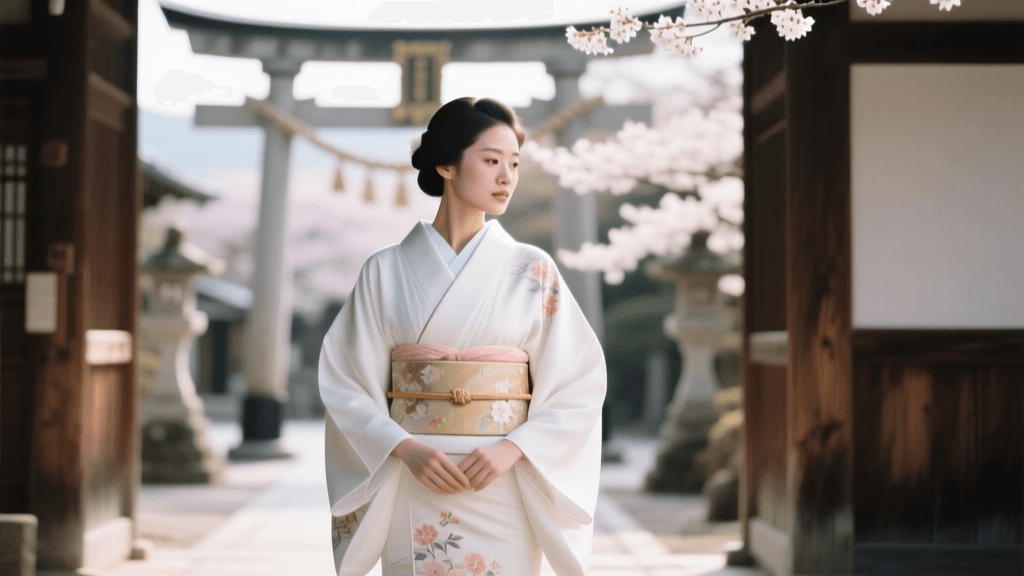
The global resurgence of interest in authentic, handcrafted Asian traditions has reached a pivotal moment in 2026. Today, the intersection of Zen spirituality, ancient weaving methods, and modern international design has created an unprecedented demand for formally trained artisans. The Japanese government, alongside private cultural foundations, is actively investing in the preservation of traditional garments. From the vibrant silk kimono worn during Shichi-Go-San (a traditional rite of passage for children) to the intricate, heavy uchikake worn at weddings, these garments represent profound life stages and cultural milestones. For aspiring designers and preservationists, understanding the educational pathways and apprenticeship systems in Japan is essential to mastering these timeless crafts.
Top Formal Institutions for Traditional Japanese Garments
Bunka Fashion College (Tokyo)
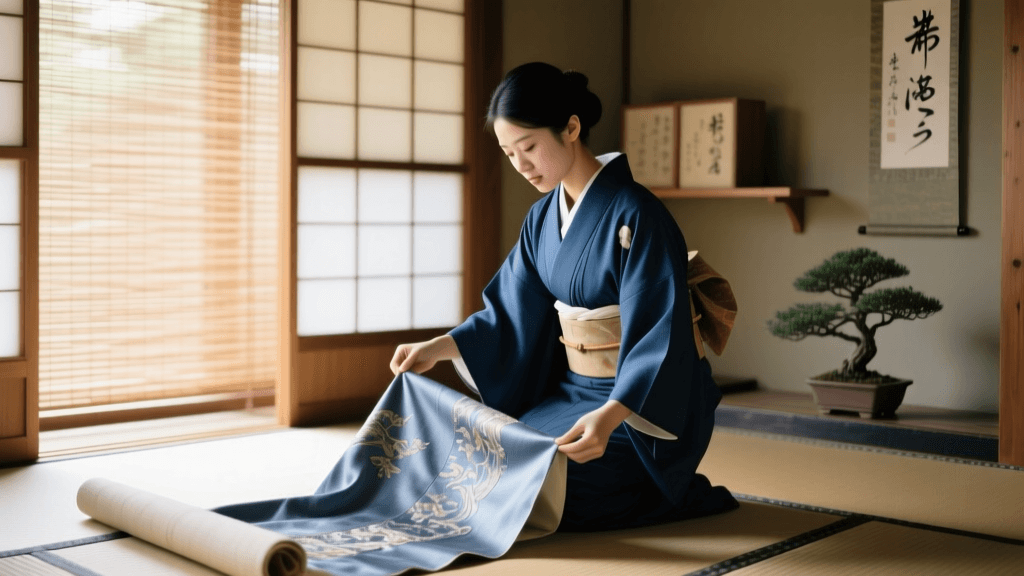
While globally renowned for producing avant-garde contemporary designers, Bunka Fashion College maintains a highly respected and rigorous traditional track. In 2026, their specialized courses in traditional textile manipulation, Yuzen dyeing, and kimono pattern drafting remain fiercely competitive. Students in this program learn the precise, mathematical geometry of the kimono, a garment that relies on straight-line cutting and zero-waste principles. The curriculum heavily emphasizes the sensory experience of handling raw silk, preparing natural indigo dyes, and understanding how different textiles drape across the human form. Graduates often go on to bridge the gap between historical Japanese fashion and modern international runways.
Kyoto City University of Arts (Kyoto)
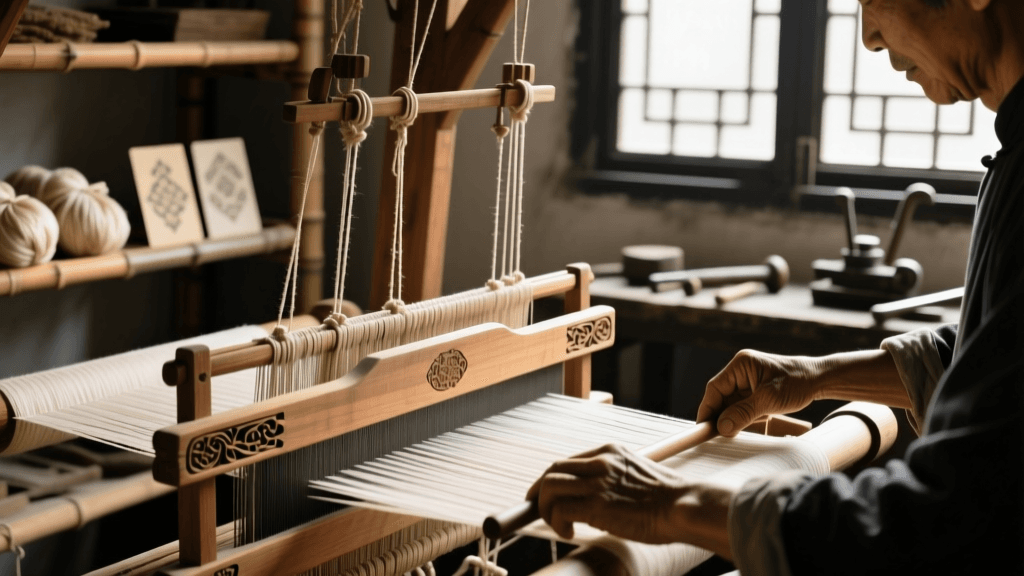
Located in the cultural and spiritual heart of Japan, Kyoto City University of Arts offers unparalleled access to master weavers, dyers, and Zen scholars. The 2026 curriculum places a massive emphasis on the preservation of intangible cultural properties. Students engage in deep, immersive studies of Zen aesthetics, learning how the philosophical concept of 'ma' (negative space) and 'wabi-sabi' (the beauty of imperfection) directly influence textile design and garment draping. The university's workshops are equipped with traditional Nishijin-ori looms, allowing students to experience the rhythmic, almost meditative physical demands of traditional Japanese weaving methods firsthand.
2026 Comparison of Traditional Fashion Programs
| Institution | Location | 2026 Annual Tuition (Approx.) | Key Traditional Focus | Duration |
|---|---|---|---|---|
| Bunka Fashion College | Tokyo | 1,450,000 JPY | Kimono Drafting, Yuzen Dyeing, Zero-Waste Cutting | 2 Years |
| Kyoto City Univ. of Arts | Kyoto | 1,200,000 JPY | Nishijin Weaving, Zen Aesthetics, Textile Preservation | 4 Years (BFA) |
| Tokyo Zokei University | Tokyo | 1,380,000 JPY | Shibori, Kata-yuzen, Sustainable Natural Dyes | 4 Years (BFA) |
The Deshi System: Traditional Apprenticeships in 2026
Formal education provides the theoretical foundation, but the 'Deshi' (apprenticeship) system provides the soul of the craft. In 2026, securing an apprenticeship under a recognized master artisan or a Living National Treasure in craft hubs like Kyoto, Kanazawa, or Tokamachi remains the ultimate path to true mastery. The Deshi system is deeply rooted in Japanese tradition and is not for the faint of heart. It requires an intense, unwavering dedication to the sensory experience of the craft and a willingness to subordinate one's ego to the master's teachings.
The daily life of a Deshi is grueling but profoundly transformative. An apprentice typically wakes before dawn to prepare the workspace, clean the wooden floors, and organize the master's tools. The first year of an apprenticeship often involves absolutely no actual weaving, dyeing, or sewing. Instead, the Deshi focuses on grinding raw pigments, washing silk in cold river water, and observing the master's subtle hand movements. This period is designed to develop the muscle memory, patience, and Zen-like focus required for the craft.
The integration of Zen spirituality into the physical act of weaving cannot be overstated. The rhythmic clack of the wooden loom shuttle becomes a form of moving meditation, where the artisan's breath syncs with the tension of the warp threads. By the third or fourth year, the apprentice is finally permitted to execute complex techniques under the master's watchful eye, eventually earning the right to carry the master's lineage forward.
Step-by-Step Guide to Entering a Kimono Apprenticeship
For international and domestic students alike, entering a traditional apprenticeship requires careful navigation of cultural and bureaucratic landscapes. Here are the actionable steps to secure a position in 2026:
- 1. Achieve Language Proficiency: Fluency in Japanese is non-negotiable. You must possess at least a JLPT N2 certification, though N1 is highly preferred. The nuanced, highly technical vocabulary used in traditional dyeing and weaving cannot be learned through basic language apps; it requires immersive study.
- 2. Secure the Correct Visa: International applicants typically enter on a Student Visa if enrolled in a partnered university, or a Cultural Activities Visa if directly accepted by a master's atelier. The Cultural Activities Visa requires proof of the atelier's cultural significance and a detailed study plan.
- 3. Obtain a Formal Introduction (Shokai): Cold-calling a master artisan is culturally inappropriate and will yield no results. You must secure a formal introduction through university alumni networks, local cultural preservation societies, or the Agency for Cultural Affairs.
- 4. Complete the Trial Period (Tameshi): Before being officially accepted as a Deshi, you will undergo a trial period lasting one to three months. This is often unpaid and serves as a test of your physical endurance, humility, and dedication to the menial tasks that support the atelier.
Life Stages and the Ceremonial Garment Curriculum
A critical component of Japanese fashion education is understanding how garments map onto human life stages. In 2026, advanced students are required to study the specific textiles, colors, and motifs mandated for different life events. For example, the 'Miyamairi' (shrine visit for a newborn) requires specific silk crepes and auspicious motifs like cranes or pine trees. The 'Furisode' worn by young, unmarried women during the Seijin-no-Hi (Coming of Age Day) features long, swinging sleeves and vibrant, youthful patterns. Conversely, the 'Kurotomesode' worn by married female relatives at weddings features a black base with patterns only below the waist. Mastering the creation of these garments requires not just technical skill, but a deep sociological understanding of Japanese life stages and familial duties.
Financial Realities and Funding for Artisan Students
The financial reality of pursuing traditional Japanese fashion is challenging. Apprenticeships often provide a meager monthly stipend—typically ranging from 80,000 to 120,000 JPY in 2026—which barely covers basic living expenses in cities like Kyoto. Therefore, securing external funding is crucial. International students are strongly encouraged to apply for the MEXT (Ministry of Education, Culture, Sports, Science and Technology) scholarships. As detailed on the Study in Japan portal, these scholarships provide comprehensive tuition coverage and a generous monthly living allowance for students dedicated to preserving traditional arts. Additionally, the Japanese government offers specific grants through the Agency for Cultural Affairs for ateliers that take on young apprentices, helping to offset the financial burden on both the master and the student.
Conclusion: Preserving the Thread of History
The pathways to mastering traditional Japanese fashion in 2026 are as demanding as they are rewarding. Whether through the structured, academic environment of institutions like Bunka Fashion College or the grueling, deeply spiritual Deshi apprenticeship system, the next generation of artisans is ensuring that these ancient techniques survive. By embracing the sensory experience of natural dyes, the mathematical precision of zero-waste cutting, and the Zen philosophy woven into every thread, students are not just learning to make clothes; they are becoming the custodians of a profound cultural legacy. For those willing to dedicate their lives to the craft, the world of traditional Japanese garments offers a lifetime of discovery, discipline, and unparalleled artistic fulfillment.