Japanese Traditional Looms & Hand-Weaving Guide 2026
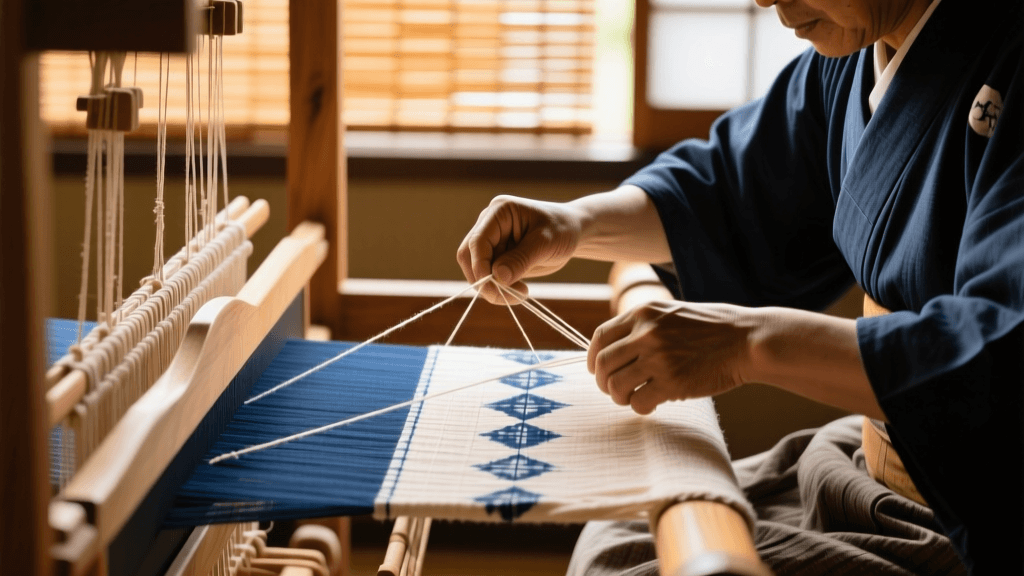
The Renaissance of Japanese Hand-Weaving in 2026
The global shift toward sustainable, slow fashion and digital detox hobbies in 2026 has placed a renewed spotlight on heritage textile production. Among the most revered of these traditions is Japanese hand-weaving, a meticulous craft that transforms raw fibers into breathtaking garments like the kimono and yukata. For modern artisans and textile enthusiasts, understanding the mechanics of Japanese traditional looms and the hand-weaving methods used to create iconic fabrics such as Kasuri and Tsumugi is essential. This comprehensive guide explores the equipment, techniques, and preservation efforts defining the craft today.
Understanding the Anatomy of Japanese Traditional Looms
Japanese weaving relies heavily on two primary types of traditional looms: the Jibata and the Takahata. Both are constructed primarily from Hinoki (Japanese cypress), prized for its durability, smooth grain, and resistance to humidity. The choice of loom drastically alters the weaver's posture, the tension of the warp threads, and the complexity of the patterns that can be achieved.
The Jibata (Floor Loom)
The Jibata is a traditional floor loom where the weaver sits directly on a tatami mat or a low cushion. The warp beam is fixed to the ground or anchored by the weaver's body weight, while the cloth beam is attached to a backstrap or waist belt. This intimate connection between the weaver and the loom allows for highly nuanced tension control, which is critical when weaving delicate silk threads or complex resist-dyed patterns. In 2026, the Jibata remains the preferred tool for rural weaving cooperatives producing artisanal Ojiya Chijimi and high-end ramie textiles.
The Takahata (Tall Treadle Loom)
The Takahata is a raised, multi-shaft treadle loom that allows the weaver to sit on a bench. Originating from Chinese and Korean influences centuries ago, the Takahata utilizes foot pedals (treadles) to lift the heddles, freeing both of the weaver's hands to operate the shuttle and the batten. This mechanical advantage enables the weaving of wider fabrics and more complex multi-shaft patterns, such as intricate brocades (Nishijin-ori) and double-cloth structures. Custom-built Takahata looms from master woodworkers in Fukui and Kyoto prefectures currently command prices upwards of ¥1,500,000 in the 2026 artisan market.
Comparison Chart: Jibata vs. Takahata Looms
| Feature | Jibata (Floor Loom) | Takahata (Tall Loom) |
|---|---|---|
| Weaver Posture | Seated on tatami/floor | Seated on an elevated bench |
| Tension Control | Body weight and backstrap | Mechanical ratchets and weights |
| Shaft/Heddle Operation | Manual hand-pulling or basic pedals | Complex foot treadles |
| Best Suited For | Kasuri, Ramie, fine Silk Tsumugi | Nishijin brocades, wide bolts, complex twills |
| Learning Curve | High (requires full-body coordination) | Moderate (hands and feet separated) |
| 2026 Restored Market Price | ¥250,000 - ¥450,000 | ¥600,000 - ¥1,500,000+ |
Mastering the Techniques: Kasuri and Tsumugi
The loom is only half the equation; the magic of Japanese textiles lies in the preparation of the yarn and the weaving methodology. Two of the most celebrated methods are Kasuri and Tsumugi.
Kasuri (Japanese Ikat)
Kasuri involves resist-dyeing the warp and/or weft threads before they are woven. Bundles of cotton or silk are tightly bound with hemp string to prevent dye penetration, then submerged in natural indigo vats. When woven, the slightly blurred edges of the dyed threads create a distinctive, organic pattern. The Ministry of Economy, Trade and Industry (METI) recognizes several regional Kasuri styles as official Traditional Crafts, including Kurume Kasuri and Bingo Kasuri. Weaving Kasuri on a Jibata requires the artisan to constantly adjust the weft threads with a bamboo pick to ensure the pattern aligns perfectly—a process that limits a master weaver to producing just 10 to 15 centimeters of cloth per hour.
Tsumugi (Silk Noil Weaving)
Tsumugi is a weaving method that utilizes silk noil (the short, leftover fibers from the silk reeling process) rather than continuous filament silk. These fibers are hand-spun into a slubby, uneven yarn that gives the resulting fabric a rustic, nubby texture and a matte finish. Yuki Tsumugi and Oshima Tsumugi are the pinnacles of this craft. Because the hand-spun yarn is irregular, weavers must use a Takahata or Jibata with a specialized, wider-toothed bamboo reed (osa) to prevent the threads from snapping under tension. In 2026, authentic hand-spun Tsumugi yarn remains incredibly scarce, driving the value of vintage and newly woven bolts to premium collector levels.
Sourcing Equipment and Yarns in 2026
For those looking to begin their hand-weaving journey, sourcing authentic equipment requires navigating a niche but dedicated market. Antique looms can frequently be found through specialized dealers in the Kawaguchi and Fukui regions. When purchasing a vintage Jibata, inspect the Hinoki wood for micro-fractures and ensure the original lacquer finish on the shuttle race is intact. If the lacquer is worn, the shuttle will drag, ruining the weft tension.
When sourcing yarns, modern weavers in 2026 are increasingly turning to heritage seed cotton varieties, such as Sakishima Wata from Okinawa, which yields a naturally brown, pest-resistant fiber perfect for hand-spinning. For silk, establishing relationships with remaining filatures in Gunma Prefecture is crucial for acquiring high-grade silk floss for Tsumugi spinning.
Maintaining Your Traditional Loom
Preserving a wooden loom in varying climates requires diligent care. The high humidity of the Japanese summer can cause the wooden heddle bars to swell, while dry winters can lead to cracking. Artisans recommend the following maintenance routine:
- Shuttle Race Care: Apply a micro-thin layer of pure Tsubaki Abura (camellia oil) to the shuttle race once a month. Avoid synthetic lubricants, which can stain the textile.
- Bamboo Reed (Osa) Maintenance: After every completed bolt of cloth, gently brush the bamboo reed with a soft, dry horsehair brush to remove sizing starch and dust. Never use water on the reed, as it will warp the bamboo and rust the metal bindings.
- Cordage Replacement: Traditional Takahata looms use hemp or cotton cords to tie up the treadles. In 2026, many weavers are replacing these with high-tensile, waxed linen cords to reduce stretch and improve shed clarity without sacrificing historical accuracy.
Preservation and Modern Integration
The survival of Japanese traditional weaving relies on a delicate balance between strict preservation and thoughtful innovation. Institutions like the National Crafts Museum play a vital role in exhibiting historical masterpieces, inspiring a new generation of weavers to study the structural integrity of Edo-period textiles. Meanwhile, contemporary weaving studios in Kyoto are experimenting with integrating ergonomic seating and adjustable LED lighting into the traditional Takahata frame, ensuring that the craft remains accessible to aging artisans and those with physical limitations.
As we move through 2026, the rhythmic clack of the wooden batten and the soft swish of the shuttle serve as a grounding reminder of human ingenuity. Whether you are threading a Jibata for a delicate Kasuri cotton or weaving a heavy Tsumugi silk on a Takahata, mastering these traditional looms connects you directly to centuries of Asian textile heritage.