Japanese Traditional Looms & Hand-Weaving Methods Guide 2026
The Resurgence of Japanese Hand-Weaving in 2026
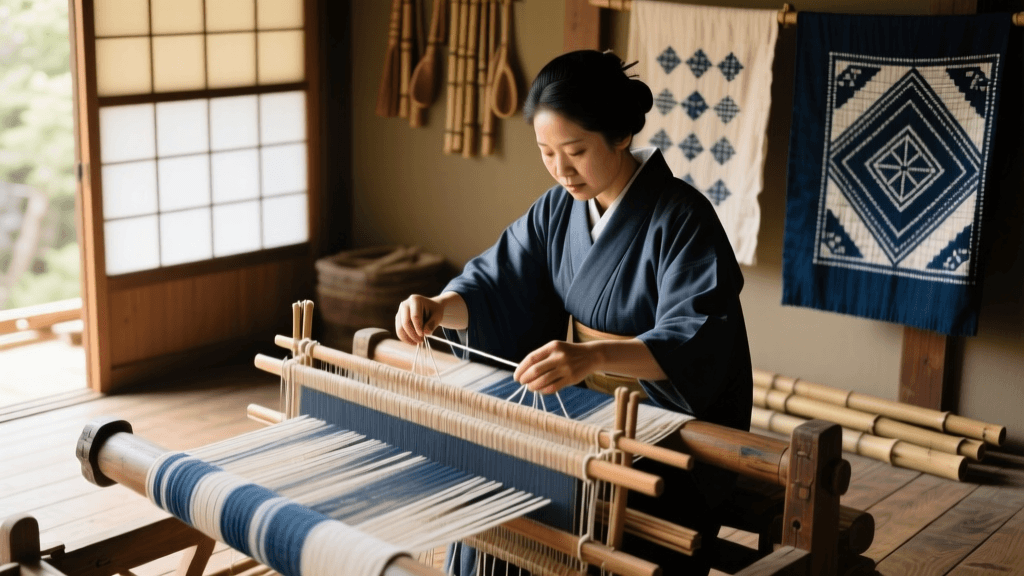
As the global fashion industry continues its pivot toward hyper-local, sustainable, and slow craftsmanship in 2026, Japanese traditional hand-weaving has experienced an unprecedented renaissance. Collectors, textile artists, and sustainable fashion designers are increasingly turning away from mass-produced fabrics, seeking the profound tactile and spiritual qualities of hand-woven Japanese textiles. At the heart of this movement are the traditional looms—specifically the Jibata and Takabata—and the meticulous hand-weaving methods that have been passed down through generations of artisans.
Understanding these looms and techniques is no longer just an exercise in historical preservation; it is a highly practical pursuit for modern textile artists. According to the Metropolitan Museum of Art's Heilbrunn Timeline of Art History, the evolution of Japanese textiles represents a unique intersection of indigenous innovation and refined aesthetic philosophy, a legacy that continues to inform contemporary sustainable design today.
The Core of Japanese Weaving: Jibata vs. Takabata Looms
To master Japanese hand-weaving, one must first understand the tools of the trade. The two most prominent traditional looms are the Jibata (backstrap/floor loom hybrid) and the Takabata (treadle loom). Each serves a distinct purpose and requires a completely different physical engagement from the weaver.
The Jibata: Weaving with the Body
The Jibata is one of the oldest and most intimate loom designs in Japan. Unlike Western floor looms where the warp tension is maintained by a fixed frame and weights, the Jibata relies on the weaver’s own body weight to maintain tension. The weaver sits on a specialized board, wearing a backstrap connected to the warp beam. By leaning back, the weaver tensions the threads; by leaning forward, they release it to beat the weft.
This method is essential for weaving highly prized, delicate textiles like Ojiya-chijimi and Echigo-jofu, which are recognized by UNESCO as Intangible Cultural Heritage. The Jibata allows for micro-adjustments in tension that are impossible on rigid frame looms, preventing the delicate ramie and silk threads from snapping.
The Takabata: The Edo Period Workhorse
Introduced and refined during the Edo period, the Takabata is a wooden treadle loom that frees the weaver’s hands. Utilizing a system of pulleys, heddles, and foot pedals, the Takabata allows for faster, wider, and more continuous weaving. It is the loom of choice for producing standard kimono bolts (tanmono) and complex silk weaves like Tsumugi (pongee).
2026 Loom Comparison and Market Availability
| Loom Type | Historical Era | Best Used For | Tension Method | 2026 Market Cost (USD) |
|---|---|---|---|---|
| Jibata | Pre-Edo / Ancient | Kasuri, Ojiya-chijimi, delicate ramie | Weaver's body weight (backstrap) | $3,500 - $5,500 (Custom) |
| Takabata | Edo Period | Wide silk bolts, Tsumugi, everyday cotton | Wooden treadles & pulley frame | $1,800 - $3,200 (Refurbished) |
| Bata (Standard Floor) | Meiji to Modern | General weaving, wool, hemp | Fixed frame with ratchet | $900 - $1,500 (Reproduction) |
Note: In 2026, acquiring an authentic, fully restored antique Takabata from Kyoto or Niigata prefectures typically requires commissioning a specialized woodworker, as mass-produced traditional parts are no longer available.
Mastering the Techniques: Kasuri and Tsuzure-ori
The loom is merely the instrument; the true artistry lies in the preparation and the weaving technique. Two of the most revered methods in Japanese textile arts are Kasuri and Tsuzure-ori.
Kasuri (Japanese Ikat): The Art of Blurred Edges
Kasuri involves resist-dyeing the warp and/or weft threads before they are woven. Artisans bind specific sections of the thread bundles with tight cord, dye them (traditionally in natural indigo), and then weave them together. The hallmark of authentic Kasuri is the slightly blurred, feathered edge of the pattern, known as kasuri-aji.
In 2026, the demand for natural sukumo (fermented indigo) from Tokushima has driven prices to approximately ¥45,000 ($300 USD) per kilogram for premium, year-aged vats. Weavers must calculate the exact shrinkage and thread displacement to ensure the dyed patterns align perfectly on the loom—a mathematical feat that takes decades to master.
Tsuzure-ori: Fingernail Tapestry
Often referred to as "fingernail weaving," Tsuzure-ori is a tapestry technique used primarily for high-end obi sashes. The weaver uses the serrated edges of their own fingernails (filed specifically for this purpose) to pack the weft threads tightly, completely hiding the warp. This allows for incredibly detailed, painterly designs. A single, master-crafted Tsuzure-ori obi can take over a year to complete and fetch upwards of $15,000 on the 2026 vintage and artisan market.
Preparing the Warp: The 2026 Artisan's Toolkit
For those looking to practice Japanese hand-weaving today, setting up the warp (seikei) is the most critical step. A standard kimono bolt (tanmono) requires specific measurements:
- Warp Length: 12.5 meters (to account for loom waste and shrinkage).
- Warp Width: 38 centimeters (standard kimono width).
- Reed Denting: Typically 2 to 4 threads per dent, depending on the yarn count.
Modern practitioners in 2026 often use laser-guided warping boards to ensure exact tension across hundreds of threads, blending ancient techniques with modern precision tools. When sourcing yarn, Echigo linen from Niigata and heritage silk from Gunma remain the gold standards, though international weavers are increasingly substituting with locally sourced, wet-spun ramie to mimic the traditional Japanese hand-feel.
Where to Study Hand-Weaving in Japan
Immersion is the best way to understand the rhythm of the Japanese loom. For international students and serious hobbyists traveling to Japan in 2026, several institutions offer unparalleled access to master weavers:
- Kawashima Textile School (Kyoto): Offering intensive, multi-week residencies, this school remains the premier destination for learning both traditional and contemporary tapestry and floor-loom weaving.
- Ojiya-chijimi Preservation Society (Niigata): For advanced weavers, winter apprenticeships in the snowy Uonuma region provide hands-on experience with the Jibata and the unique snow-bleaching (yukisarashi) process.
- Kurume Kasuri Workshops (Fukuoka): Famous for their intricate, multi-layered cotton Ikat patterns, these workshops offer short-term courses focusing on the mathematical binding and dyeing processes required before the thread ever touches the loom.
Integrating Zen Philosophy into the Weaving Practice
Japanese hand-weaving is not merely a mechanical process; it is deeply intertwined with Zen spirituality and mindfulness. The repetitive, rhythmic throwing of the shuttle and the beating of the reed induce a meditative state. In traditional weaving studios, the sound of the wooden batten striking the cloth is considered a form of acoustic meditation, grounding the artisan in the present moment.
The concept of wabi-sabi—finding beauty in imperfection and transience—is woven directly into the fabric. A slight irregularity in the weft, a subtle variation in the natural indigo dye, or the organic slub of hand-spun silk are not viewed as flaws. In the hyper-curated fashion landscape of 2026, these human touches are the ultimate luxury, proving that the garment was born from human hands, patience, and a profound respect for natural materials.
Conclusion: Preserving the Thread
Whether you are a collector seeking to understand the provenance of a vintage Kasuri kimono, or a weaver looking to build your own Jibata, the world of Japanese traditional looms offers a lifetime of study. By supporting the artisans, preservation societies, and natural dyers keeping these methods alive, we ensure that the rhythmic clack of the Takabata continues to echo into the future.