Japanese Jibata Looms & Hand-Weaving Techniques Guide 2026
The Enduring Legacy of Japanese Hand-Weaving in 2026
In the rapidly evolving global fashion landscape of 2026, the meticulous art of Japanese hand-weaving stands as a testament to patience, precision, and cultural preservation. While mass production and digital textile printing dominate the fast-fashion sector, a dedicated renaissance of traditional Japanese looms and hand-weaving methods is capturing the attention of luxury fashion houses, interior designers, and cultural historians worldwide. At the heart of this movement is the jibata, the traditional Japanese hand loom, which continues to produce some of the most coveted and technically complex textiles on earth.
For enthusiasts, collectors, and designers looking to understand or source authentic Japanese textiles this year, grasping the mechanics of the jibata and the distinct regional weaving methods is essential. This comprehensive guide explores the anatomy of traditional Japanese looms, the premier hand-weaving techniques defining the 2026 market, and the actionable steps you can take to engage with these living heritage crafts.
The Anatomy of the Jibata (Traditional Hand Loom)
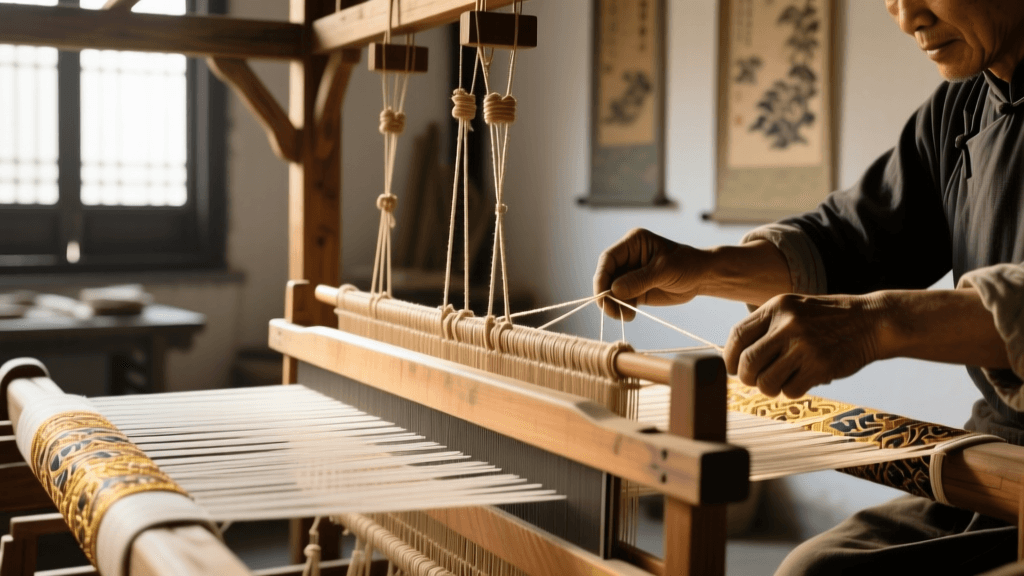
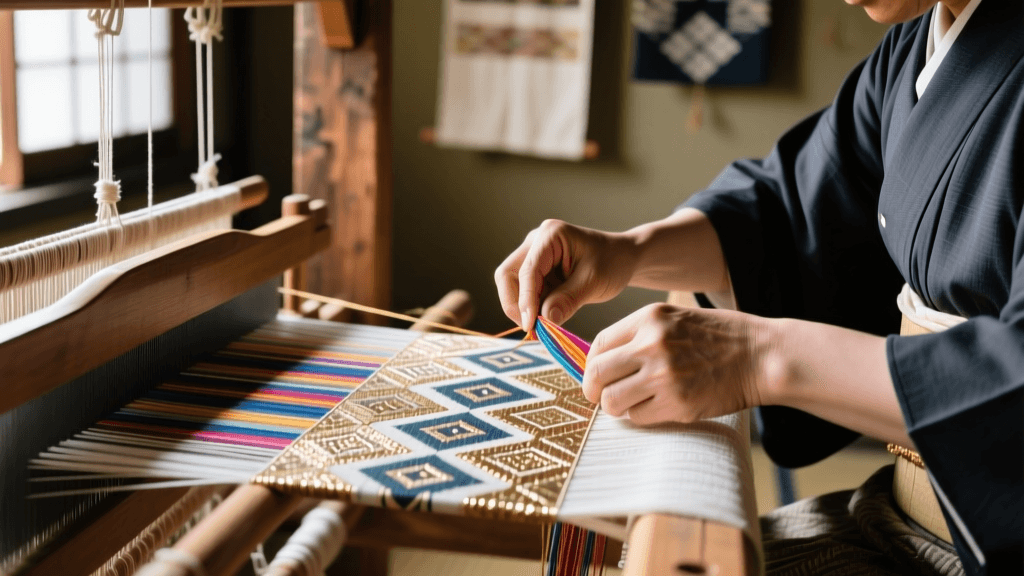
Unlike the rigid, heavy timber frame looms common in Western weaving traditions, the traditional Japanese jibata (ground loom) is intimately connected to the weaver's body. The weaver sits directly on the floor, using their physical weight and posture to control the warp tension. This profound physical connection allows for an unparalleled sensitivity to the yarn, enabling the creation of complex, tightly woven fabrics that machines simply cannot replicate.
Key Components of the Jibata
- Soroboko (Warp Beam): The beam that holds the un-woven warp threads. In a jibata, this is often anchored to the floor or a heavy wooden block, allowing the weaver to adjust tension by leaning forward or backward.
- Ayumi (Breast Beam): The beam closest to the weaver where the finished cloth is rolled. The weaver's body acts as the counter-tension to the soroboko.
- Hata (Reed): A comb-like structure used to beat the weft yarn tightly into place. Japanese reeds are traditionally made from split bamboo or fine metal, calibrated to the exact width of the tan (the standard bolt of fabric, typically around 38 centimeters wide for kimono).
- Chikara-ito (Tension Cords): Heavy cords that connect the loom's structural elements, allowing the weaver to make micro-adjustments to the warp tension using their feet and hips.
- Shuttle (Hi): Often carved from cherry or persimmon wood, the Japanese shuttle is polished to a glass-like finish to glide through the shed without snagging delicate silk or ramie threads.
The physical demand of operating a jibata is immense. A master weaver in 2026 might spend up to ten hours a day at the loom, producing merely 10 to 30 centimeters of highly complex brocade or tightly twisted crepe fabric. This profound investment of human energy is precisely what gives these textiles their extraordinary value and spiritual resonance.
Premier Hand-Weaving Methods in Japan
Japan's diverse climate and historical isolation of various prefectures have led to the development of highly specialized weaving techniques. In 2026, three methods remain at the absolute pinnacle of the Japanese textile hierarchy.
1. Nishijin-ori (Brocade Weaving of Kyoto)
Originating in the Nishijin district of Kyoto, Nishijin-ori is synonymous with opulent, multi-colored brocades historically reserved for the imperial court and high-ranking samurai. While modern Nishijin workshops frequently use computerized Jacquard looms for commercial kimono production, the highest tier of this craft—tsume-tsuzure (nail weaving)—remains entirely manual.
In tsume-tsuzure, the weaver uses the filed edges of their fingernails to pack the weft threads together, completely hiding the warp. This creates a tapestry-like fabric with incredible structural integrity and vibrant, painterly designs. In 2026, authentic hand-woven tsume-tsuzure obi sashes are considered investment-grade assets, frequently commissioned by global collectors and luxury brands seeking unparalleled craftsmanship.
2. Yuki-tsumugi (Pongee Silk of Ibaraki and Tochigi)
Recognized for its profound cultural significance, Yuki-tsumugi is a masterpiece of hand-spun silk weaving. Unlike fabrics woven from reeled silk thread, Yuki-tsumugi utilizes silk floss (mawata) that is hand-stretched and spun into a soft, slightly irregular yarn. This gives the resulting fabric a distinctive, muted luster and a remarkably lightweight, breathable quality that molds to the wearer's body over time.
The creation of kasuri (ikat) patterns in Yuki-tsumugi requires tying thousands of microscopic resist knots along the threads before dyeing. The precision required to align these patterns on the jibata loom is staggering. The technique's immense cultural value is globally acknowledged, as detailed by its inclusion on the UNESCO Intangible Cultural Heritage list. In 2026, a full bolt of top-tier Yuki-tsumugi can easily command prices exceeding ¥3,000,000 (approx. $20,000 USD), reflecting the hundreds of hours of meticulous handwork involved.
3. Ojiya-chijimi (Crepe Weaving of Niigata)
Woven in the snow-heavy Uonuma region of Niigata Prefecture, Ojiya-chijimi is a summer textile renowned for its cool, crisp texture. It is woven from choma (ramie), a bast fiber that is split into hair-thin strands by hand. The defining characteristic of Ojiya-chijimi is its crepe texture, achieved by weaving a tightly twisted weft thread alongside a standard weft.
After weaving, the fabric undergoes ashibumi (foot treading) and is washed in hot water. The tension from the twisted threads is released, causing the fabric to shrink and develop a deep, cooling crinkle. Historically, the fabric was then laid out on the snow for yukizarashi (snow bleaching), where ozone generated by the sun melting the snow naturally bleaches the ramie. This brilliant synergy of weaving and environmental processing makes it a highly sought-after textile for modern summer fashion and interior design.
2026 Market Trends, Pricing, and Artisan Preservation
The landscape of traditional Japanese weaving in 2026 is defined by a critical push for preservation amidst an aging artisan population. The Japanese government, spearheaded by the Agency for Cultural Affairs, has significantly increased subsidies for master artisans who take on apprentices under the age of 35. Furthermore, international luxury conglomerates have begun partnering directly with weaving cooperatives in Kyoto and Ibaraki to fund raw material cultivation and secure exclusive textile rights.
For buyers and collectors, understanding the current market valuation is crucial. The price of a tan (a standard bolt measuring approximately 12 meters long and 38 cm wide) varies wildly based on the technique, material, and the prestige of the weaver.
| Technique | Region | Primary Material | Loom Type | 2026 Avg. Price per Tan (JPY) |
|---|---|---|---|---|
| Nishijin-ori (Tsume-tsuzure) | Kyoto | Mulberry Silk | Jibata (Hand) | ¥800,000 - ¥2,500,000+ |
| Yuki-tsumugi (Honba) | Ibaraki/Tochigi | Hand-spun Silk Floss | Jibata (Hand) | ¥1,200,000 - ¥3,500,000 |
| Ojiya-chijimi | Niigata | Hand-split Ramie | Jibata (Hand) | ¥400,000 - ¥900,000 |
| Kurume-gasuri | Fukuoka | Cotton | Jibata / Semi-Auto | ¥150,000 - ¥350,000 |
| Hakata-ori | Fukuoka | Silk | Jacquard / Jibata | ¥200,000 - ¥600,000 |
Sourcing Looms and Materials in 2026
For textile artists and designers looking to incorporate Japanese hand-weaving into their own practice, sourcing authentic equipment and materials requires navigating a niche but accessible market.
Acquiring a Jibata Loom
New, custom-built jibata looms are incredibly rare and are typically commissioned directly from specialized woodworkers in Kyoto or Fukui, with wait times often exceeding 18 months and costs ranging from ¥500,000 to ¥1,500,000. However, the secondhand market in 2026 is vibrant. Many aging weavers are retiring, and their looms are being sold through specialized antique textile dealers in Tokyo's Jimbocho district or via online auctions managed by the Asian Art and Textile conservation networks. When purchasing a vintage jibata, ensure that the hata (reed) is intact, as sourcing replacement bamboo reeds calibrated to traditional kimono widths can be challenging outside of Japan.
Sourcing Yarns and Threads
Authentic Japanese weaving relies on specific yarns. For those attempting to weave Ojiya-chijimi style textiles, sourcing hand-split ramie from the Uonuma region is essential. Dealers like the Nishijin Textile Center in Kyoto offer export services for international designers, providing everything from pre-dyed silk floss for kasuri weaving to specialized metallic threads (kinran) used in brocade work.
Experiencing the Craft: Workshops and Travel
If purchasing a loom or a ¥2,000,000 bolt of fabric is beyond your current scope, experiencing the craft firsthand is the best way to appreciate the jibata's complexity. In 2026, experiential tourism in Japan has expanded to include deep-dive, multi-day weaving residencies.
- Kyoto Nishijin Weaving Workshops: Several historic machiya (townhouses) in the Kamigyo ward now offer week-long intensives where participants learn basic treadle operation and shuttle throwing on restored Meiji-era jibata looms.
- Yuki City Craft Tours: Located in Ibaraki Prefecture, Yuki City offers government-sponsored tours where visitors can try hand-spinning silk floss from cocoons, a crucial first step before the weaving process even begins.
- Niigata Ramie Harvesting: For the truly dedicated, summer travel packages to Niigata allow participants to assist in the harvesting and splitting of ramie stalks, culminating in a demonstration of the ashbumi (foot-treading) crepe process.
Conclusion
The Japanese jibata is far more than a tool; it is an extension of the artisan's body and a conduit for centuries of cultural knowledge. As we move through 2026, the global appreciation for slow fashion, sustainable materials, and profound craftsmanship has never been higher. Whether you are a luxury designer seeking the ultimate textile, a collector investing in wearable art, or a weaver looking to master the ground loom, understanding the intricate world of Japanese hand-weaving offers a deeply rewarding journey into the soul of Asian textile traditions. By supporting these artisans and preservation initiatives, we ensure that the rhythmic clack of the wooden shuttle continues to echo into the future.