DIY Kimono Upcycling: Transform Vintage Silk Into Modern Fashion
The Sustainable Revival of Traditional Japanese Garments
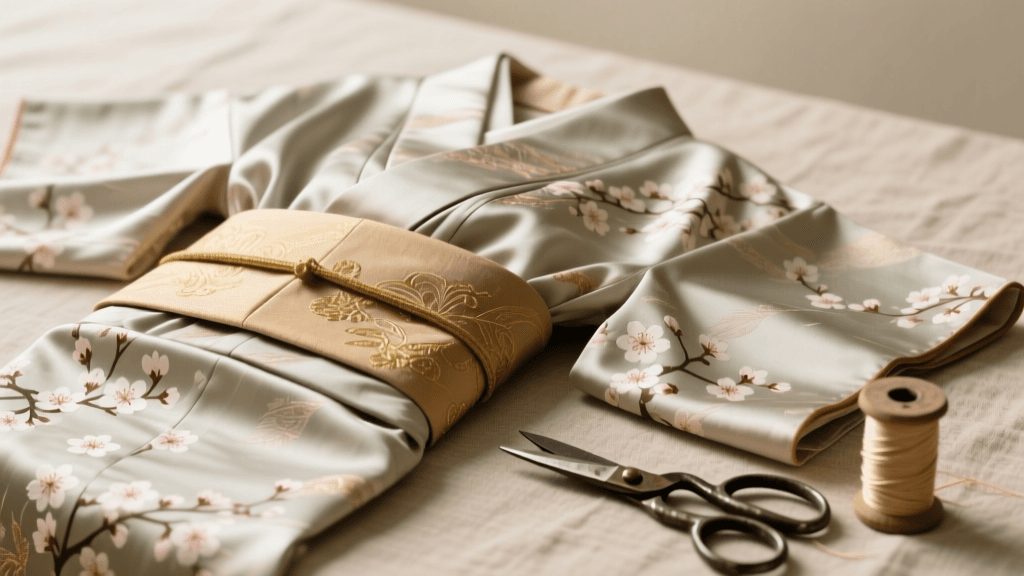
In the world of sustainable fashion, few textiles offer the rich history, vibrant artistry, and luxurious drape of vintage Japanese silk. As the global community becomes increasingly conscious of textile waste, DIY kimono upcycling has emerged as a beautiful intersection of cultural preservation and modern eco-conscious design. Rather than allowing these exquisite garments to languish in closets or deteriorate in storage, crafters and designers are breathing new life into them. As noted by the Victoria and Albert Museum, the kimono's iconic T-shaped silhouette and intricate textile artistry have influenced global fashion for centuries, making its modern repurposing a natural evolution of its legacy.
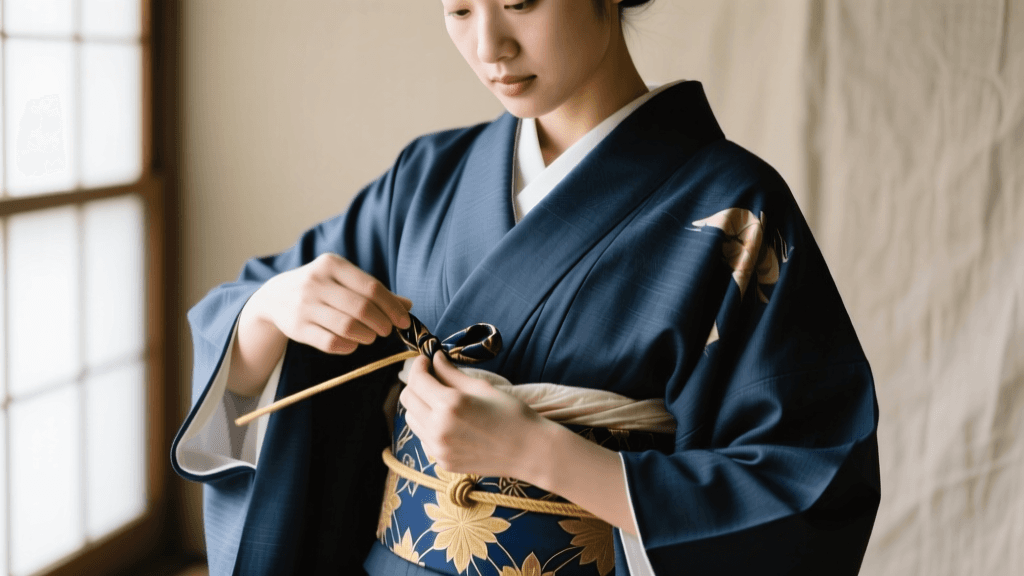
Upcycling a kimono requires a respectful approach. The goal is not merely to destroy an old garment to make a new one, but to honor the artisan's original work—whether it features meticulous Yuzen dyeing, complex Shibori tie-dye, or luxurious Nishijin brocade—by transforming it into a piece that will be worn and appreciated in contemporary life.
Understanding Vintage Silk: Chirimen, Rinzu, and Tsumugi
Before making your first cut, it is vital to understand the canvas you are working with. Vintage kimono are typically constructed from three main types of silk, each requiring a slightly different handling technique:
- Chirimen (Crepe Silk): Characterized by its textured, slightly bumpy surface and excellent drape. It is highly forgiving to sew but can stretch out of shape if pulled too tightly through a sewing machine.
- Rinzu (Damask Silk): A smooth, highly lustrous silk with woven patterns. It is incredibly slippery and prone to fraying, requiring sharp tools and careful pinning.
- Tsumugi (Pongee): Woven from spun silk yarns, Tsumugi has a slubby, matte finish that feels almost like cotton. It is the most stable and beginner-friendly silk for upcycling projects.
When sourcing vintage kimono from estate sales, online auctions, or local thrift stores, always inspect the collar, underarms, and hem for 'silk shattering'—a condition where the silk becomes brittle and tears under slight tension due to historical dry cleaning chemicals or prolonged sun exposure. If the silk shatters when you gently pinch it, it is best reserved for framed textile art rather than wearable garments.
The Golden Rule: Deconstruction and Cleaning
Traditional kimono are constructed using a straight-line cutting method known as chokusen-dachi. This zero-waste pattern-making technique means the garment is assembled entirely from straight rectangular panels sewn together with a simple running stitch. This is excellent news for the modern upcycler, as it makes deconstruction remarkably straightforward.
- Seam Ripping: Use a high-quality, sharp seam ripper to carefully undo the running stitches. Take your time to avoid snagging or cutting the delicate silk threads.
- Pressing: Once deconstructed, you will have long, narrow panels of silk. Press them on the lowest heat setting using a pressing cloth to remove decades-old fold lines.
- Cleaning: Never machine wash vintage silk. Instead, hand wash the panels in cold water using a pH-neutral detergent like Orvus WA Paste or a gentle baby shampoo. Gently agitate the water, let the silk soak for no more than five minutes, and then roll the wet fabric in a clean, dry bath towel to absorb excess moisture. Never wring or twist the silk.
Top DIY Upcycling Projects for Vintage Kimono
Once your silk panels are clean and pressed, the creative possibilities are vast. Below is a structured guide to help you choose the right project based on your skill level, available time, and the condition of your sourced kimono.
| Project | Difficulty | Time Required | Est. Cost (Tools/Materials) | Best Kimono Condition |
|---|---|---|---|---|
| Modern Haori Wrap Jacket | Beginner | 2-4 Hours | $15 - $30 | Excellent (No shattering, minimal stains) |
| Silk Scarves & Obijime Wraps | Beginner | 1-2 Hours | $10 - $20 | Good (Minor underarm stains can be cut around) |
| Framed Yuzen Art Panel | Intermediate | 3-5 Hours | $40 - $80 | Poor/Fragile (Shattered silk, display only) |
| Kimono Silk Camisole | Advanced | 5-8 Hours | $25 - $45 | Excellent (Requires precise draping and cutting) |
Project Spotlight: The Modern Haori Wrap
The Haori is a traditional hip- or thigh-length kimono-style jacket. Because it is already designed to be worn open, it is the easiest garment to repurpose. Simply remove the inner lining (which is often stained or degraded), hem the bottom edge if necessary, and add a modern fabric belt or silk sash to cinch the waist. This preserves the original kamon (family crests) and back motifs while creating a stunning, bohemian-chic duster for modern wardrobes.
Essential Sewing Techniques for Slippery Silk
Sewing vintage kimono silk requires specialized techniques to prevent puckering, fraying, and needle damage. When working with historically significant dyeing techniques, such as those documented in the Metropolitan Museum of Art's Heilbrunn Timeline of Art History, it is crucial to avoid piercing the primary motifs with unnecessary needle holes. Plan your pattern placement carefully before cutting.
- The Right Needle: Discard your universal needles. Use a size 60/8 or 70/10 Microtex (sharp) needle. These needles have a very slim, acute point that slips between the silk fibers rather than piercing and breaking them.
- The Tissue Paper Trick: If your sewing machine is 'eating' the silk or the seams are puckering, place a strip of lightweight tissue paper underneath the fabric as you sew. The machine's feed dogs will grip the paper, pulling the silk through evenly. Simply tear the paper away gently after stitching.
- French Seams: Because kimono silk frays aggressively, raw edges must be enclosed. French seams are the gold standard for silk garments. Sew the seam wrong-sides together at a 1/4 inch allowance, trim the excess, press, and then sew right-sides together at a 3/8 inch allowance to completely enclose the raw edge.
- Use a Walking Foot: For multi-layered projects or when working with heavily textured Chirimen silk, attach a walking foot to your sewing machine. This ensures the top and bottom layers of fabric feed through the machine at the exact same rate, preventing shifting and distortion.
Preserving the Legacy of the Artisan
Upcycling a vintage kimono is an act of cultural appreciation and environmental responsibility. By taking the time to understand the textile, carefully deconstructing the garment, and employing proper sewing techniques, you ensure that the hours of labor invested by the original weavers, dyers, and embroiderers are not lost to time. Whether you are crafting a flowing silk scarf from a rescued Yuzen-dyed panel or tailoring a structured camisole from a resilient Tsumugi bolt, you are participating in a global movement that values heritage, craftsmanship, and sustainable style. As you wear your repurposed silk, you carry forward a piece of Asian textile history, seamlessly woven into the fabric of modern life.