Traditional Japanese Jibata Looms & Kasuri Weaving 2026
Introduction to the Jibata and the 2026 Textile Revival
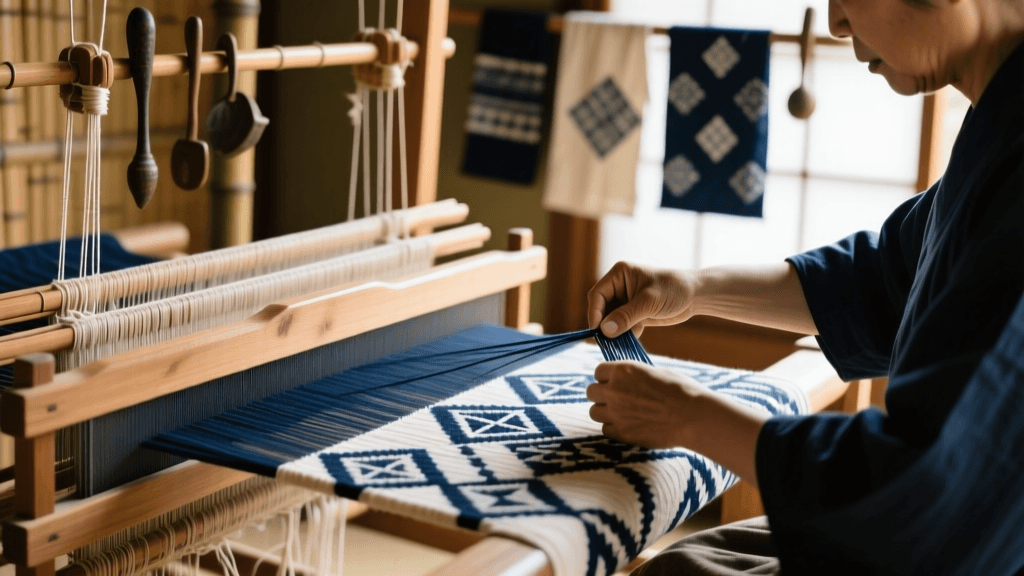
In 2026, the global appreciation for sustainable, slow-fashion textiles has sparked a massive revival in traditional Japanese hand-weaving. At the heart of this movement is the jibata, the traditional Japanese handloom, and the intricate kasuri (ikat) weaving method. Unlike the heavy, automated floor looms of the Western industrial tradition, the jibata is a deeply personal, body-connected machine that requires the weaver to become an extension of the textile. For artisans and dedicated hobbyists, mastering the jibata is not just about producing fabric; it is about preserving a tactile heritage that connects the modern era to centuries of Japanese agrarian and samurai culture.
As of 2026, acquiring a restored antique jibata or commissioning a newly crafted wooden loom from master woodworkers in Kyoto or Fukuoka has become a highly sought-after pursuit. With the rise of eco-conscious fashion, textiles produced on these looms—particularly those utilizing natural indigo and hand-spun silk—are commanding premium prices in both domestic and international markets.
Anatomy of the Traditional Japanese Handloom
To understand the weaving process, one must first understand the architecture of the jibata. The loom is predominantly constructed from Japanese cypress (hinoki) or oak, designed to flex slightly with the rhythmic movements of the weaver. The standard weaving width is calibrated to produce a tanmono, the traditional kimono bolt, which measures approximately 38 to 40 centimeters in width and up to 12 meters in length.
Core Components of the Jibata
- Chikiri (Warp Beam): The back roller that holds the unwoven warp threads under tension. In traditional setups, the weaver's body weight, secured via a backstrap, often assists in maintaining the precise warp tension required for fine silk and cotton.
- Soko (Heddles): Made from fine cotton or hemp thread in historical models, and occasionally durable synthetic equivalents in modern 2026 restorations, the heddles separate the warp threads to create the shed.
- Osa (Reed): A comb-like structure, traditionally made of split bamboo, which beats the weft thread tightly into place. The density of the reed dictates the final thread count and drape of the fabric.
- Hata (Shuttle): The boat-shaped tool that carries the weft thread. Japanese shuttles are often heavier and longer than Western counterparts, designed to be thrown with a specific flick of the wrist to glide smoothly across the warp.
The Mathematics and Art of Kasuri (Ikat) Weaving
Kasuri is the Japanese iteration of ikat, a resist-dyeing technique where threads are tightly bound before dyeing to create blurred, geometric, or pictorial patterns. The magic of kasuri lies in the fact that the pattern is not printed on the surface of the cloth; it is woven into the very structure of the yarn. According to the Traditional Crafts of Japan portal, maintained by the Ministry of Economy, Trade and Industry, the precision required to align these pre-dyed threads on the loom is considered one of the highest pinnacles of textile engineering.
The Kukuri (Tying) Process
Before a single thread touches the loom, the kasuri artisan must engage in kukuri. Bundles of cotton or silk warp and weft threads are measured and tightly wrapped with cotton string or, in modern 2026 practices, specialized vinyl tape to resist the dye. When the bundle is submerged in the dye vat, the bound areas remain the color of the raw fiber. The mathematical foresight required to map a complex pattern across thousands of threads is staggering. A misalignment of even two millimeters during the weaving process can ruin the visual cohesion of the kasuri motif.
Comparison of Major Japanese Kasuri Traditions
Japan boasts several distinct regional variations of kasuri, each with unique historical roots and material preferences. Below is a comparison of the most prominent styles actively preserved and traded in 2026.
| Tradition | Region | Primary Material | Distinctive Feature | 2026 Market Status |
|---|---|---|---|---|
| Kurume Kasuri | Fukuoka | Cotton | Intricate pictorial patterns (e-gasuri) and deep natural indigo. | High demand; artisan waitlists exceed 12 months. |
| Iyo Kasuri | Ehime | Cotton | Larger, bold geometric motifs; historically used for everyday workwear. | Stable; popular in modern interior design and fashion. |
| Bingo Kasuri | Hiroshima | Cotton / Hemp | Soft, blurred edges; often features delicate cross-hatch patterns. | Niche; highly prized by vintage textile collectors. |
| Oshima Tsumugi | Kagoshima | Silk | Mud-dyeing (iron-rich clay) combined with kasuri for a muted, metallic sheen. | Luxury tier; commands premium pricing globally. |
Ai-zome: The Living Chemistry of Japanese Indigo
You cannot discuss traditional Japanese weaving without addressing ai-zome, the natural indigo dyeing process that gives kasuri its iconic deep blue hues. In 2026, while synthetic indigo is prevalent in mass-market fashion, heritage weavers strictly utilize sukumo—dried, fermented leaves of the Polygonum tinctorium plant.
Maintaining a natural indigo vat is akin to caring for a living organism. The vat requires a delicate balance of alkalinity, typically maintained with wood ash lye (aku), and a specific pH level between 11.0 and 11.5. The artisan feeds the vat with sake (rice wine) or wheat bran to nourish the bacteria responsible for reducing the indigo, making it soluble in water. When the kasuri threads are pulled from the vat and exposed to the oxygen in the air, the dye oxidizes, shifting from a yellowish-green to a brilliant, colorfast blue. This labor-intensive process ensures that the resulting textiles are naturally antibacterial, insect-repellent, and incredibly durable.
Sourcing Materials and Workshops in 2026
For those looking to immerse themselves in this craft in 2026, Japan offers unparalleled access to master weavers. Recognized for its cultural significance, techniques like these are often documented alongside practices on the UNESCO Intangible Cultural Heritage registry, ensuring global support for their continuation.
Where to Learn
- Kurume Kasuri no Yakata (Fukuoka): Offers immersive, multi-week residencies where international students can learn the kukuri tying process and operate a traditional treadle loom. Tuition for the 2026 spring cohort is approximately ¥350,000, excluding materials.
- Iyo Kasuri Museum (Ehime): Provides excellent short-term workshops focusing on the mechanics of the jibata and shuttle throwing techniques, ideal for weavers who already have experience on Western floor looms.
Sourcing Yarn and Equipment
Acquiring a genuine, antique jibata in 2026 requires navigating specialized auctions or connecting with rural estate liquidators in the Tohoku and Kyushu regions. Prices for fully restored, weaving-ready antique looms range from ¥800,000 to ¥1,500,000 ($5,500 to $10,500 USD). For yarn, the Tsumugi silk noil threads sourced from Kagoshima and the hand-spun cotton from Okinawa remain the gold standard, though they must be ordered months in advance due to the limited number of active spinners.
Practical Advice for the Modern Weaver
Transitioning from a modern rigid-heddle or multi-shaft floor loom to a Japanese jibata requires a shift in both posture and mindset. Here are actionable tips for weavers beginning their kasuri journey this year:
- Master the Backstrap Tension: Unlike looms with fixed metal ratchets, the jibata often relies on the weaver's body to hold the warp tension. Practice leaning back with a straight spine, using your core muscles to maintain a consistent, firm pull. Inconsistent tension will cause the kasuri pattern to blur and misalign.
- The Shuttle Flick: Do not push the shuttle through the shed. The traditional Japanese method involves a sharp, rhythmic flick of the wrist, allowing the heavy wooden shuttle to glide on the 'track' of the taut warp threads. Catch it softly with the opposite hand to prevent the weft yarn from snagging.
- Humidify Your Weaving Space: Cotton and silk kasuri threads are highly sensitive to humidity. In 2026, modern weavers integrating traditional looms into climate-controlled homes must use ultrasonic humidifiers to keep the ambient humidity around 60%. This prevents the hand-spun threads from snapping under the friction of the bamboo reed.
- Use a Template for Pattern Alignment: When weaving complex e-gasuri (picture kasuri), keep a graph-paper template pinned to the side of the loom. Count your weft picks meticulously to ensure the pre-dyed weft threads align perfectly with the warp pattern.
Conclusion
The survival of the Japanese jibata and kasuri weaving methods in 2026 is a testament to the enduring allure of human touch in an increasingly automated world. Whether you are a textile collector, a fashion designer seeking sustainable inspiration, or a dedicated weaver ready to master a new discipline, the world of Japanese hand-weaving offers a profound, lifelong journey into the intersection of mathematics, chemistry, and art.