Kimono Travel Essentials 2026: Packing Guide & Where to Wear
The Renaissance of Kimono Travel in 2026
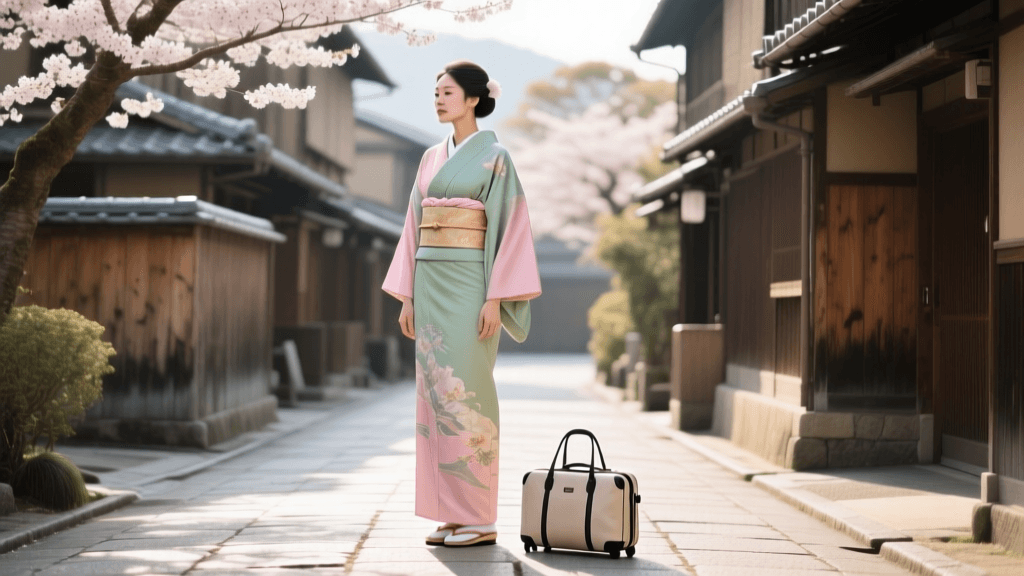
The landscape of heritage tourism has evolved significantly by 2026, with travelers seeking deeper, more authentic connections to the cultures they visit. For enthusiasts of traditional Japanese garments, packing a kimono for a trip to Japan is no longer a niche pursuit but a celebrated travel ritual. Whether you are attending a summer matsuri (festival), participating in a traditional tea ceremony, or simply wishing to experience the elegance of Japanese aesthetics while walking through historic districts, bringing your own kimono offers a deeply personal connection to the culture. However, traveling with a kimono requires meticulous planning, an understanding of modern textile care, and a respectful approach to where and how these garments are worn.
This comprehensive guide outlines the essential kimono packing strategies for 2026, highlighting the latest travel-friendly accessories, modern fabric innovations, and the most culturally appropriate destinations to showcase your attire. According to the Japan National Tourism Organization, cultural immersion remains the top priority for international visitors, making the proper wearing and care of traditional garments more relevant than ever.
Essential Kimono Packing Checklist for 2026
The traditional method of storing a kimono involves a specialized paper wrapper known as a tatoushi. In 2026, modern travelers have adapted this concept using breathable, acid-free garment wraps that protect delicate silk threads from humidity and friction during transit. When packing, always fold the kimono along its original seam lines to prevent permanent creasing. Avoid using standard Western hangers or plastic dry-cleaning bags, as these can trap moisture and cause irreversible damage to natural fibers. Instead, lay the folded garments flat at the top of your suitcase or in a dedicated rigid garment box.
Beyond the main garment, a kimono requires a specific ecosystem of undergarments and ties to achieve the correct silhouette. Below is the definitive packing checklist for the modern kimono traveler.
| Accessory | Japanese Term | Function | 2026 Travel Recommendation |
|---|---|---|---|
| Split-toe socks | Tabi | Footwear base for zori sandals | Pack stretch-jersey or contact-cool tabi for all-day walking comfort in warm weather. |
| Waist ties | Koshihimo | Securing the kimono and nagajuban | Bring 4 to 5 elasticized or silicone-grip koshihimo for quick, secure dressing without excessive pulling. |
| Belt board | Obi-ita | Smoothing the front of the obi | Use flexible, travel-sized mesh obi-ita that can be rolled up in your luggage without snapping. |
| Under-kimono | Nagajuban | Sweat absorption and collar shaping | Choose a two-piece washable cotton hadajuban and nagajuban set with a removable, easy-clean collar. |
| Collar stiffener | Eri-shin | Keeping the collar crisp and neat | Pack a flexible plastic mesh eri-shin that slides into the nagajuban collar to maintain a perfect V-shape. |
Choosing the Right Kimono for Travel
Washable Silks vs. Advanced Polyesters
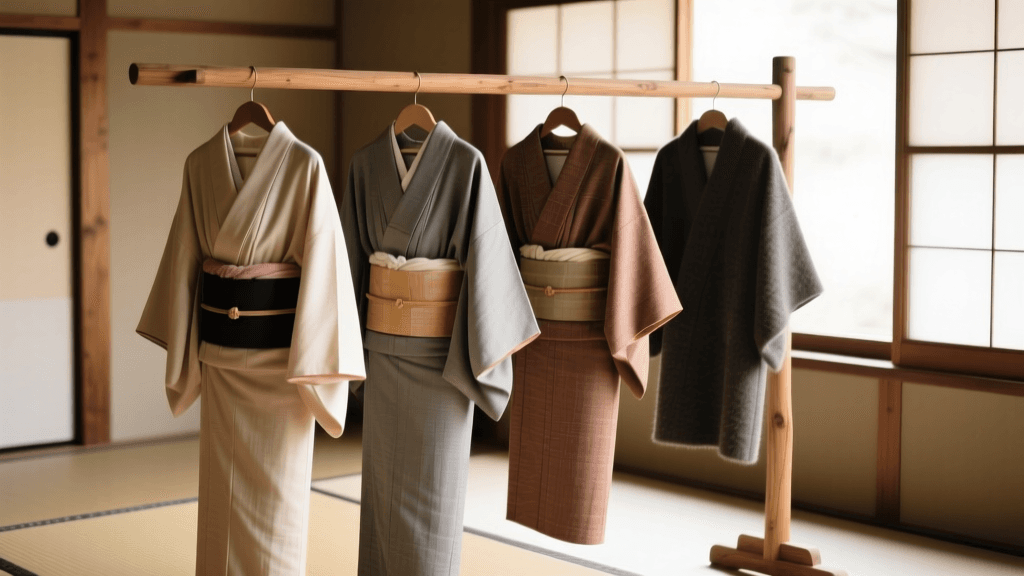
While vintage and hand-painted silk remains the gold standard for formal occasions, the 2026 market offers remarkable advancements in travel-friendly textiles. High-grade polyester kimonos, once frowned upon by purists, now feature advanced micro-weaves that mimic the luster, weight, and drape of authentic silk while offering machine-washability and wrinkle resistance. These garments are ideal for travelers who plan to wear their kimono multiple times across different cities without access to professional dry cleaning.
Furthermore, new stain-repellent and moisture-wicking treatments applied to natural silks allow travelers to wear their prized garments with peace of mind. If you are traveling during the humid Japanese summer, look for ro (gauze) or sha (leno-weave) summer kimonos, which provide exceptional breathability and a stunning translucent aesthetic that is highly appropriate for July and August travel.
Navigating the Obi and Accessories
The obi (sash) is often the most cumbersome item to pack. For travel, highly structured formal obi like the maru obi are impractical. Instead, pack a nagoya obi or a hanhaba obi (half-width obi). In 2026, pre-tied travel obi with discreet internal wire structures have become incredibly sophisticated, allowing travelers to achieve a flawless taiko musubi (drum bow) or bunko musubi (library bow) in seconds without the need for a professional dresser.
Where to Wear Your Kimono in 2026
Knowing where to wear your kimono is just as important as knowing how to pack it. Japan offers diverse landscapes, from ultra-modern metropolises to preserved samurai districts, each providing a unique backdrop for traditional attire.
Kyoto: Gion and Higashiyama Districts
Kyoto remains the undisputed heart of kimono culture. Strolling through the preserved streets of Higashiyama, past the iconic Yasaka Pagoda, is a quintessential experience. However, travelers must be aware of the updated 2026 etiquette guidelines enforced by the Kyoto City Tourism Association. The city has implemented strict rules regarding photography in the Gion district to protect the privacy of working geiko and maiko. When wearing your kimono in these areas, practice mindful tourism: walk on the designated sides of the street, avoid blocking narrow alleyways, and never photograph private individuals without explicit permission.
Kanazawa: The Samurai and Geisha Districts
For a more relaxed and intimate kimono experience, Kanazawa is the premier destination in 2026. Often referred to as 'Little Kyoto,' Kanazawa boasts the beautifully preserved Higashi Chaya geisha district and the stunning Kenrokuen Garden. The city's flat terrain and wide sidewalks make walking in zori sandals significantly easier than navigating Kyoto's crowded, hilly streets. Kanazawa is also famous for its gold leaf craftsmanship; wearing a kimono with subtle gold-leaf motifs or pairing it with a Kanazawa-yuzen dyed obi is a wonderful way to honor the local artisan heritage.
Tokyo: Asakusa and Modern Harajuku Contrasts
Tokyo offers a fascinating juxtaposition of old and new. The Asakusa district, centered around the ancient Senso-ji Temple, is a vibrant, festive environment perfect for wearing casual or semi-formal kimonos. Conversely, the fashion-forward districts of Harajuku and Omotesando have become hotspots for 'neo-kimono' styling. In 2026, it is increasingly common to see travelers and locals pairing vintage kimonos with modern accessories, such as leather boots, contemporary jewelry, and avant-garde obi belts, creating a unique sartorial dialogue between centuries.
Weather Adaptations and Transit Etiquette
Japan's weather can be unpredictable, and protecting your garment while in transit is crucial. During the rainy season (tsuyu) in June and early July, always carry a compact, high-quality umbrella and consider wearing a traditional michiyuki (kimono raincoat) or a modern, water-resistant travel coat designed specifically to cover the kimono's hemline. When riding the Shinkansen (bullet train) or navigating the Tokyo subway, practice the art of hashiri (gathering the hem). Gently lift the back and sides of your kimono and obi when sitting to prevent the fabric from dragging on the floor or crushing the delicate bow against the seat.
Cultural Etiquette and Respectful Wearing
Wearing a kimono is a profound way to show respect for Japanese culture, but it must be done correctly. The most fundamental rule is the alignment of the collar: the left side must always overlap the right side. Crossing right over left is strictly reserved for dressing the deceased for burial and is considered highly inauspicious. Additionally, ensure your hemline is adjusted correctly; the back should be slightly longer than the front, and the collar should be pulled snug at the nape of the neck while allowing a fist of space at the front collarbone.
True appreciation of the kimono lies not just in its visual beauty, but in the mindful, respectful manner in which it is worn and the understanding of the centuries of craftsmanship it represents.
By carefully selecting your garments, packing with intention, and observing local customs, your 2026 kimono travel experience will be both visually stunning and culturally enriching. Whether you are sipping matcha in a Kanazawa teahouse or attending a summer festival in Tokyo, the preparation you put into your kimono essentials will ensure you carry yourself with grace and authenticity throughout your Japanese journey.