How to Style Japanese Haori and Qipao Tops in 2026
The Renaissance of Asian Heritage in 2026 Urban Fashion
As we navigate the fashion landscape of 2026, the global wardrobe has decisively shifted away from fleeting micro-trends and fast fashion, embracing what industry experts now call 'heritage minimalism.' This movement prioritizes investment pieces, artisanal craftsmanship, and cultural storytelling. At the forefront of this sartorial evolution is the integration of traditional Asian garments into everyday modern wardrobes. Rather than treating these pieces as mere costumes or occasional ceremonial wear, contemporary style enthusiasts are masterfully blending them with urban streetwear and minimalist office attire.
Two garments leading this cross-cultural styling renaissance are the Japanese haori and the Mandarin-collar qipao top. When styled correctly, these traditional pieces add unparalleled texture, silhouette variation, and historical depth to modern outfits. This comprehensive guide will explore how to authentically source, respectfully style, and properly care for these heritage garments in 2026.
The Japanese Haori: The Ultimate Layering Piece
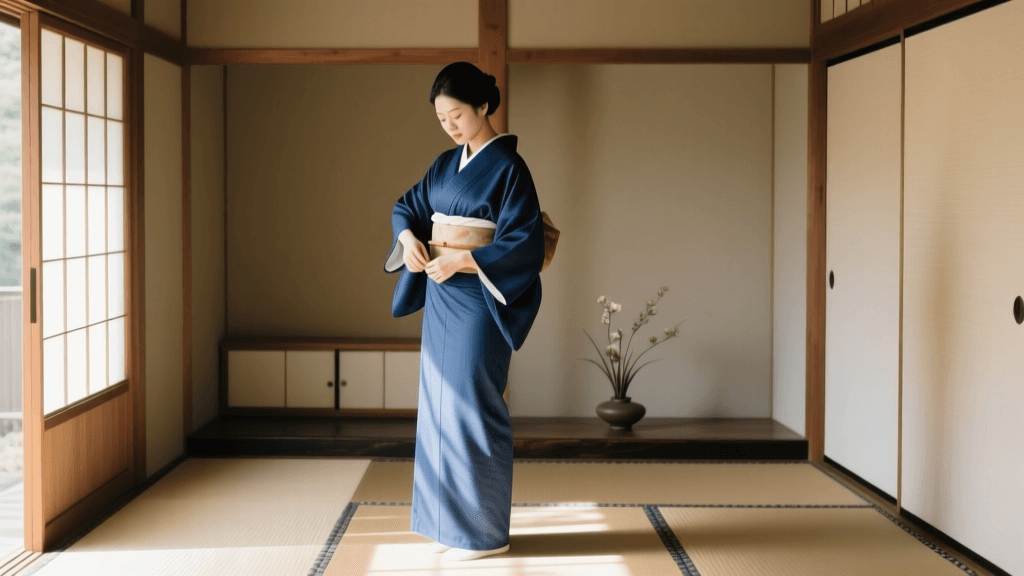
The haori is a traditional Japanese hip- or thigh-length kimono-style jacket, worn open over a kimono or, in contemporary contexts, over modern clothing. Originally popularized by samurai for warmth and later adopted as a fashionable outer layer by women during the Edo period, the haori's boxy silhouette and wide sleeves make it an inherently versatile piece for modern layering.
Sourcing Authentic Haori in 2026
The beauty of the haori lies in its textile artistry. Vintage haori from the Taisho and early Showa periods often feature exquisite yuzen (resist dyeing) techniques, intricate embroidery, and rich silk damask weaves. According to the Metropolitan Museum of Art's extensive archives on Japanese textiles, these historical weaving and dyeing methods represent a pinnacle of global textile heritage that is rarely replicated in modern mass production.
When shopping for a vintage haori to wear as streetwear in 2026, pay close attention to the yuki (the measurement from the center back seam to the end of the sleeve). To achieve the modern, relaxed drop-shoulder aesthetic, look for a yuki measurement of at least 30 to 32 inches. This ensures the sleeve seam falls naturally past your acromion bone, creating a fluid, oversized drape that pairs beautifully with contemporary wide-leg trousers and chunky footwear.
Styling the Haori Over Modern Basics
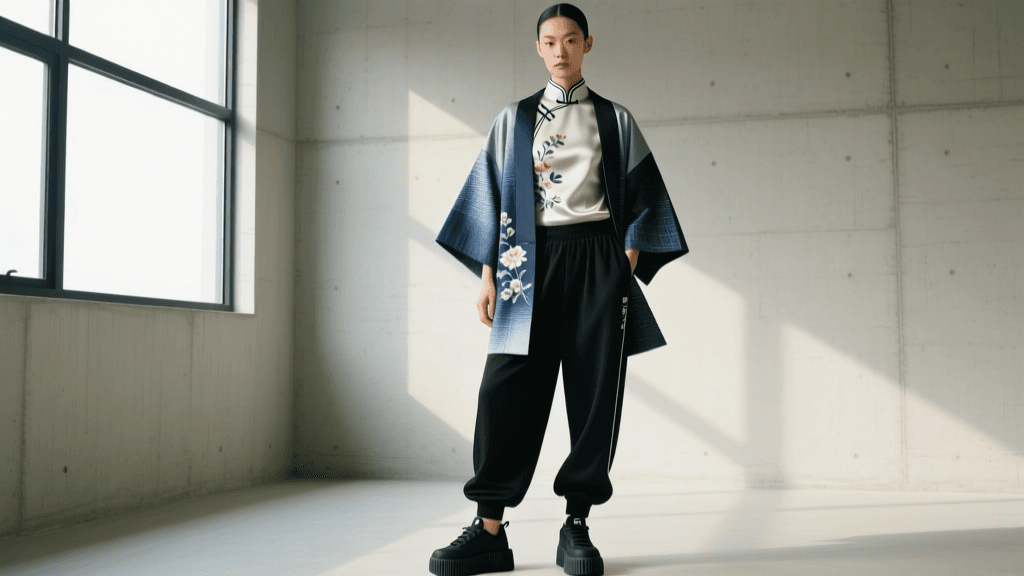
The key to integrating a haori into a 2026 streetwear wardrobe is contrast. The delicate, often ornate nature of vintage silk haori needs to be grounded by heavy, structured, and matte modern basics.
- The Minimalist Commuter: Layer a solid-colored, heavyweight (280gsm or higher) cotton crewneck t-shirt beneath a dark-toned silk haori. Pair this with high-waisted, wide-leg wool trousers and polished chunky derby shoes. The heavy cotton provides a modern canvas that prevents the outfit from looking like a costume.
- Elevated Streetwear: For a more avant-garde approach, wear a shorter, cropped haori over an oversized, neutral-toned hoodie. Combine this with relaxed-fit raw denim and technical sneakers. The juxtaposition of the haori's delicate silk against the hoodie's heavy French terry fabric creates a striking visual tension.
- Summer Evening Layering: Opt for a lightweight, unlined hemp or linen-blend haori over a crisp, oversized poplin button-down shirt, tailored shorts, and leather sandals.
The Qipao Top: Elevating Everyday Tailoring
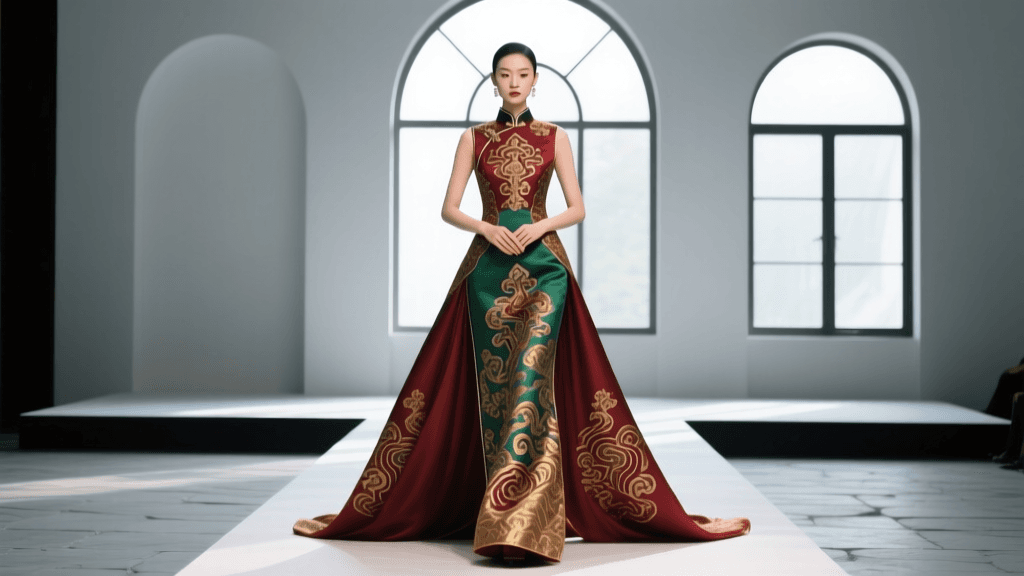
While the full-length qipao (or cheongsam) is a stunning piece of formalwear, the modern qipao top—a cropped or shirt-length garment featuring the iconic Mandarin collar and pankou (knotted frog closures)—is a highly adaptable staple for the 2026 wardrobe. Originating in 1920s Shanghai as a symbol of modernity and women's liberation, the qipao top retains its sophisticated, structured elegance while offering endless styling possibilities.
Fabric Choices for the Modern Climate
In 2026, sustainability and climate adaptability are paramount. While traditional qipao tops were often made from heavy brocades or delicate silks, contemporary artisans and ethical brands are reimagining the garment using innovative, eco-conscious materials. Look for qipao tops crafted from peace silk (ahimsa silk), Tencel lyocell, or organic linen-cotton blends. These fabrics maintain the structural integrity required for the stiff Mandarin collar while offering breathability and a lower environmental footprint.
Office-to-Evening Qipao Top Formulas
The qipao top excels in smart-casual and professional environments, offering a refined alternative to the standard button-down shirt or blouse.
- The Modern Professional: Tuck a sleeveless, raw-silk qipao top into high-waisted, pleated trousers. The structured collar draws the eye upward, creating a sharp, authoritative silhouette. Finish the look with pointed-toe loafers and a structured leather tote.
- Weekend Casual: Pair a short-sleeve, linen-blend qipao top with tailored Bermuda shorts and minimalist leather sneakers. Leave the bottom hem untucked if the garment features a slightly flared, tunic-like cut, allowing the side slits to provide ease of movement.
- Evening Edge: Layer a fitted, long-sleeve velvet qipao top under an oversized, sharp-shouldered blazer. Pair with dark, straight-leg denim and heeled ankle boots for a look that bridges traditional romance with modern power dressing.
Comparison Chart: Haori vs. Qipao Top for Modern Wardrobes
Understanding the distinct structural differences between these two garments is crucial for building a cohesive 2026 wardrobe. Below is a breakdown of how each piece functions in a contemporary context.
| Feature | Japanese Haori | Qipao Top / Mandarin Shirt |
|---|---|---|
| Silhouette | Boxy, open-front, wide draped sleeves | Fitted or semi-structured, high stiff collar |
| Best Modern Pairing | Wide-leg trousers, chunky sneakers, heavy tees | Tailored pleated trousers, loafers, blazers |
| Ideal Fabric for 2026 | Vintage silk, hemp blends, raw cotton | Cupro, peace silk, linen-cotton, Tencel |
| Primary Function | Outer layer / Statement jacket | Base layer / Elevated shirting |
| Maintenance Level | High (professional spot clean or dry clean) | Medium (gentle hand wash or eco wet clean) |
Rules for Respectful and Cohesive Cultural Styling
As traditional Asian garments become more prominent in global streetwear, the line between cultural appreciation and cultural appropriation must be navigated with care and respect. The Kyoto Costume Institute frequently highlights the deep historical and social significance embedded in Asian dress, reminding us that these are not merely aesthetic trends, but artifacts of cultural identity.
To style these pieces respectfully in 2026:
- Avoid 'Costuming': Do not mix a haori or qipao top with other highly specific cultural accessories (like traditional wooden geta sandals or elaborate ceremonial hairpieces) unless you are participating in a specific cultural event. Ground the garments in your everyday, modern reality.
- Support Authentic Artisans: Whenever possible, purchase directly from Asian designers, heritage brands, or reputable vintage curators who properly attribute the origins of the garments and compensate artisans fairly.
- Understand the Garment: Take the time to learn about the history of the piece you are wearing. Knowing the difference between a formal kurotomesode haori and a casual, everyday komon haori will inform how and where you choose to wear it.
Care and Maintenance for Heritage Textiles
Preserving the integrity of traditional garments requires moving away from harsh, outdated chemical cleaning methods. In 2026, the standard for caring for vintage silks and delicate embroideries is professional wet cleaning or liquid CO2 cleaning, which are both highly effective and environmentally sustainable.
According to conservation guidelines outlined by the Victoria and Albert Museum's Asia Collections, light, humidity, and improper storage are the greatest enemies of historical textiles. To protect your investments:
- Storage: Never hang a heavy, vintage silk haori on a wire hanger, as the weight of the fabric will distort the shoulder seams. Instead, fold it using acid-free tissue paper to cushion the creases, and store it in a breathable cotton garment bag in a cool, dark environment.
- Odor Removal: If your qipao top or haori absorbs urban odors, avoid spraying it with commercial fabric refreshers, which can stain silk. Instead, hang the garment in a well-ventilated room or use a handheld garment steamer on a low, indirect setting to gently lift odors and relax wrinkles.
- Moth Prevention: For wool-lined or heavy silk pieces, use natural cedar blocks or dried lavender sachets rather than chemical mothballs, which can degrade protein-based fibers over time.
Conclusion
Mixing traditional Asian pieces with modern wardrobes in 2026 is an exercise in mindful styling and cultural appreciation. By treating the Japanese haori and the qipao top as the masterworks of tailoring and textile art that they are, you can build a wardrobe that is not only visually striking but deeply meaningful. Whether you are draping a vintage silk haori over a heavy cotton streetwear staple or tucking a sustainable linen qipao top into tailored office trousers, these heritage garments offer a timeless elegance that transcends the fleeting nature of modern fashion trends.