Kimono Kitsuke Mindfulness: Slow Fashion Wellness Rituals for 2026
The Intersection of Traditional Garments and Mental Health
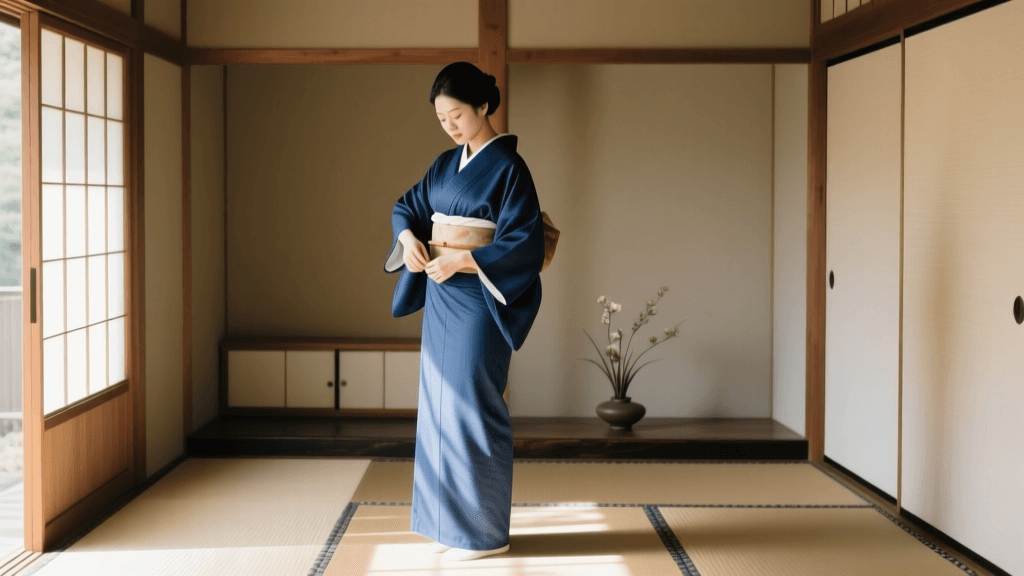
In the wellness landscape of 2026, the global conversation around mental health has shifted significantly from digital detoxes toward 'analog grounding.' As our daily lives become increasingly mediated by screens and instantaneous gratification, individuals are seeking out tactile, deliberate practices to regulate their nervous systems. One of the most profound and historically rich practices emerging in this space is the traditional Japanese art of kitsuke—the precise, intentional method of dressing in a kimono. Far from being merely a historical costume or a fashion statement, the kimono and its dressing ritual offer a powerful framework for mindfulness, somatic awareness, and slow fashion wellbeing.
The act of putting on a kimono requires time, patience, and a deep connection to the physical body. Unlike modern Western garments that are designed to be slipped on in seconds, a kimono demands a sequence of deliberate movements, spatial awareness, and breath control. In 2026, wellness practitioners and slow fashion advocates alike are recognizing kitsuke as a form of moving meditation, bridging the gap between cultural preservation and modern psychological resilience.
The Psychology of Slow Dressing and Enclothed Cognition
To understand why the kimono acts as a tool for wellbeing, we must look at the psychological concept of 'enclothed cognition.' This phenomenon describes the systematic influence that clothes have on the wearer's psychological processes. When you wear a garment that carries cultural weight, physical structure, and historical significance, your brain shifts its cognitive state to align with those attributes.
According to research highlighted by Harvard Health Publishing, mindfulness practices that incorporate physical routines and sensory awareness are highly effective in reducing cortisol levels and anchoring the mind in the present moment. The physical weight of a silk kimono, the restrictive but supportive embrace of the obi (sash), and the tactile sensation of the fabric against the skin provide continuous sensory feedback. This feedback loop prevents the mind from wandering into anxious future-casting or depressive rumination, effectively grounding the wearer in the 'here and now.'
Sensory Grounding: Fabric Weights and Textures
A crucial element of kimono mindfulness is the intentional selection of textiles based on the season and the wearer's sensory needs. The traditional Japanese wardrobe is strictly seasonal, which forces the wearer to engage with the natural rhythms of the environment—a core tenet of holistic wellbeing.
- Winter (Chirimen and Tsumugi): Heavy silk crepe (chirimen) and textured pongee (tsumugi) provide deep pressure therapy. The weight of these fabrics acts similarly to a weighted blanket, stimulating the parasympathetic nervous system and promoting a sense of safety and calm.
- Summer (Ro and Sha): Woven silk gauze (ro and sha) offers a cooling, breathable sensation. The focus here shifts from deep pressure to mindful airflow, encouraging light, diaphragmatic breathing and a sense of physical liberation.
- Transitional Seasons (Meisen and Cotton): Stiffer, more structured fabrics like vintage meisen silk or indigo-dyed cotton provide crisp auditory and tactile feedback with every movement, enhancing spatial awareness.
The Kitsuke Ritual: A Step-by-Step Moving Meditation
Transforming your morning dressing routine into a wellness ritual requires shifting your focus from the destination (being dressed) to the journey (the act of dressing). Here is how to approach the core steps of kitsuke as a mindfulness practice in 2026.
1. The Juban (Undergarment): Centering the Breath
The nagajuban is the foundation of the kimono. As you slip your arms into the sleeves, pause to align your posture. Roll your shoulders back and down. Take three deep, intentional breaths, feeling the cotton or silk lining settle against your skin. This is your transition moment, leaving the chaos of the outside world behind and entering a space of personal reverence.
2. The Kimono: Aligning the Spine
When you drape the kimono over your shoulders, you must adjust the ohashori (the fold at the waist). This step requires you to bend, reach, and smooth the fabric. Do this slowly. Pay attention to the alignment of your spine. The straight, vertical lines of the kimono's seams act as a physical guide for your posture, encouraging an upright, confident, and open chest position that is scientifically linked to improved mood and energy levels.
3. The Datejime (Ties): Conscious Tension
The datejime are the under-sashes used to secure the garment. As you wrap them around your torso, practice conscious tension. Pull the fabric snugly enough to provide support, but not so tightly that it restricts your breath. This physical act mirrors the psychological practice of setting healthy boundaries—firm, supportive, yet flexible.
4. The Obi (Sash): Anchoring the Hara
In Japanese philosophy, the hara (the lower abdomen) is the center of physical and spiritual gravity. Tying the obi is the most complex and physically demanding part of kitsuke. As you wrap the thick sash around your core, visualize anchoring your energy. Focus entirely on the friction of the silk, the geometry of the folds, and the final, secure knot. According to experts at Mindful.org, focusing on complex, tactile tasks is a primary method for achieving 'flow state,' a mental state of complete immersion and tranquility.
Fast Fashion Dopamine vs. Kitsuke Mindfulness
To truly appreciate the wellbeing benefits of the kimono, it is helpful to contrast the experience with the modern fast fashion cycle. The table below illustrates how the psychological impacts of these two approaches to clothing differ vastly.
| Aspect | Fast Fashion Cycle | Kimono Kitsuke Ritual |
|---|---|---|
| Neurological Response | Short-term dopamine spike from purchasing; rapid habituation and subsequent dissatisfaction. | Sustained serotonin and endorphin release through tactile engagement, routine, and mastery of a skill. |
| Time Perception | Rushed; clothing is a disposable utility meant to be consumed quickly. | Expansive; the 20-to-30-minute dressing process alters time perception, inducing a meditative state. |
| Body Relationship | Often critical; garments are sized rigidly, leading to body dysmorphia and physical discomfort. | Accepting; the kimono is tailored to the individual's body via folding and wrapping, honoring the wearer's current shape. |
| Environmental Connection | Disconnected; synthetic fabrics and global supply chains obscure the origins of the garment. | Deeply connected; seasonal motifs and natural fibers align the wearer with the natural world. |
Curating a Mindful Slow Fashion Wardrobe in 2026
Engaging with the kimono is inherently an act of slow fashion. In 2026, the most sustainable and mindful way to build a kimono wardrobe is through the curation of vintage and antique garments. The circular fashion economy is not a new trend; it is the historical reality of Japanese textiles, where garments were meticulously unpicked, cleaned, re-dyed, and resewn across generations.
By choosing to wear vintage kimono, you are participating in a circular system that honors the labor of the artisans who originally wove the silk and dyed the threads. The Ellen MacArthur Foundation emphasizes that extending the life of existing garments is one of the most impactful ways to reduce the fashion industry's carbon footprint and promote psychological sustainability over consumerist guilt.
Mindful Garment Care as a Wellness Practice
The maintenance of a kimono is also a meditative act. Instead of tossing garments into a washing machine, the traditional care routine involves mushiboshi (airing out the garments in the shade) and careful folding. The rhythmic, precise folding of a kimono into its rectangular tatou-shi storage paper requires focus and gentle handling. Using natural, aromatic moth repellents like camphor or dried clove engages the olfactory system, further enhancing the sensory, grounding experience of caring for your wardrobe.
Integrating Kitsuke into Your Weekly Wellness Routine
You do not need to wear a kimono every day to reap its mental health benefits. In fact, preserving the specialness of the ritual is key to its efficacy as a mindfulness tool. Here is a practical guide to integrating kitsuke into your 2026 wellness routine:
- The Sunday Morning Reset: Dedicate 45 minutes every Sunday morning to dress in a casual kimono (such as a cotton yukata or a wool kimono). Use this time to drink matcha, journal, or simply sit in silence before the week begins.
- Seasonal Transitions: Mark the changing of the seasons (the spring equinox, the summer solstice, etc.) by formally changing your wardrobe. This physical act of swapping heavier silks for breathable gauze helps your brain process the passage of time and adapt to seasonal affective shifts.
- The 'Armor' for High-Stakes Days: Use the structural support and enclothed cognition of the kimono to prepare for days requiring deep emotional resilience, such as public speaking, difficult conversations, or creative launches. The physical embrace of the obi can serve as a somatic anchor when you feel overwhelmed.
Ultimately, the kimono is more than a beautiful garment; it is a vessel for presence. In a world that constantly demands we move faster, the deliberate, unhurried art of kitsuke invites us to slow down, breathe deeply, and find profound wellness in the folds of tradition.