Styling the Japanese Haori with Modern Minimalist Wardrobes 2026
The Evolution of the Haori in 2026
The traditional Japanese haori has long been celebrated as a masterpiece of textile art and functional layering. Originally worn by samurai as a protective layer over armor, and later adopted during the Edo period as a fashionable outer garment for both men and women, the haori has continuously evolved. In 2026, the global fashion landscape has fully embraced "heritage minimalism," a movement that prioritizes culturally significant, artisanal garments over fast-fashion trends. The haori sits at the very center of this movement, offering a structured yet fluid silhouette that bridges the gap between ancient craftsmanship and contemporary streetwear.
According to the Metropolitan Museum of Art, the haori's distinct T-shaped construction and open front make it inherently versatile, allowing it to function much like a modern duster coat or unstructured blazer. Today, fashion enthusiasts are no longer reserving these pieces for ceremonial occasions. Instead, they are integrating them into daily rotation, pairing them with everything from tailored wide-leg trousers to heavy-weight denim. This guide will break down exactly how to style, source, and care for a haori in a modern wardrobe in 2026.
Anatomy of a Modern-Ready Haori
Before mixing a haori with contemporary clothing, it is essential to understand its structural nuances. Unlike the kimono, which wraps tightly around the body and is secured with an obi (sash), the haori is designed to be worn open. It falls anywhere from the hips to the mid-thigh, featuring wide, sweeping sleeves and a subtle, folded collar.
For modern styling, the length and fabric weight are your most critical variables. A chubaori (mid-length haori) is generally the most forgiving for contemporary layering, as it hits right around the mid-thigh, mimicking the proportions of a modern longline cardigan or lightweight trench coat. Shorter haori jackets, which sit at the hip, are excellent for high-waisted streetwear looks, providing a cropped, boxy silhouette that pairs beautifully with voluminous bottoms.
Core Styling Principles for Heritage Minimalism
Integrating a highly patterned or historically significant garment into a modern outfit requires a balanced approach. Here are the core principles to follow in 2026 to ensure your outfit looks intentional rather than costumey.
1. The Rule of Proportion and Volume
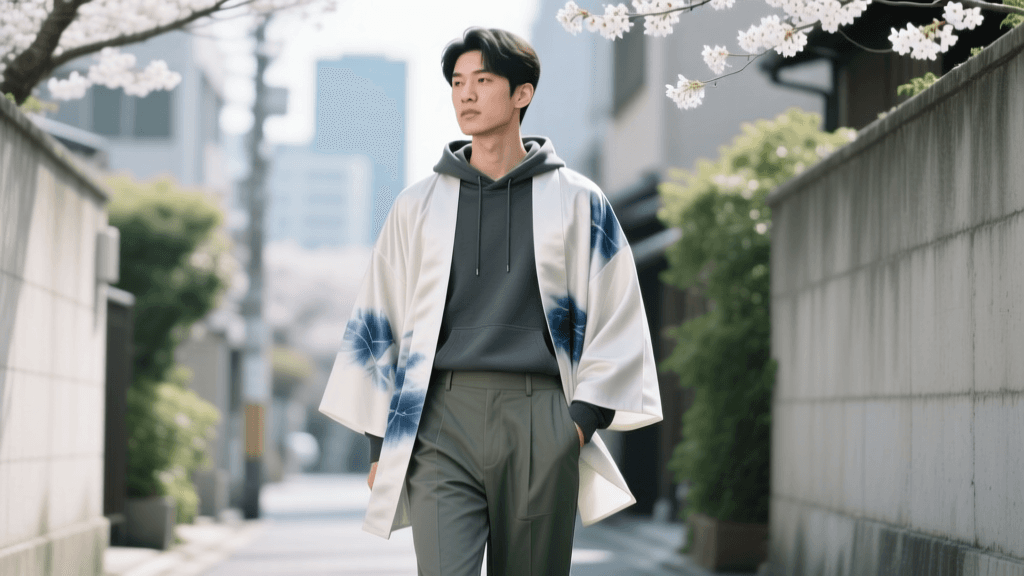
Because the haori features wide, drop-shoulder sleeves and a boxy torso, it naturally adds volume to your upper body. To maintain a sleek, modern silhouette, balance this volume. If you are wearing an oversized, mid-thigh haori, pair it with straight-leg or slightly tapered trousers. If you prefer a cropped haori, you can experiment with wider, more dramatic bottoms, such as pleated wide-leg trousers or baggy cargo pants.
2. Anchoring with Neutral Basics
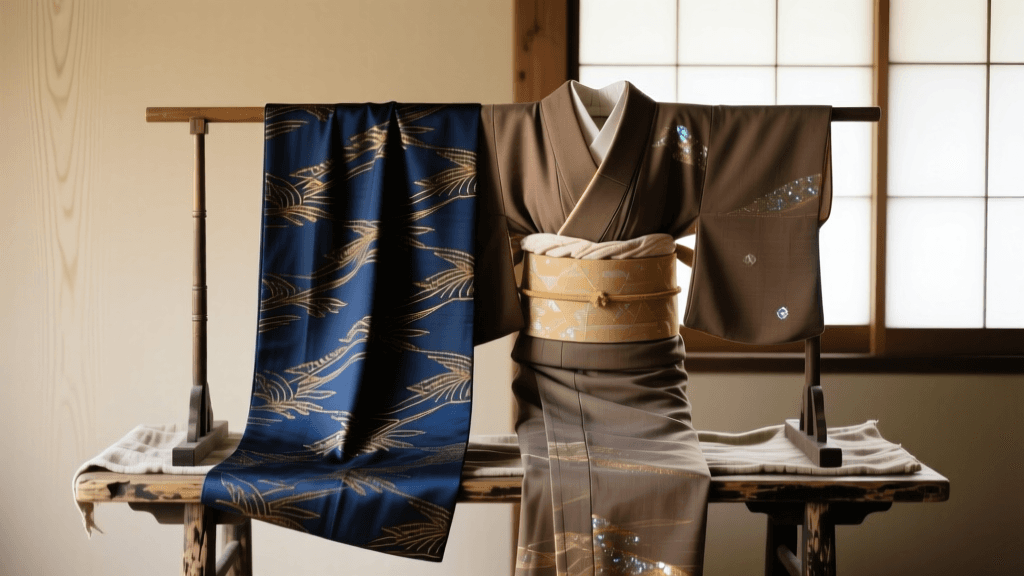
Traditional haori often feature intricate family crests (kamon), nature-inspired motifs, or bold geometric patterns woven into the silk. To let the garment speak for itself, anchor the rest of your outfit in neutral, solid colors. A 2026 staple is the monochromatic base layer: think a charcoal turtleneck, an ivory ribbed knit, or a crisp white poplin shirt. This creates a gallery-like backdrop for the haori.
3. Reimagining the Haori Himo
The haori himo is the traditional braided tie used to fasten the jacket at the chest. While wearing the himo is historically accurate and adds a beautiful textural element, leaving the haori completely open is often more practical for modern, on-the-go layering. If you choose to fasten it, consider swapping the traditional silk braid for a modern minimalist brooch, a subtle metallic clasp, or a simple leather tie to bridge the gap between eras.
Three Actionable Outfit Formulas for 2026
To help you visualize how to incorporate this piece into your weekly rotation, here are three highly specific outfit formulas tailored for the current year's fashion climate.
Look 1: The Corporate Creative
The Vibe: Sophisticated, architectural, and office-appropriate for creative industries.
The Formula: Mid-thigh solid black or navy silk haori + ivory mock-neck long-sleeve bodysuit + high-waisted charcoal wide-leg wool trousers + leather loafers.
Styling Note: The mock-neck bodysuit mimics the high collar of a traditional kimono without the bulk, while the wool trousers provide a sharp, tailored contrast to the fluid drape of the silk haori. Add a structured leather tote to complete the professional aesthetic.
Look 2: Elevated Streetwear
The Vibe: Edgy, relaxed, and heavily textured.
The Formula: Cropped, heavily patterned vintage haori + heavyweight vintage-wash graphic tee + olive green utility cargo pants + chunky retro sneakers.
Styling Note: Streetwear in 2026 relies heavily on the juxtaposition of delicate heritage fabrics with rugged, utilitarian materials. The delicate silk of the haori contrasts beautifully with the heavy cotton of the graphic tee and the durable canvas of the cargo pants. Roll the sleeves of the tee slightly to mirror the wide opening of the haori sleeves.
Look 3: Summer Evening Elegance
The Vibe: Breezy, romantic, and effortless.
The Formula: Sheer or lightweight linen-blend haori + silk slip dress (midi length) + strappy leather sandals + minimalist metallic jewelry.
Styling Note: As sustainable summer textiles have advanced, 2026 has seen a surge in sheer, breathable linen and hemp haori designed specifically for warm weather. Worn over a simple silk slip dress, the haori acts as a lightweight duster that provides coverage while allowing the underlying dress to move freely.
Fabric Comparison Guide for Modern Layering
Choosing the right fabric is crucial for ensuring your haori fits seamlessly into a modern wardrobe. Below is a comparison of the most common haori textiles available in 2026 and how best to style them.
| Fabric Type | Drape & Weight | Best Modern Pairing | 2026 Price Range (USD) |
|---|---|---|---|
| Vintage Silk (Rinzu/Chirimen) | Fluid, medium-weight, delicate | Tailored wool trousers, turtlenecks | $45 – $120 |
| Contemporary Linen-Blend | Structured, lightweight, breathable | Denim, cotton slip dresses, summer tees | $130 – $220 |
| Recycled Poly/Obi-Weave | Stiff, heavy, highly textured | Streetwear, cargo pants, heavy knits | $180 – $350 |
| Wool/Cashmere Blend | Warm, structured, matte finish | Winter layering, denim, leather boots | $250 – $450 |
Sourcing, Sustainability, and Care
The secondary market for vintage Japanese garments has exploded, making it easier than ever to source authentic, high-quality silk haori at accessible prices. Platforms specializing in curated vintage Asian textiles offer pieces starting around $45. However, the 2026 market is also rich with contemporary makers who are producing new haori using sustainable, lab-grown silks and upcycled obi weaves, catering to those who prefer unworn, modern sizing.
As noted by the Victoria and Albert Museum, the preservation of traditional Japanese dress is deeply tied to how these garments are cared for and adapted by new generations. Proper care is non-negotiable. Vintage silk haori should never be machine washed. Instead, spot clean minor stains with a damp microfiber cloth and a pH-neutral detergent, and rely on professional dry cleaning for deeper maintenance. Always store your haori on wide, padded hangers to support the shoulder seams, and keep them in breathable cotton garment bags away from direct sunlight to prevent the natural dyes from fading.
Conclusion
Mixing traditional Asian pieces with modern wardrobes is not about diluting their history; it is about honoring their craftsmanship by keeping them relevant and worn. The Japanese haori is a masterclass in versatile design, offering a unique silhouette that elevates everything from minimalist office wear to bold streetwear. By understanding proportion, anchoring your outfit with modern basics, and selecting the right fabric for the season, you can seamlessly integrate this iconic garment into your 2026 rotation, creating a personal style that is deeply rooted in heritage yet entirely contemporary.