Japanese Festival Costumes: Yukata and Happi Guide
The Intersection of Tradition and Performance in Japanese Festivals
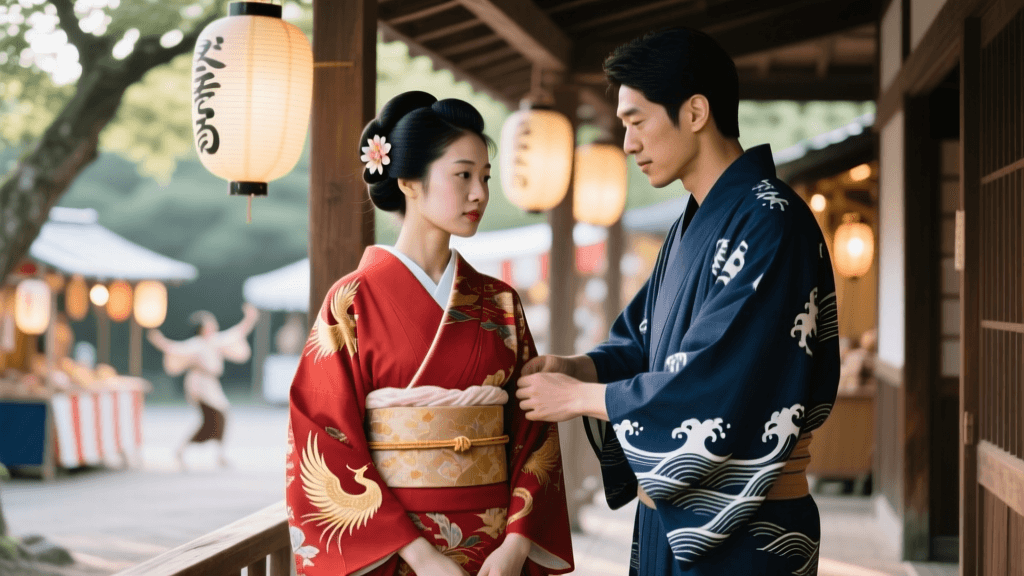
Japanese summer festivals, known as matsuri, and the ancestral Bon Odori dances are vibrant expressions of community, spirituality, and art. However, the garments worn during these events are not merely decorative; they are highly functional performance costumes designed to withstand extreme heat, facilitate complex choreography, and project cultural identity. Whether you are preparing to carry a mikoshi (portable shrine) through the streets of Tokyo or participating in a synchronized Bon Odori circle in Kyoto, understanding the mechanics of festival attire is crucial. This guide explores the practicalities of sourcing, sizing, and wearing the two most iconic Japanese festival garments: the yukata and the happi coat.
The Yukata: Elegance Meets Choreography
Historically a simple bathrobe, the yukata evolved into the quintessential summer garment. According to the Metropolitan Museum of Art, the yukata's transition from private loungewear to public festival attire mirrors the broader democratization of silk-patterned aesthetics into accessible cotton textiles during the Edo period. For performers, the yukata offers a balance of breathability and dramatic visual impact.
Fabric Selection for High-Movement Environments
When selecting a yukata for dance or festival performance, fabric weight and weave are paramount. Traditional yukata are made from a single bolt of cotton cloth known as a tanmono, which measures approximately 36 to 40 centimeters in width. For Bon Odori dancing, opt for 100% cotton chugata (medium-pattern) or lightweight ro (leno weave) cotton. These fabrics wick moisture effectively and dry quickly. Avoid polyester blends if you are performing outdoors in July or August, as they trap heat and restrict the natural drape required for fluid arm movements during dances like the Tankō Bushi.
Sizing, Measurements, and the Ohashori
Unlike Western clothing, yukata are tailored to the individual's height through a waist fold called the ohashori. For performers, the standard rule of thumb is that the total length of the yukata should be your height minus 30 centimeters. However, for active festival performances, performers often adjust the ohashori slightly higher (ankle-baring) to prevent the hem from catching on the ground during dynamic footwork. Ensure the miyatsukuchi (the side slits beneath the armpits on women's yukata) are adequately finished to prevent tearing when raising arms above the head.
Obi Knots and Center of Gravity
The type of knot tied at the back also influences performance. Women typically wear the bunko (bow knot), which is visually striking but can interfere with leaning backward during certain dance poses. Many female Bon Odori performers opt for the kai-no-kuchi (clamshell knot), a flatter, more masculine knot that keeps the center of gravity low and prevents the sash from catching on other dancers in a crowded circle. Men and children almost exclusively use the kai-no-kuchi or a simple one-loop knot for maximum stability during vigorous movement.
The Happi Coat: The Ultimate Festival Uniform
While the yukata is favored for dance and evening strolls, the happi coat is the undisputed uniform of the active festival participant, particularly those engaged in the physically demanding task of carrying the mikoshi. The Japan National Tourism Organization (JNTO) highlights that the visual uniformity of happi coats creates a powerful sense of solidarity and neighborhood pride during these massive communal undertakings.
Anatomy and Sourcing of the Happi
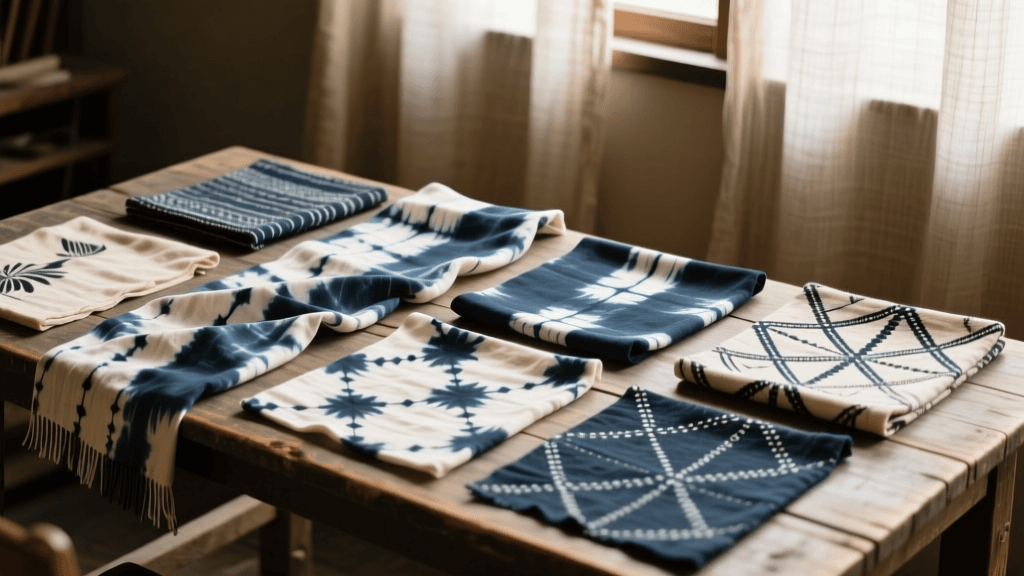
A happi is a straight-lined, T-shaped coat, typically dyed in indigo with a prominent crest (mon) or kanji character on the back representing a local shrine, neighborhood association, or merchant guild. For performance, the happi is worn open or secured with a simple cotton belt over a haramaki (stomach warmer) or a tight-fitting long-sleeved shirt. When sourcing a happi for a specific festival, note that many neighborhood associations strictly regulate who can wear their official crests. If you are an outsider participating as a guest or tourist, look for generic festival happi coats featuring auspicious kanji like matsuri (festival) or shin (spirit). Standard sizes are surprisingly forgiving due to the straight cut, but sleeve length (sode-take) should ideally end at the mid-forearm to allow for an unimpeded grip when lifting heavy wooden shrine poles.
Momohiki: The Hidden Performance Layer
Beneath the happi, active participants—especially those shouldering the heavy wooden beams of a mikoshi—wear momohiki. These are tight-fitting, reinforced cotton trousers that taper at the calf, allowing them to be tucked into jika-tabi boots. The compression provided by momohiki supports the thigh muscles during the rhythmic bouncing and lifting required to hoist a shrine that can weigh upwards of two tons, making them an essential, albeit hidden, component of the festival costume.
Performance Footwear: Geta, Zori, and Tabi
No festival costume is complete without appropriate footwear, which directly impacts endurance. Geta (wooden clogs) are the traditional pairing for yukata. For Bon Odori dancing, choose koma-geta with low, flat teeth (approximately 4 to 5 centimeters high) to maintain a low center of gravity and prevent ankle strain during repetitive stomping. The hanao (the fabric thong that passes between the toes) of a geta can cause severe blistering during a multi-hour parade. To mitigate this, performers often wrap the hanao in medical tape or apply specialized friction-reducing balms to the webbing of the toes before the event begins. For mikoshi carriers, flat straw zori or rubber-soled jika-tabi (split-toe boots) are increasingly common, providing the necessary traction on wet asphalt and reducing the impact on the knees and lower back.
Comparison Chart: Yukata vs. Happi for Festival Performances
| Feature | Yukata | Happi Coat |
|---|---|---|
| Primary Use Case | Bon Odori dancing, evening parades, shrine visits | Mikoshi carrying, taiko drumming, neighborhood logistics |
| Mobility Level | Moderate (restricted stride, requires hem management) | High (open front, allows full leg and torso extension) |
| Setup Time | 15–20 minutes (requires obi tying and ohashori adjustment) | 2–3 minutes (slip on and tie belt) |
| Average Cost (USD) | $40 – $150 (plus $30 for obi) | $30 – $90 |
| Standard Footwear | Geta (wooden clogs) with bare feet or tabi | Zori (straw sandals), waraji (straw rope sandals), or jika-tabi |
| Heat Management | Good (breathable cotton, but full body coverage) | Excellent (open front, easily removed during breaks) |
Practical Guide: Timing, Costs, and Where to Buy
Timing Your Purchase
If you are planning to attend or perform in a major summer festival like the Gion Matsuri in Kyoto or the Awa Odori in Tokushima, timing is everything. Retailers in Japan begin stocking summer festival apparel in late March. To secure the best selection of authentic cotton weaves and specific sizes, purchase your garments between April and May. Ordering custom-dyed happi coats for a performance troupe requires a minimum lead time of 6 to 8 weeks from specialized dyers in Kyoto or Tokyo.
Budgeting and Sourcing
For authentic, performance-grade garments, avoid cheap synthetic costumes sold by generic party suppliers. A high-quality, domestically produced cotton yukata from a reputable brand like Yamato or Fujiya will cost between ¥8,000 and ¥15,000 ($55–$100 USD). A matching cotton hanhaba obi (half-width sash) will add another ¥3,000 to ¥5,000. Happi coats can be sourced from specialized workwear stores (shokunin shops) or online retailers like Japan T-shirt or Suzuya, typically ranging from ¥4,000 to ¥10,000 ($25–$70 USD).
For international performers, specialized online kimono exporters offer pre-tied tsuke-obi (clip-on sashes) that mimic the complex knots. While traditionalists may eschew them, for a Bon Odori performer focused on dance mechanics rather than dressing ceremony, a well-made tsuke-obi saves crucial preparation time and ensures the sash does not unravel during vigorous spinning and clapping routines.
Maintenance and Storage
After the festival, proper care ensures the longevity of your costume. Cotton yukata should be hand-washed in cold water with a neutral detergent, folded along their original seam lines, and stored flat to prevent permanent creasing. Happi coats, especially those dyed with natural indigo, should be washed separately to prevent dye bleeding and dried in the shade, as direct UV exposure will rapidly fade the deep blues that define their striking aesthetic.