Best Japanese Fashion Blogs for Traditional Garments 2026
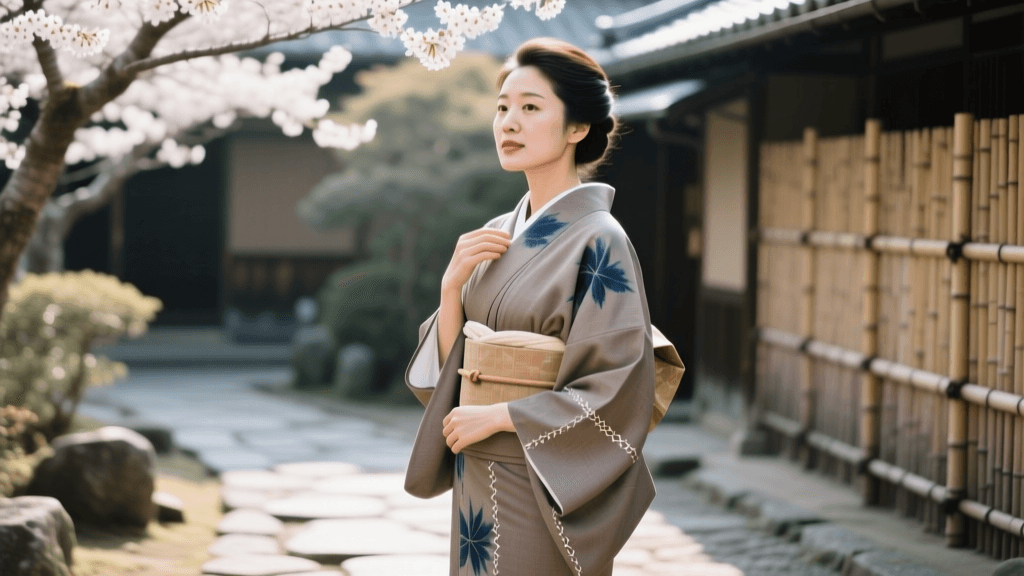
The Digital Renaissance of Japanese Fashion Journalism in 2026
The landscape of Japanese fashion journalism has undergone a massive transformation by 2026. While print magazines once dictated the trends of Harajuku and Ginza, today’s most influential voices in traditional and neo-traditional garments operate through digital-first platforms, niche online magazines, and specialized fashion blogs. For enthusiasts of traditional Asian garments—from the intricate silk weaves of Oshima Tsumugi kimono to the breathable cotton of summer jinbei—these digital publications serve as the ultimate bridge between centuries-old craftsmanship and contemporary wardrobes.
In 2026, the 'Neo-Wafuku' (modern Japanese clothing) movement is no longer a fringe subculture; it is a dominant force in sustainable fashion. Fashion journalists are now focusing heavily on how traditional theater costumes, natural dyeing techniques like aizome (indigo), and secondhand kimono markets are influencing global runways. For researchers, designers, and cultural enthusiasts, knowing which Japanese fashion blogs and online magazines provide the most authoritative, up-to-date coverage is essential. This guide breaks down the premier digital publications covering traditional Japanese garments this year.
Top Online Magazines & Blogs for Heritage Garment Coverage
1. Vogue Japan: The Intersection of High Fashion and Artisan Craft
While globally recognized as a luxury fashion authority, Vogue Japan has dedicated substantial editorial space in 2026 to the preservation and modernization of traditional Japanese textiles. Their digital platform frequently features long-form journalism on the aging artisans of Kyoto and Kanazawa, highlighting techniques such as Yuzen dyeing and Edo Komon stencil cutting. What makes Vogue Japan indispensable for traditional garment enthusiasts is their focus on how high-fashion designers are integrating vintage kimono fabrics into modern silhouettes. Their recent 2026 editorial series on 'Upcycled Heritage' explores how luxury houses are sourcing from secondhand markets to create bespoke haori jackets and hakama trousers, setting the tone for global sustainable luxury.
2. Tokyo Fashion: Documenting the Street-Level Neo-Tradition
For those interested in how traditional garments are actually worn on the streets of Tokyo, Osaka, and Kyoto, Tokyo Fashion remains the undisputed king of street style documentation. In 2026, their photographers have captured a massive surge in youth demographics styling vintage kimono elements with modern streetwear. It is now common to see their galleries featuring oversized graphic tees layered under formal silk haori, or traditional tabi boots paired with wide-leg hakama. The blog's strength lies in its visual storytelling and rapid update cycle, providing real-time data on which traditional accessories—such as kanzashi hairpins and braided obijime cords—are trending among Gen Z and Millennial fashion subcultures.
3. The Japan Times Culture Section: Societal Impact and Market Analysis
For deep-dive journalism, market statistics, and cultural context, the The Japan Times culture and lifestyle section offers unparalleled reporting. In 2026, their fashion journalists have extensively covered the economic boom of the secondhand kimono market. With new kimono production facing supply chain challenges and high costs due to artisan shortages, their reporting highlights how 'recycle shops' in Kyoto and Tokyo are becoming major fashion destinations. Their articles provide actionable insights into pricing, explaining how a vintage Meiji-era silk kimono can now be purchased for a fraction of the cost of a newly commissioned piece, driving a circular fashion economy that appeals to eco-conscious consumers worldwide.
Summer Casual Wear: Yukata vs. Jinbei in 2026 Media Coverage
One of the most debated topics on Japanese fashion blogs during the summer months is the choice between yukata and jinbei, especially as 2026 brings record-breaking heatwaves across the archipelago. Fashion journalists have been quick to analyze the functional and stylistic differences between these two traditional summer staples.
- Yukata: Online magazines highlight the yukata as the premier choice for summer festivals (matsuri) and fireworks displays. In 2026, fashion bloggers are championing 'shijira-ori' (a textured, breathable cotton weave) yukata, noting its superior airflow and lightweight drape. Styling guides frequently demonstrate how to accessorize with modern, minimalist obi belts and leather sandals for a contemporary look.
- Jinbei: Originally considered casual lounge wear or children's festival attire, the jinbei (a two-piece top and shorts set) has been elevated by fashion editors as the ultimate sustainable summer streetwear. Blogs are currently featuring high-end jinbei crafted from traditional Omi-jofu linen, praised for its moisture-wicking properties. Fashion influencers are styling jinbei with modern sneakers and crossbody bags, making it a highly practical, gender-neutral option for navigating sweltering urban environments.
The Secondhand Market and Sustainable Fashion Journalism
A major focus for Japanese fashion bloggers in 2026 is the democratization of traditional garments through the secondhand market. Journalists are actively mapping out the best vintage kimono markets, from the sprawling weekend flea markets at Yasukuni Shrine to the curated digital storefronts of specialized Kyoto recyclers. Articles frequently include buyer's guides on how to inspect vintage silk for structural integrity, how to identify authentic natural indigo dyes versus synthetic alternatives, and how to properly clean and store heritage textiles. This journalism is vital for international buyers who rely on proxy services to purchase traditional garments from Japanese domestic markets.
Comparison Chart: Top Japanese Fashion Platforms for Traditional Wear
| Platform Name | Primary Focus Area | Target Audience | 2026 Trend Highlight |
|---|---|---|---|
| Vogue Japan | High Fashion & Artisan Craft | Luxury Consumers & Designers | Upcycled Oshima Tsumugi Runway Pieces |
| Tokyo Fashion | Street Style & Casual Subcultures | Youth & Streetwear Enthusiasts | Haori Layering over Oversized Streetwear |
| Japan Times Culture | Heritage, Society & Market Economics | Expats, Researchers & Culture Fans | The Boom of Kyoto Secondhand Kimono Shops |
| Kimono Modern (Digital) | Styling, Care & Daily Wearability | Kimono Practitioners & Beginners | Climate-Adaptive Summer Jinbei Styling |
Actionable Advice: Engaging with Japanese Fashion Editors
For artisans, sustainable fashion brands, and traditional theater costume archivists looking to gain coverage on these platforms in 2026, understanding the editorial priorities of Japanese fashion journalists is crucial. Editors are currently prioritizing stories that highlight innovation within tradition. If you are pitching a story or a collection, focus on how natural dyeing processes are being adapted for modern scalability, or how traditional Noh and Kabuki costume motifs are being translated into everyday wearable textiles.
Furthermore, ensure your digital press kits include high-resolution, well-lit macro photography of textile weaves and stitching. Japanese fashion journalism places a premium on the tactile quality of garments. Providing detailed information on the provenance of your materials, the specific region of production (such as Nishijin for brocade or Kurume for cotton), and the exact measurements and styling possibilities of your garments will significantly increase your chances of being featured in these premier digital publications.
Conclusion
The digital evolution of Japanese fashion journalism in 2026 has made traditional garments more accessible, understandable, and relevant than ever before. Whether you are looking to decode the complex layering of formal kimono, find the best breathable jinbei for the summer heat, or understand the economics of the vintage silk market, these online magazines and blogs provide the authoritative, nuanced coverage required. By following these platforms, global enthusiasts can stay at the forefront of the Neo-Wafuku movement, ensuring that the rich textile heritage of Asia continues to thrive in the modern wardrobe.