Global Fashion Media Hanfu and Cheongsam Trends 2026
The 2026 Paradigm Shift in Fashion Editorials
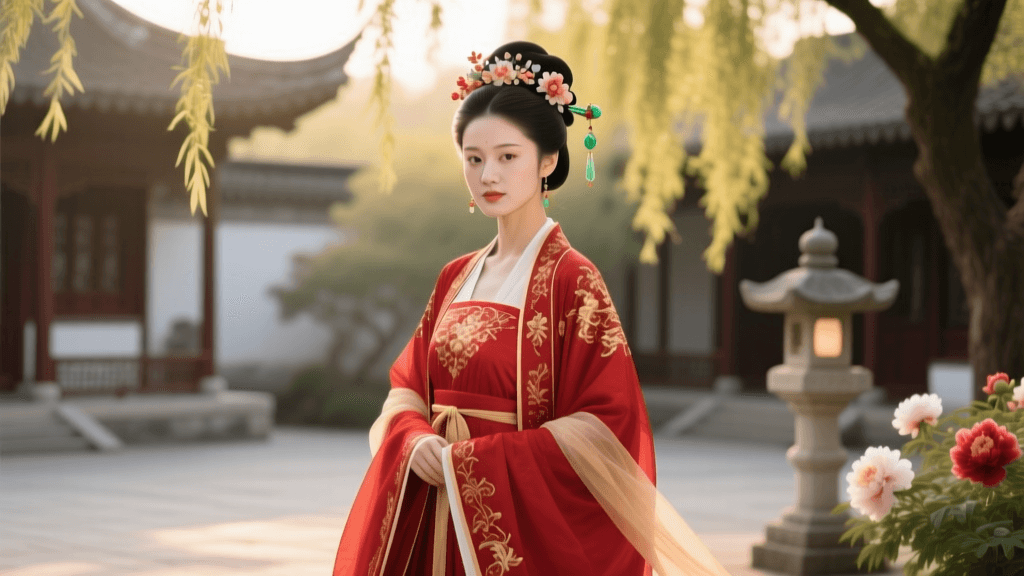
The landscape of global fashion media has undergone a radical transformation regarding the representation of Asian traditional garments. As we navigate the editorial cycles of 2026, top-tier publications such as Vogue, Harper’s Bazaar, and Elle have entirely abandoned the superficial, costume-like depictions of Asian dress that plagued the industry in the previous decade. Today, the integration of Hanfu and the Cheongsam (Qipao) into high fashion editorials is defined by rigorous historical research, authentic collaborations with Asian heritage brands, and a profound respect for garment construction. This shift is not merely a trend; it is a structural correction in how Western and global fashion media engage with Asian cultural heritage.
For stylists, creative directors, and fashion historians, understanding the nuances of this 2026 editorial shift is paramount. The modern fashion consumer is highly educated on cultural appropriation, and global fashion media has responded by implementing cultural advisory boards for any editorial spread featuring traditional Asian textiles. The result is a breathtaking renaissance of authentic styling that honors the origins of these garments while placing them firmly in the context of contemporary global luxury.
Dismantling the 'Costume' Trope
For decades, global fashion media relied on lazy signifiers when attempting to evoke 'Asian aesthetics.' This often involved mixing unrelated cultural garments, utilizing cheap synthetic brocades, and applying heavy, stereotypical makeup. In 2026, these practices are universally recognized as professional malpractice within the editorial community. According to extensive coverage by the South China Morning Post, the grassroots Hanfu movement has successfully educated a global audience on the strict dynastic rules, structural integrity, and cultural significance of traditional Han Chinese clothing. This educated consumer base has forced fashion media to elevate their standards.
Today, an editorial spread featuring a Ming Dynasty Mamian (horse-face) skirt will accurately reflect the traditional pleating techniques and the symbolic motifs woven into the fabric. Fashion editors now work directly with heritage textile artisans and academic consultants to ensure that the jiaoling youren (cross-collar, right lapel) is styled correctly, avoiding the historical faux pas of reversing the lapel, which traditionally signifies mourning. This meticulous attention to detail has turned traditional Asian garments into some of the most respected and highly sought-after pieces in global high fashion editorials.
2026 Editorial Styling Matrix: Hanfu vs. Cheongsam
To understand how global fashion media is currently approaching these garments, it is helpful to compare the styling methodologies applied to Hanfu and the Cheongsam in contemporary luxury editorials. The table below outlines the current best practices and the outdated tropes that have been entirely phased out by 2026.
| Garment | Traditional Element | 2026 Editorial Styling Approach | Outdated Trope (Strictly Avoided) |
|---|---|---|---|
| Hanfu | Mamian Skirt (Ming Dynasty) | Paired with structured, modern minimalist tailoring or sheer organza blouses to highlight the intricate woven metallic motifs. | Wearing it as a generic 'festival skirt' with unrelated tribal accessories or crop tops. |
| Hanfu | Beizi (Song Dynasty Jacket) | Layered over contemporary silk slip dresses, emphasizing the straight, elegant silhouette and side slits. | Altering the collar to mimic a Western cardigan or adding artificial frog buttons. |
| Cheongsam | Flat Pattern Cutting | Highlighting the 2D geometric construction and side slits, often photographed in motion to show the drape of Xiangyunsha silk. | Over-tailoring into a hyper-tight, restrictive 'dragon lady' silhouette with exaggerated shoulder pads. |
| Cheongsam | Mandarin Collar & Pankou | Showcasing hand-knotted Pankou (frog closures) as functional, artisanal jewelry elements integrated into the neckline. | Using cheap, glued-on plastic frog closures as mere decorative afterthoughts. |
The Mamian Skirt and Xiangyunsha Silk Takeover
Among the most prominent trends in 2026 global fashion media is the elevation of Xiangyunsha (Gambiered Canton Gauze). This heritage silk, dyed using the juice of the wild sweet potato and coated with the iron-rich mud of the Pearl River Delta, has become the darling of luxury fashion editors. Its organic, sustainable production process and distinctive crackling texture make it a favorite for high-end editorial photography. Global fashion houses are no longer attempting to imitate this fabric; instead, they are collaborating directly with certified heritage workshops in Guangdong to source authentic Xiangyunsha for their editorial features and capsule collections.
The Mamian skirt has also seen a massive resurgence in editorial styling. Rather than treating it as a novelty item, stylists are utilizing its architectural pleats to create striking visual contrast. A common 2026 editorial trope involves pairing a heavy, brocade Mamian skirt with a sharply tailored, oversized wool blazer, creating a dialogue between historical Chinese craftsmanship and contemporary European tailoring. This juxtaposition respects the integrity of the traditional garment while firmly placing it in a modern, global context.
The Modern Cheongsam Silhouette
The Cheongsam, or Qipao, has a complex history of evolution, which is now being accurately reflected in fashion media. As documented by The Metropolitan Museum of Art's Heilbrunn Timeline of Art History, the garment originated in the 1920s as a symbol of modernity and female emancipation in Shanghai, blending traditional Manchu elements with Western tailoring. In 2026, fashion editors are moving away from the hyper-sexualized, mid-century cinematic interpretations of the Qipao.
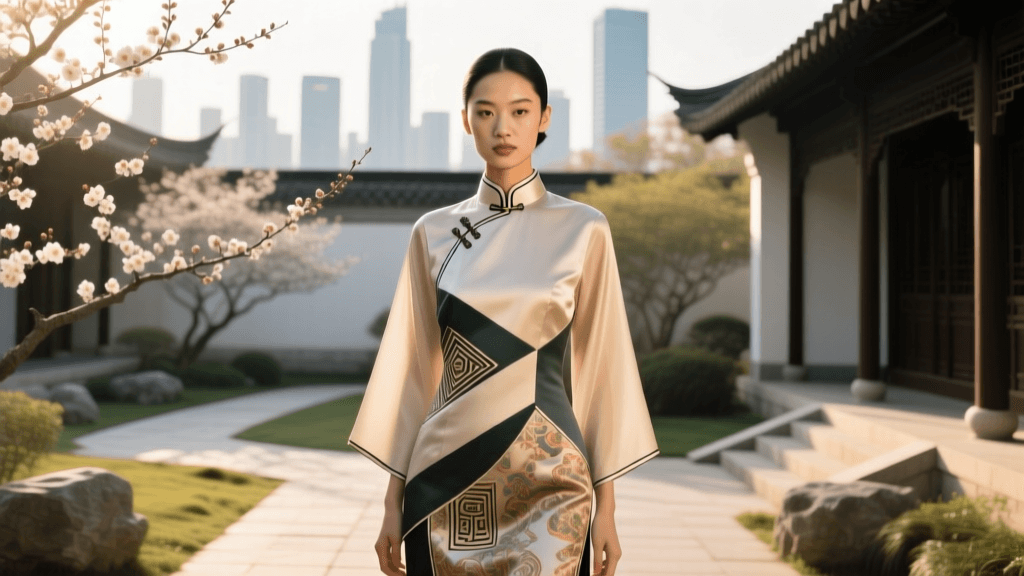
Instead, the 2026 editorial focus is on the 'Republican-era' silhouette—looser, more forgiving, and characterized by elegant, sweeping lines. Fashion spreads are highlighting the sophisticated artistry of the Pankou (knotted buttons), often commissioning master artisans to create intricate, floral-themed knots that serve as the focal point of the garment. Furthermore, the use of traditional Kesi (silk tapestry) weaving techniques in modern Cheongsam editorials has brought a level of museum-quality craftsmanship to the pages of top fashion magazines.
Actionable Sourcing for Stylists and Creatives in 2026
For fashion stylists, costume designers, and creative directors looking to source authentic Hanfu and Cheongsam for editorial shoots, the 2026 market offers unprecedented access to high-quality, historically accurate garments. However, navigating this market requires an understanding of the distinction between mass-produced 'costume' brands and authentic heritage labels.
- Authentic Hanfu Sourcing: Brands like Shisanyu and Ming Hua Tang remain the gold standard for historically accurate Hanfu. These brands invest heavily in textile research, recreating dynastic patterns and utilizing traditional weaving techniques. For editorial purposes, stylists should specifically request their 'museum replica' lines, which offer the highest fidelity in fabric weight and drape.
- Contemporary Cheongsam Designers: For a modern take on the Qipao that respects traditional construction, look to designers like Shiatzy Chen or independent Shanghai-based ateliers such as Qiu Hao. These designers understand the flat-cutting techniques essential to the garment's heritage while offering contemporary silhouettes suitable for high fashion.
- Textile Provenance: When pulling garments for a 2026 editorial, always verify the textile provenance. Authentic Song Brocade or Yunjin (cloud brocade) should come with certification of its weaving origin. Global fashion media audiences are quick to identify and critique the use of cheap, digitally printed polyester masquerading as traditional brocade.
- Collaboration over Appropriation: The most successful editorial spreads in 2026 are those that credit the specific artisans, dynasties, and cultural origins of the garments. Include detailed captions that educate the reader on the significance of the motifs, such as the use of the 'Fu' (bat) motif for good fortune or the specific rank badges used in historical contexts.
The Digital Catalyst: How Social Media Forced Print to Adapt
It is impossible to discuss the 2026 state of Asian traditional garments in global fashion media without acknowledging the immense power of digital platforms. The #HanfuTok and #QipaoStyle communities on TikTok and Instagram have amassed billions of views, creating a decentralized network of amateur historians, weavers, and stylists who hold major publications accountable. When a prominent fashion magazine attempts to cut corners or misrepresent a traditional garment, the digital backlash is swift and highly educated.
This digital pressure has fundamentally altered the editorial process. Magazines now routinely employ cultural consultants from these digital communities to review mood boards and styling concepts before a single garment is pulled. This symbiotic relationship between digital grassroots movements and elite print media has resulted in a golden age of representation, where the beauty, complexity, and historical weight of Asian traditional garments are finally being given the global platform they deserve.
Conclusion
The year 2026 marks a definitive turning point in how global fashion media engages with Asian traditional garments. The transition from superficial exoticism to deep, structural appreciation has enriched the fashion landscape, offering stylists and consumers a more authentic, respectful, and visually stunning array of editorial content. By honoring the intricate construction, historical context, and artisanal heritage of Hanfu and the Cheongsam, the global fashion industry is not just avoiding past mistakes; it is actively participating in the preservation and celebration of Asia's sartorial legacy.