Top Japanese Fashion Blogs Preserving Traditional Garments 2026

The Digital Renaissance of Japanese Heritage Fashion
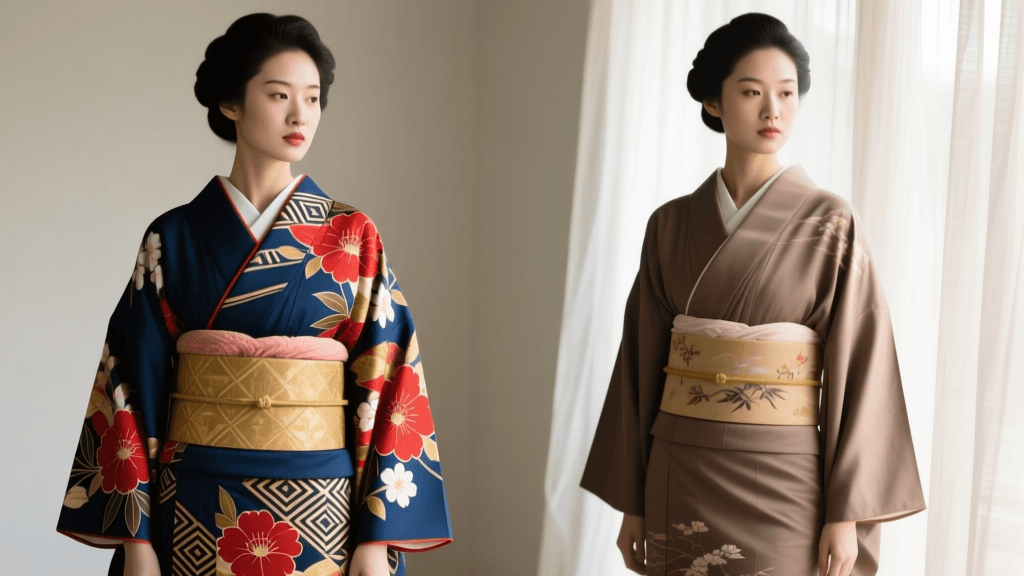
In 2026, the global appreciation for traditional Asian garments has reached an unprecedented peak, driven largely by a new wave of Japanese fashion journalism. No longer confined to the glossy pages of print magazines, the preservation and modernization of the kimono, haori, hakama, and yukata are now championed by niche blogs, digital street-style photographers, and online cultural magazines. These digital platforms are doing more than just showcasing outfits; they are actively preserving artisanal techniques, promoting the secondhand textile market, and educating a new generation on the intricate rules and rebellious styling of traditional Japanese dress.
For enthusiasts of Asian traditions, following the right Japanese fashion blogs is essential. These platforms bridge the gap between centuries-old weaving techniques—such as Nishijin-ori and Yuki-tsumugi—and contemporary streetwear. As sustainability becomes the defining mandate of the 2026 fashion industry, Japanese online magazines are leading the charge by highlighting the longevity, upcycling potential, and timeless elegance of heritage garments.
Leading Japanese Fashion Blogs and Online Magazines
To truly understand how traditional garments are being integrated into modern wardrobes this year, one must look at the digital publications setting the trends. Here are the most influential platforms shaping the narrative in 2026.
1. Tokyo Fashion: Streetwear Meets Heritage
For over a decade, Tokyo Fashion has been the definitive archive of Japanese street style. In 2026, their coverage has increasingly focused on "Neo-Traditional" styling. Their street photographers in Harajuku and Daikanyama regularly capture youth subcultures pairing vintage silk haori with oversized denim, or styling pleated hakama trousers with chunky sneakers and graphic tees. The blog provides an invaluable visual database of how traditional silhouettes are being deconstructed and adapted for modern, gender-fluid fashion.
2. Spoon & Tamago: The Artisanal Spotlight
While Spoon & Tamago covers broader Japanese design, art, and architecture, their fashion and textile journalism is unparalleled when it comes to traditional craftsmanship. Their 2026 editorial series on natural dyeing techniques, such as aizome (indigo dyeing) and shibori, offers deep dives into the rural artisans keeping these methods alive. For readers interested in the provenance of their garments, Spoon & Tamago provides the historical and cultural context necessary to appreciate the labor behind a single hand-dyed yukata or obi belt.
3. Kimono Modern and Digital Style Portals
Dedicated web portals and digital offshoots of traditional kimono schools have revolutionized how younger demographics approach formal wear. These niche blogs focus heavily on the mechanics of kitsuke (the art of dressing in a kimono). They offer high-definition video tutorials, measurement guides for buying secondhand pieces online, and seasonal styling guides that dictate which floral motifs are appropriate for early spring versus late autumn.
2026 Platform Comparison: Where to Find Your Niche
Depending on your specific interest within Asian traditions—whether it is streetwear integration, artisanal history, or practical styling guides—different platforms will serve you best. Below is a comparison of the top digital resources available this year.
| Platform | Primary Focus | Traditional Garment Coverage | Best For |
|---|---|---|---|
| Tokyo Fashion | Street Style & Subcultures | Haori, Hakama, and Yukata integrated into urban streetwear. | Visual inspiration and modern styling ideas. |
| Spoon & Tamago | Design, Craft & Culture | Artisanal weaving, natural dyeing, and textile preservation. | Understanding the history and craftsmanship of fabrics. |
| The Japan Times (Lifestyle) | Cultural News & Society | Industry trends, secondhand market data, and sustainability. | Market research and cultural journalism. |
| Kitsuke Instructional Blogs | Practical Tutorials | Step-by-step kimono dressing, obi tying, and seasonal rules. | Beginners learning to wear traditional garments correctly. |
Driving the Secondhand Kimono Boom
One of the most significant impacts of Japanese fashion journalism in 2026 is its role in normalizing and expanding the secondhand garment market. With the environmental impact of fast fashion under intense scrutiny, digital magazines are actively promoting the circular economy of traditional textiles. Vintage kimonos, which can often be sourced for a fraction of their original cost on platforms like Mercari and Rakuma, are being hailed as the ultimate sustainable fashion statement.
However, buying vintage silk requires expertise. Fashion bloggers have stepped in to fill the knowledge gap, publishing comprehensive guides on how to identify authentic silk versus synthetic blends, how to spot sun damage or mold on vintage obi, and how to properly store delicate garments using tatou-shi (traditional acid-free wrapping paper). According to cultural preservation data highlighted by institutions like the Victoria and Albert Museum's Asian collections, the archival quality of Japanese silk garments is exceptional, provided they are cared for correctly. Modern blogs are translating this museum-level conservation knowledge into actionable advice for everyday collectors.
Natural Dyeing and the Wellness Connection
A fascinating trend championed by online magazines in 2026 is the intersection of traditional garment creation and personal wellness. The slow, meditative processes of natural dyeing and hand-weaving are being documented not just as fashion production, but as mindfulness practices. Blogs are featuring interviews with elderly artisans in Kyoto and Kanazawa who describe the rhythmic, grounding nature of operating a traditional loom or the patience required to ferment indigo vats.
This narrative shift has led to a surge in "textile tourism," where readers use these blogs to plan itineraries centered around visiting open-air studios, participating in indigo-dyeing workshops, and purchasing garments directly from the makers. It transforms the act of acquiring a traditional garment from a simple transaction into a deeply meaningful cultural exchange.
Actionable Advice: How to Use These Blogs for Your Wardrobe
If you are looking to incorporate traditional Japanese garments into your wardrobe this year, leverage these digital resources strategically:
- Master the Measurements: Unlike Western clothing, kimono sizing is relatively forgiving but requires specific length checks. Use blog guides to learn how to measure your yuki (arm span) and ensure the hem of a vintage kimono falls correctly at your ankles before purchasing online.
- Follow Seasonal Rules: Traditional Japanese fashion is deeply tied to the calendar. Use online magazines to learn when to transition from awase (lined kimono) to hitoe (unlined) and finally to ro or sha (sheer summer silk). Wearing the wrong weight of silk in 2026 is considered a major faux pas in traditional circles.
- Experiment with Upcycling: Many street-style blogs showcase how damaged or stained kimonos can be respectfully deconstructed. Look for tutorials on turning the pristine back panels of a ruined kimono into a modern haori jacket, or repurposing heavily embroidered obi belts into statement handbags or table runners.
- Engage with the Community: The comment sections and affiliated social media groups of these blogs are goldmines for troubleshooting. If you are struggling with a complex taiko musubi (drum bow) obi knot, the community can offer real-time feedback and alternative styling solutions.
"The true power of Japanese fashion journalism in 2026 lies in its refusal to treat traditional garments as museum relics. By placing the kimono and haori squarely in the context of modern, sustainable streetwear, these blogs ensure that the traditions are lived, worn, and evolved." — Digital Textile Archive Review, 2026
Conclusion
The landscape of Japanese fashion journalism has evolved into a vital lifeline for traditional Asian garments. By blending rigorous cultural education with cutting-edge street-style documentation, the blogs and online magazines of 2026 are ensuring that the kimono, yukata, and hakama remain relevant, accessible, and deeply respected. Whether you are a seasoned collector of vintage silk or a newcomer looking to style your first haori, these digital platforms offer the guidance, inspiration, and community needed to wear history with confidence.