Top Japanese Fashion Blogs for Boro & Kimono Revival 2026
The Digital Renaissance of Traditional Japanese Textiles
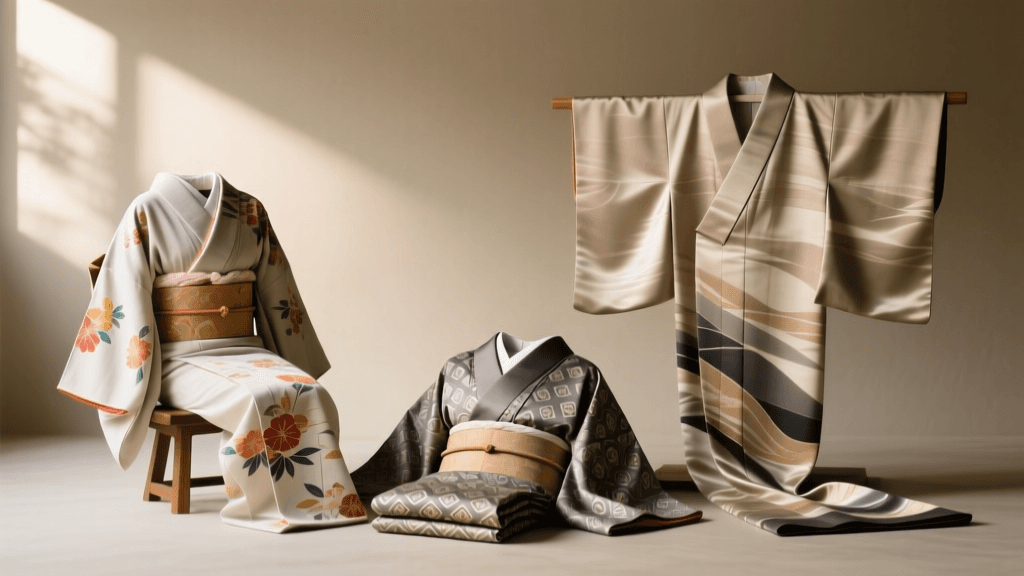
In 2026, the landscape of Japanese fashion journalism has undergone a profound transformation. While mainstream media often focuses on the rapid cycles of contemporary streetwear and global luxury brands, a dedicated tier of online magazines and independent fashion blogs has emerged as the vanguard of traditional textile preservation. These digital publications are not merely documenting history; they are actively driving the global revival of heritage garments, from the intricate silk weaves of vintage kimono to the deeply philosophical, mended cottons of boro and sashiko. For enthusiasts, collectors, and sustainable fashion advocates, these platforms serve as essential guides to sourcing, styling, and understanding the profound cultural weight of Asian traditions in the modern era.
The shift toward digital journalism has allowed niche writers to bypass the geographical limitations of print media. Today, a reader in London or New York can access real-time dispatches from indigo dyers in Tokushima or vintage textile markets in Kyoto. According to the extensive archival research and cultural exhibitions documented by the Victoria and Albert Museum, the structural geometry and zero-waste pattern cutting of the kimono represent a pinnacle of sustainable garment design. Modern fashion bloggers are now translating this historical brilliance into actionable, everyday styling advice for a 2026 audience that prioritizes both ecological mindfulness and sartorial elegance.
Leading Online Magazines and Blogs in 2026
Wawazine and the Global Kimono Dialogue
At the forefront of this digital movement is Wawazine, an independent online magazine that has become the definitive English and Japanese-language resource for kimono culture. In 2026, Wawazine has expanded its editorial calendar to include deep-dive photo essays on regional weaving techniques, such as Oshima Tsumugi and Yuki Tsumugi. The publication excels at bridging the gap between traditional artisans and international consumers. Their recent 2026 series on 'Modern Obi Styling' provides step-by-step visual guides on how to tie contemporary, streamlined knots that suit modern Western silhouettes while respecting traditional etiquette. For collectors, Wawazine's vendor directories and condition-grading guides are invaluable when navigating the complex secondhand kimono market.
Independent Substacks and Boro Textile Journals
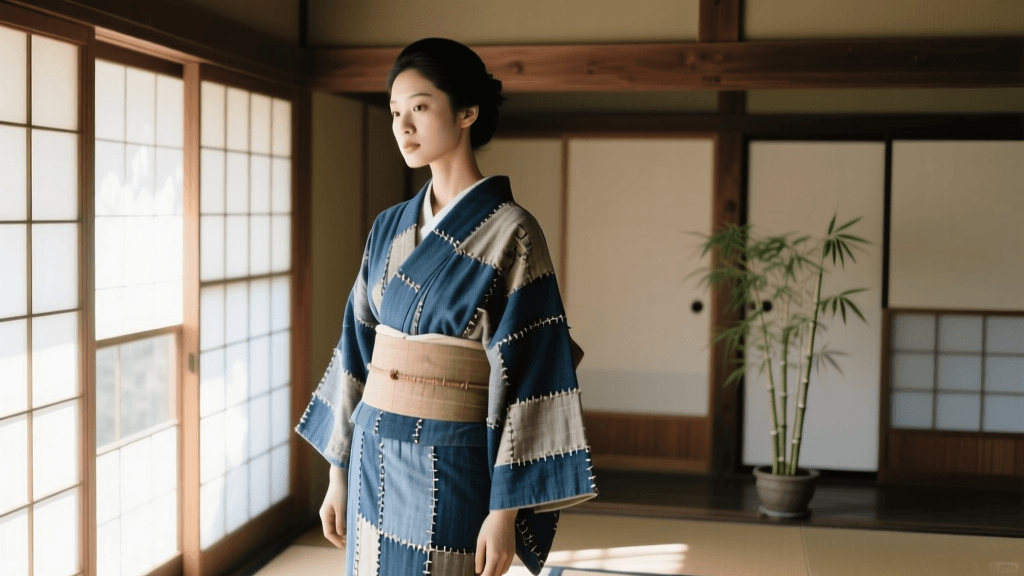
While established magazines cover the broader spectrum of Japanese fashion, independent journalists and textile historians have taken to platforms like Substack to document the highly specialized world of boro (mended textiles) and sakiori (rag weaving). In 2026, the fascination with wabi-sabi—the beauty of imperfection—has driven the market for authentic, Edo and Meiji-era boro garments to unprecedented heights. Blogs dedicated to 'Japanese Rural Workwear' provide exhaustive historical context on how peasant farmers in the Tohoku region patched and repurposed hemp and cotton for generations. These independent writers often collaborate directly with rural antique dealers, offering their readership first access to rare noragi (field jackets) and tabi (split-toe socks) before they hit international auction houses.
Japan Forward and Artisan Spotlights
For readers interested in the intersection of government-backed cultural preservation and fashion journalism, the cultural coverage provided by Japan Forward remains a vital resource. Their 2026 features on the aging demographic of master dyers and weavers highlight the urgent need for succession planning in traditional crafts. Fashion journalists contributing to these platforms often focus on the 'neo-traditional' movement, profiling young designers in Tokyo and Osaka who are integrating vintage shibori (tie-dye) and katazome (stencil dyeing) techniques into contemporary ready-to-wear collections. This coverage is essential for understanding how historical techniques are being adapted for modern climate needs and daily wearability.
Actionable Sourcing: Measurements, Pricing, and Styling
Reading about traditional garments is only the first step; acquiring them requires a precise understanding of Japanese sizing and textile evaluation. Unlike Western clothing, which is cut to fit the body's curves, a kimono is constructed from a single bolt of fabric known as a tanmono. The standard width of a tanmono is approximately 36 to 38 centimeters (about 14 inches). Fashion blogs in 2026 heavily emphasize that when sourcing vintage kimono online, the wearer's hip measurement must not exceed this width, as the garment wraps and overlaps without the use of darts or stretch fabrics.
Furthermore, understanding the 'yuki' measurement—the distance from the center back of the neck, across the shoulder, and down to the wrist—is critical. Most vintage women's kimono from the mid-20th century feature a yuki of around 60 to 64 centimeters, which often results in a cropped sleeve length on taller, modern Western wearers. Contemporary styling blogs suggest embracing this silhouette, pairing cropped-sleeve kimono jackets (haori) with high-waisted wide-leg trousers or pleated midi skirts to create a balanced, avant-garde 2026 look.
Pricing in the 2026 vintage market reflects the growing scarcity of well-preserved, naturally dyed textiles. Based on aggregated data from leading online textile journals, here is what collectors should expect to pay for authentic pieces in the current market:
- Authentic Meiji-era Boro Noragi (Field Jacket): $450 to $1,200 USD, depending on the density of sashiko stitching and the presence of original indigo (aizome) saturation.
- Vintage Silk Haori (1950s-1970s): $80 to $250 USD. These are highly recommended for beginners due to their forgiving fit and vibrant, hand-painted linings.
- Hand-woven Kasuri (Ikat) Cotton Kimono: $300 to $600 USD. Prized for their durability and suitability for casual, everyday styling.
Comparison Chart: 2026 Japanese Textile Blog Focus Areas
| Platform / Publication | Primary Editorial Focus | 2026 Sourcing Trend Highlight | Target Audience |
|---|---|---|---|
| Wawazine | Kimono Culture, Styling, and Artisan Interviews | Vintage Oshima Tsumugi silks for modern formalwear | Global Enthusiasts and Stylists |
| Independent Boro Substacks | Rural Workwear, Mending, and Wabi-Sabi Philosophy | Indigo-dyed sakiori (rag-woven) cushions and vests | Textile Collectors and Historians |
| Japan Forward (Culture) | Craft Preservation, Neo-Traditional Designers | Contemporary ready-to-wear featuring Tokushima indigo | Sustainable Fashion Advocates |
| Kimono Salone Digital | High-end Silk Weaving and Formal Ceremonial Wear | Upcycled vintage obi belts as interior decor and bags | Luxury Consumers and Interior Designers |
The Impact of Fashion Journalism on Artisan Economies
The influence of these online magazines extends far beyond aesthetic appreciation; it has a tangible impact on rural artisan economies. In regions like Tokushima, the birthplace of Japanese indigo, the meticulous documentation of the sukumo (fermented indigo leaves) process by fashion journalists has spurred a massive influx of eco-tourism and international wholesale orders in 2026. When a prominent blog highlights the grueling, months-long fermentation process required to achieve the deep, living blue of authentic aizome, it educates the consumer on the true cost of slow fashion. This education justifies the premium pricing of natural dyes over synthetic alternatives, directly supporting the livelihoods of aging master dyers and encouraging a new generation to enter the profession.
Similarly, the digital spotlight on sashiko stitching has transformed it from a hidden, utilitarian mending technique into a globally recognized art form. Online tutorials and journalist-led workshops have created a booming market for authentic sashiko threads and thimbles, benefiting specialized hardware makers in rural Japan. By framing these traditional techniques not as relics of the past, but as vital, living solutions to the modern crisis of fast fashion waste, Japanese fashion journalism is ensuring that these Asian traditions will continue to evolve and thrive throughout 2026 and beyond.
Building Your 2026 Heritage Capsule Wardrobe
To integrate these traditions into your own wardrobe this year, fashion editors recommend starting with versatile outer layers. A vintage, indigo-dyed cotton haori or a lightly patched boro cardigan can serve as the anchor of a capsule wardrobe. Pair these heritage pieces with modern, minimalist basics—such as organic cotton turtlenecks, tailored linen trousers, or raw denim—to allow the intricate textiles to take center stage. By following the curated sourcing guides and styling essays published by these dedicated digital magazines, you are not just acquiring clothing; you are participating in a global movement to preserve, respect, and wear the profound history of Japanese craftsmanship.