Hanfu Travel Wardrobe 2026: Packing Essentials & Destination Guide
The Rise of the Global Hanfu Traveler in 2026
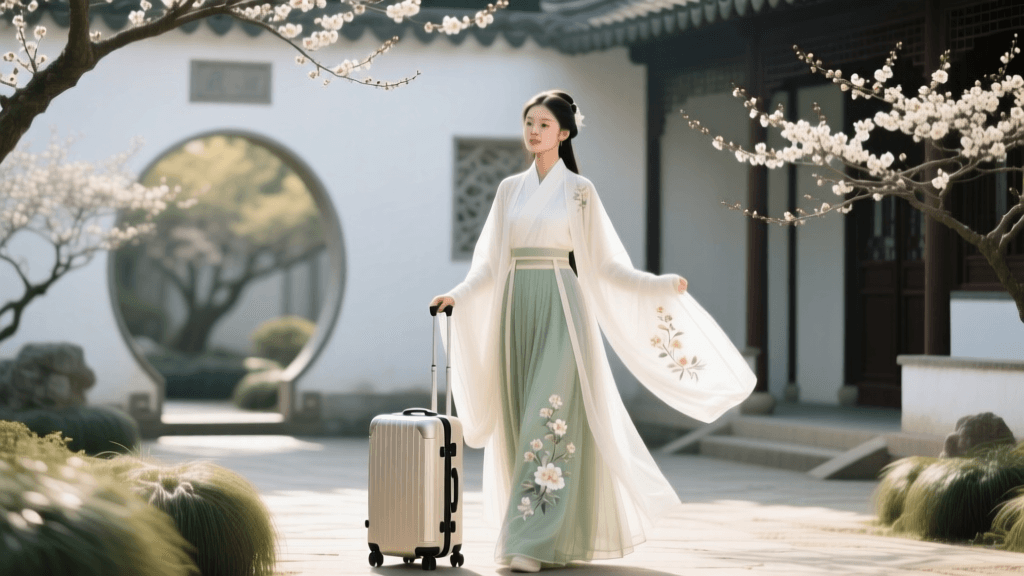
The year 2026 has ushered in an unprecedented era of cultural tourism, with traditional Chinese garments moving far beyond local photography studios and into the global travel mainstream. From the cobblestone streets of Edinburgh to the sun-drenched temples of Kyoto, travelers are increasingly incorporating Hanfu into their destination wardrobes. However, traveling with centuries-old silhouettes presents unique logistical challenges. Unlike modern fast fashion, Hanfu requires careful consideration of fabric weights, intricate layering systems, and specialized packing techniques to prevent irreversible creasing in delicate silks and heavy brocades.
Whether you are planning a heritage tour through Xi'an or a cross-European rail adventure, curating a travel-friendly Hanfu wardrobe demands a strategic approach. This comprehensive guide explores destination-specific styling, wrinkle-free packing methodologies, and the essential accessories required to navigate modern transit systems while honoring historical elegance.
Destination-Specific Hanfu Selection: Climate and Context
Selecting the appropriate historical dynasty and fabric for your destination is the cornerstone of a successful Hanfu travel wardrobe. The evolution of Chinese dress reflects profound adaptations to regional climates and social customs. As detailed by the Metropolitan Museum of Art's Heilbrunn Timeline of Art History, the structural differences between dynastic clothing are not merely aesthetic; they are highly functional responses to environmental demands.
For tropical or high-humidity destinations such as Southeast Asia or Southern China during the summer months, the Song Dynasty (960–1279 CE) wardrobe is your optimal choice. Characterized by slender silhouettes, lightweight linen blends, and breathable silk organza, Song-style garments like the Beizi (a lightweight, open-front jacket) and narrow-sleeved tops allow for maximum airflow. Conversely, if your 2026 itinerary includes the crisp autumn winds of Northern Europe or the freezing winters of Harbin, the Ming Dynasty (1368–1644 CE) wardrobe is essential. Ming garments feature heavy brocades, velvet-lined Mamianqun (horse-face skirts), and the Pifeng (a heavy, fur-collared cloak), providing both dramatic photographic volume and genuine thermal insulation.
2026 Destination Climate & Hanfu Style Matrix
| Destination Climate | Recommended Dynasty | Key Garments | Best Fabric Choices |
|---|---|---|---|
| Hot & Humid (e.g., Singapore, Bali) | Song / Tang | Beizi, Qixiong Ruqun | Linen-cotton blends, lightweight silk chiffon |
| Mild & Breezy (e.g., Paris, Tokyo) | Ming (Spring/Autumn) | Aoqun, Duijin Ao | Mid-weight crepe, cotton-linen, raw silk |
| Cold & Windy (e.g., London, Harbin) | Ming (Winter) | Pifeng, thick Mamianqun | Heavy brocade, velvet, wool-blends, faux-fur trim |
Wrinkle-Free Packing Strategies for Traditional Silk
The greatest enemy of the traveling Hanfu enthusiast is the suitcase crease. Traditional sericulture produces fibers that, while incredibly strong, are highly susceptible to permanent folding damage when compressed. The UNESCO Intangible Cultural Heritage registry highlights the meticulous care required in handling traditional Chinese silk, a principle that extends directly to modern travel packing.
The Core Roll and Tissue Buffer Technique
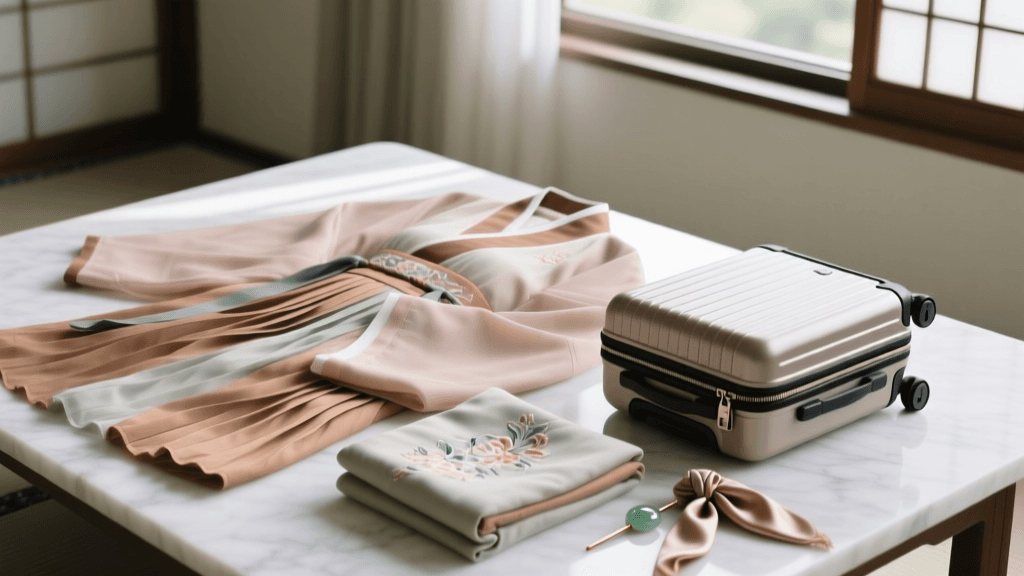
Never fold your Hanfu skirts or tops along sharp creases for transit. Instead, utilize the 'Roll and Buffer' method. Lay the garment flat on a clean surface and place acid-free, unbuffered tissue paper over the fabric. Begin rolling the garment loosely from the bottom hem upward, keeping the tissue paper trapped inside the roll. This prevents the silk fibers from crushing against one another. For heavily pleated Mamianqun, align the pleats flat, secure them with loose silk ribbons (never elastic bands, which will warp the fabric), and roll the skirt horizontally rather than vertically to preserve the structural integrity of the waistband.
Investing in 2026 Travel Steamer Technology
Even with perfect packing, some steaming upon arrival is inevitable. The latest 2026 dual-voltage handheld travel steamers have revolutionized garment care on the road. Look for models featuring ceramic-coated steam plates and continuous steam locks, which allow you to hang your Hanfu in a hotel bathroom and steam large surface areas without holding down a trigger. Always use distilled water in your steamer to prevent mineral buildup that could spit hard water stains onto delicate, light-colored silks.
Building the Ultimate Hanfu Travel Capsule Wardrobe
Maximizing luggage space requires a capsule approach, where individual pieces can be mixed, matched, and even integrated with modern clothing for transit days. A well-curated 2026 Hanfu travel capsule should include the following foundational elements:
- Two Sets of Zhongyi (Base Layers): Modern, moisture-wicking bamboo or cotton base layers are crucial. They protect your expensive outer Hanfu from sweat and body oils, reducing the need for frequent dry cleaning while abroad.
- One Versatile Mamianqun: A mid-weight, solid-colored or subtly woven horse-face skirt. In 2026, styling a Mamianqun with a modern cashmere turtleneck or a tailored blazer is a highly fashionable, culturally respectful way to wear Hanfu elements during long flights or train rides.
- One Statement Outer Layer: A richly embroidered Pifeng or Beizi that can instantly elevate a simple base layer into a full photoshoot-ready ensemble.
- Pre-tied Pibo (Silk Scarves): Tang and Song dynasty styles often utilize long, flowing silk ribbons. Pre-tying these with hidden stitches or using discreet magnetic clasps before your trip saves immense time and frustration when dressing in windy outdoor locations.
Navigating Accessories and Airport Security
Hair accessories (Zanzi and Fasheng) and traditional footwear present unique hurdles at airport security checkpoints. Metal hairpins, especially those crafted from brass or silver with elaborate filigree, will inevitably trigger TSA and international security metal detectors. To streamline your 2026 travel experience, pack all metal hairpins in a dedicated, hard-shell jewelry case within your carry-on luggage, rather than wearing them through the terminal. Opt for resin, wood, or acrylic hair accessories for the actual transit days.
Furthermore, traditional Yunxie (cloud shoes) with their upturned toes and delicate embroidery are not designed for the miles of walking required in modern airports or cobblestone historic districts. The current best practice among traveling Hanfu enthusiasts is to wear supportive, modern leather loafers or sleek ankle boots during transit, packing the traditional footwear exclusively for the duration of the photoshoot or cultural event. This preserves the delicate embroidery and prevents the soft soles from wearing through on rough terrain.
Textile Conservation on the Road
When traveling, you are temporarily acting as a textile conservator. The Victoria and Albert Museum's guidelines on Chinese textiles emphasize the destructive nature of prolonged UV exposure and fluctuating humidity. Never leave your Hanfu draped over a chair in direct, harsh sunlight, as modern synthetic dyes and traditional plant dyes alike will fade rapidly. Upon returning to your accommodation, immediately remove base layers to air out, and store your outer garments in breathable cotton garment bags—never plastic, which traps moisture and encourages mildew growth in humid climates.
Conclusion
Traveling with Hanfu in 2026 is a deeply rewarding way to engage with Asian traditions on a global stage. By respecting the historical context of your garments, employing meticulous wrinkle-free packing techniques, and preparing for the realities of modern transit, you ensure that your traditional wardrobe remains as pristine as the destinations you visit. Whether you are capturing the morning mist in a Song-style linen Beizi or braving the winter chill in a Ming brocade cloak, a well-planned destination wardrobe allows the beauty of the garment to shine without the stress of logistical mishaps.