Hanfu Travel Wardrobe 2026: Packing Essentials & Destination Guide
The Rise of Global Hanfu Tourism in 2026
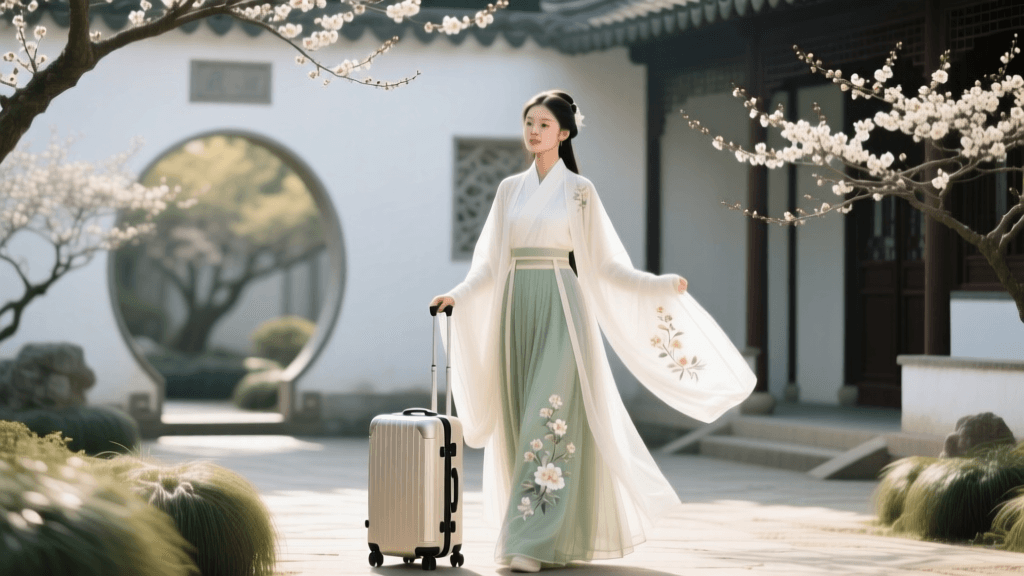
As of 2026, the global appreciation for traditional Chinese clothing has evolved from a niche cultural hobby into a mainstream travel phenomenon. Hanfu tourism is no longer confined to domestic destinations like Xi'an or Luoyang; enthusiasts are now curating destination-specific Hanfu wardrobes for international trips to Kyoto, Paris, and the Swiss Alps. However, traveling with traditional garments presents unique logistical challenges. The intricate layering, delicate textiles, and elaborate accessories require a strategic approach to packing, garment care, and airport security. Whether you are planning a photoshoot in a tropical botanical garden or attending a cultural festival in a chilly metropolitan hub, building a functional 2026 Hanfu travel wardrobe is essential for a seamless journey.
According to the Victoria and Albert Museum's Asian collections, the historical significance of Chinese dress is deeply tied to regional climates and social functions. Today, modern travelers must bridge this historical context with the practical demands of contemporary transit. This comprehensive guide will walk you through the best fabrics, packing techniques, and destination-specific styling tips to ensure your traditional garments remain pristine and comfortable on the road.
Choosing the Right Fabrics for Transit
Historically, pure mulberry silk and raw hemp were the cornerstones of traditional Chinese wardrobes. UNESCO officially recognizes the immense cultural value of sericulture and silk craftsmanship of China, but seasoned travelers know that 100% pure silk is a nightmare to maintain in a hotel room without professional steaming equipment. It wrinkles instantly, stains easily, and requires meticulous care.
In 2026, the Hanfu market has heavily embraced 'travel-friendly' textile innovations. When building your destination wardrobe, look for the following modern fabric blends:
- Tencel-Silk Blends (60% Tencel, 30% Silk, 10% Spandex): This is the gold standard for 2026 travel Hanfu. Tencel provides a beautiful, fluid drape that mimics traditional silk, while the spandex adds stretch for mobility during long flights or train rides. Most importantly, it is highly wrinkle-resistant.
- Wrinkle-Resistant Polyester-Chiffon: Ideal for the outer layers of Tang Dynasty-style garments. Modern high-grade chiffon can be rolled tightly into a packing cube and will spring back to life without needing a steamer.
- Cotton-Linen Weaves: Perfect for Song Dynasty-style Beizi (open-front jackets). These natural fibers breathe well in humid climates and embrace a slightly rumpled, organic aesthetic that forgives travel creases.
The Ultimate 2026 Hanfu Packing Checklist
Packing Hanfu is not as simple as tossing a dress into a suitcase. The multi-layered nature of the garments requires a systematic approach. Below is the essential packing matrix for a standard 7-day cultural trip.
| Category | Essential Items | Packing Method |
|---|---|---|
| Base Layers | Moisture-wicking inner tops, seamless leggings, thermal underskirts (for cold climates) | Roll tightly in compression cubes |
| Main Garments | 2x Ruqun (skirt sets), 1x Aoqun (jacket and skirt), 1x Beizi (lightweight coat) | Bundle-wrapping around a soft core |
| Outerwear | 1x Pifeng (cape), 1x Daxiushan (wide-sleeve robe for photoshoots) | Garment folder or flat at the top of the suitcase |
| Accessories | Cloud shoes, hairpins (buyao), silk ribbons, detachable collars | Hard-shell jewelry case to prevent bending |
| Care Tools | Dual-voltage travel steamer, lint roller, silk-safe stain remover pen | Side pockets of carry-on luggage |
Destination-Specific Wardrobe Strategies
Adapting your Hanfu to the local climate and culture of your destination is crucial for both comfort and aesthetic harmony. Here is how to style your wardrobe for three distinct travel environments in 2026.
Tropical and Humid Climates (e.g., Southeast Asia, Hainan)
Traveling to humid regions requires prioritizing airflow and moisture management. The Song Dynasty aesthetic is your best ally here. Opt for a lightweight, knee-length Beizi worn over a simple camisole and a narrow-pleated skirt. Avoid heavy, floor-sweeping Mamianqun (horse-face skirts), as the hems will quickly become damp and heavy from street puddles or morning dew. Choose light, reflective colors like celadon, pale lotus pink, or ivory to deflect intense sunlight. Footwear should consist of breathable linen cloud shoes with modern, moisture-wicking bamboo insoles to prevent blisters during long days of exploration.
Alpine and Cold Weather Regions (e.g., Hokkaido, Swiss Alps, Changbaishan)
Cold-weather Hanfu tourism has surged in 2026, driven by the desire for striking winter photography. The Ming Dynasty Aoqun (lined jacket and skirt) is structurally designed for warmth. To modernize it for extreme cold, layer a thin, merino-wool thermal turtleneck beneath your Ao. The high collar of the Ming jacket perfectly conceals modern thermal base layers. For the skirt, choose a heavy wool-blend Mamianqun that blocks wind effectively. Complete the look with a faux-fur lined Pifeng (cape) and a traditional embroidered hand-muff to keep your fingers warm without ruining the historical silhouette with modern gloves.
Urban Metropolitan Exploration (e.g., Tokyo, Paris, New York)
Navigating crowded subways, busy cafes, and modern city streets requires a streamlined approach. The 'Improved Daily Hanfu' (Gaoliang Hanfu) trend of 2026 focuses on shorter hemlines and narrower sleeves. A calf-length pleated skirt paired with a tailored, mandarin-collar blouse allows you to blend traditional elements with modern urban fashion. This fusion approach respects the historical roots of the garment—as noted by The Metropolitan Museum of Art's historical timelines of Chinese silk and dress, which highlight the constant evolution and adaptation of Chinese garments to contemporary life—while ensuring you do not trip over your hem on an escalator.
Wrinkle Prevention and Airport Security
The greatest threat to a Hanfu travel wardrobe is the suitcase wrinkle. To combat this, adopt the 'bundle wrapping' technique. Lay your garments flat, place a soft core (like a pouch of socks or a small pillow) in the center, and wrap the sleeves and skirts around the core. This prevents hard creases from forming.
Despite your best efforts, wrinkles will happen. A 2026 dual-voltage handheld steamer is non-negotiable for any Hanfu traveler. Ensure your steamer has a ceramic soleplate to safely glide over delicate synthetic blends without melting the fibers. Never use a traditional iron on Hanfu fabrics, as the direct heat can permanently scorch the embroidered motifs.
Airport security also requires forethought. Traditional Hanfu hairstyles often rely on elaborate metal hairpins, wooden buyao, and wire-framed floral accessories. In 2026, global aviation security regulations remain strict regarding sharp or dense metal objects in carry-ons. Always pack metal hairpins in your checked luggage to avoid having them confiscated at the security checkpoint. For your carry-on, opt for traditional wooden or jade hair sticks, which easily pass through X-ray scanners without triggering alarms. Additionally, the metal buckles or heavy clasps on some modern reproduction belts may set off metal detectors; be prepared to remove them and place them in a bin during security screening.
Conclusion
Traveling with a traditional Hanfu wardrobe in 2026 is a deeply rewarding experience that allows you to carry a piece of living history across the globe. By selecting modern, travel-friendly fabrics, packing strategically with the bundle method, and tailoring your silhouette to your specific destination, you can maintain the elegance and dignity of traditional Chinese dress no matter where your travels take you. Embrace the journey, respect the garment, and let your destination wardrobe tell a beautiful, cross-cultural story.