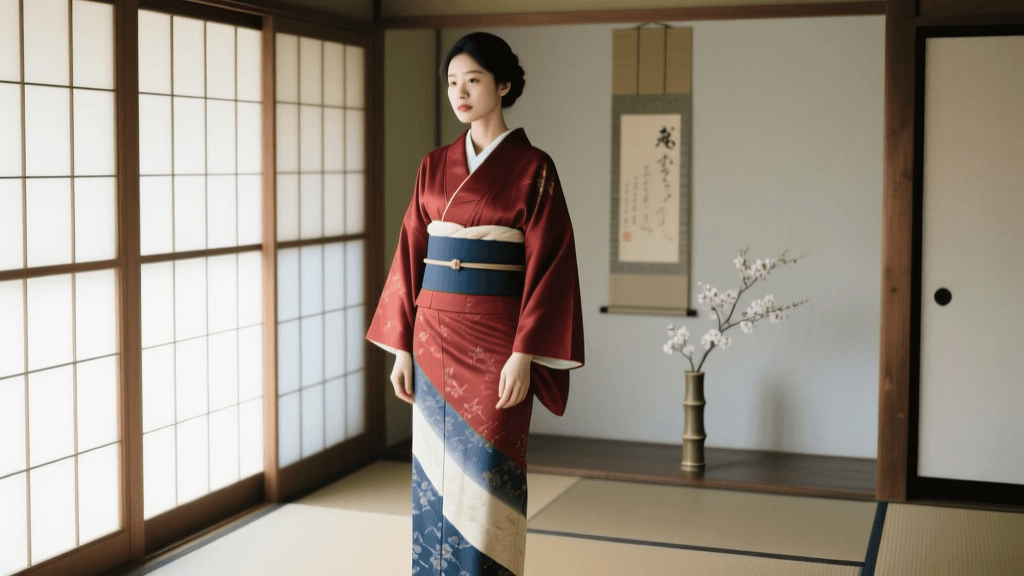
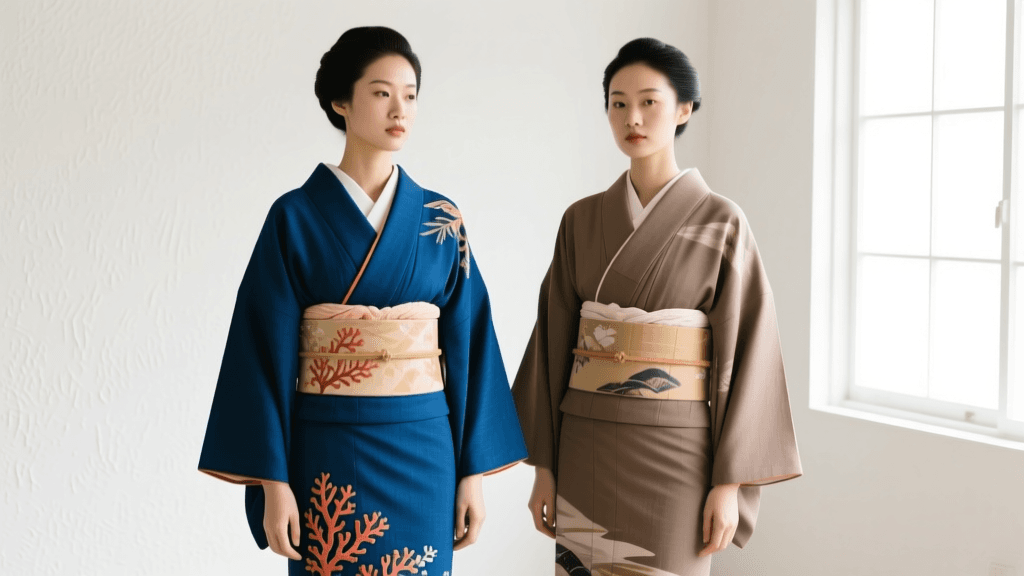
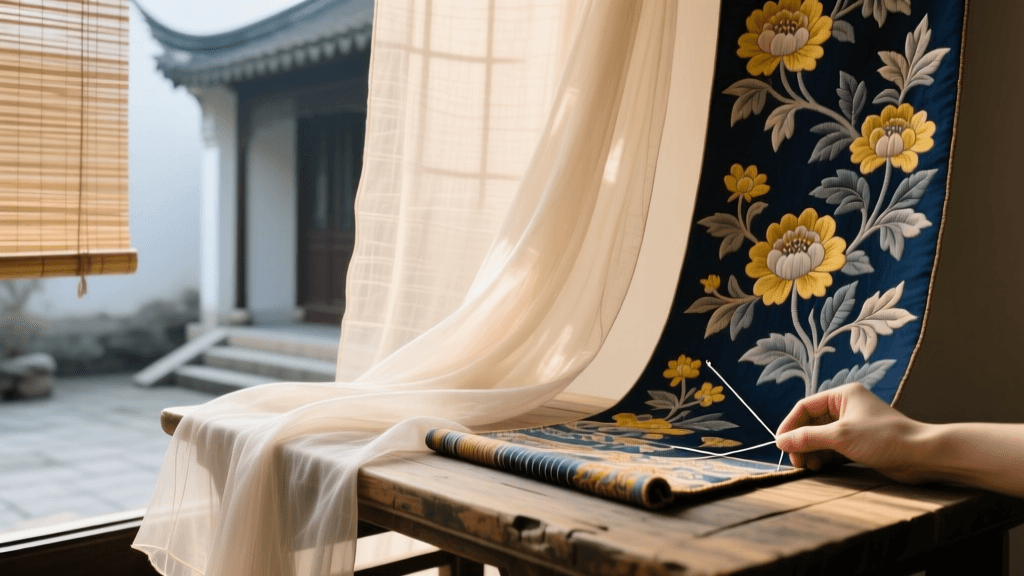
Japanese Dyeing Arts: Shibori, Yuzen, and Kasuri Explained
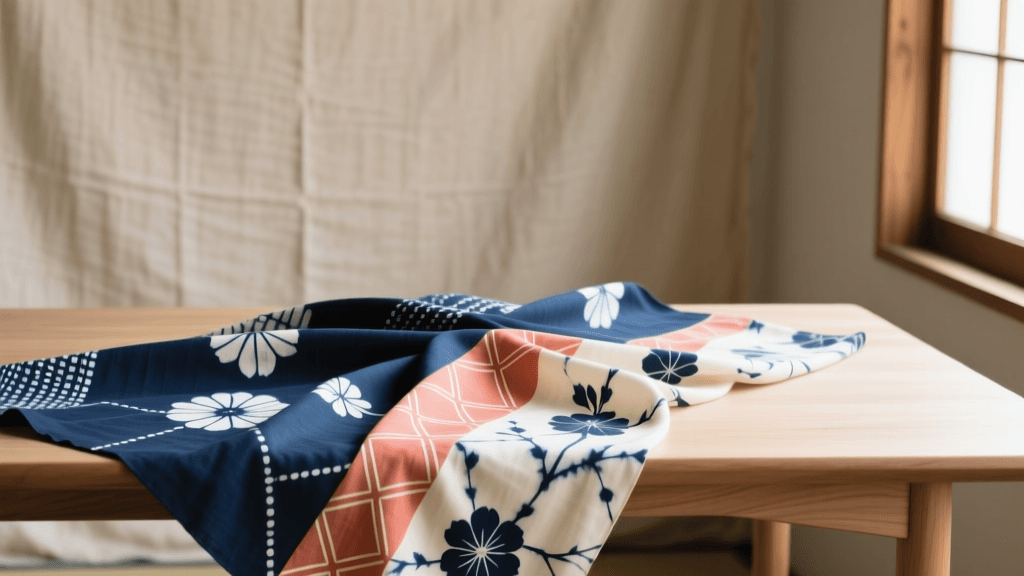
The Soul of the Silk: Understanding Japanese Resist Dyeing
Japanese textiles are not merely fabrics; they are intricate canvases of cultural history, philosophy, and regional artistry. For collectors, vintage enthusiasts, and practitioners of traditional Asian fashion, understanding the nuanced differences between dyeing techniques is essential. The triad of Shibori, Yuzen, and Kasuri represents the pinnacle of Japanese textile manipulation, each requiring decades of apprenticeship to master. According to the Metropolitan Museum of Art's Heilbrunn Timeline of Art History, the evolution of these dyeing methods during the Edo period (1615–1868) was driven by strict sumptuary laws, which forced artisans to innovate hidden luxuries and complex resist techniques to bypass restrictions on ostentatious dress.
This comprehensive guide will walk you through the technical hallmarks, regional variations, and actionable identification methods for Shibori, Yuzen, and Kasuri, alongside a strict preservation protocol for your collection.
Shibori: The Sculptural Art of Binding and Folding
Derived from the Japanese verb shiboru (to wring, squeeze, or press), Shibori is a shaped-resist dyeing technique that creates three-dimensional textures and organic patterns. Unlike flat surface design, Shibori alters the physical structure of the cloth. Artisans bind, stitch, fold, twist, or compress the fabric before submerging it in a dye vat, traditionally natural indigo (aizome).
Key Variations of Shibori
- Kanoko Shibori (Fawn Spot): Tiny, intricate circles resembling the spots on a fawn's back. This is the most labor-intensive method, requiring thousands of individual hand-tied knots for a single kimono.
- Arashi Shibori (Storm): Fabric is wrapped diagonally around a wooden or PVC pole, tightly bound with thread, and then compressed. The result is a dynamic, diagonal pattern reminiscent of driving rain.
- Itajime Shibori (Shape Resist): The fabric is folded and sandwiched between carved wooden blocks or acrylic shapes, clamped tightly, and dyed, yielding repeating geometric patterns.
Actionable Identification: Hand-Tied vs. Machine-Made
The modern market is flooded with machine-printed 'shibori-style' garments. To authenticate hand-tied Shibori, rely on tactile and visual inspection:
- The Tactile Test: Run your fingers across the pattern. Authentic Shibori has a distinct topography; the bound areas will feel puckered, raised, or textured. Machine prints are perfectly flat.
- The Reverse Side Check: Examine the inside of the garment. In true immersion-dyed Shibori, the dye penetrates the fibers deeply, though the tightly bound 'resist' spots will remain stark white on both sides. Printed fakes often show a stark contrast between a saturated front and a pale, unprinted back.
- Imperfection as Proof: Hand-tied Kanoko Shibori will feature slight irregularities in the size and spacing of the dots. Perfect uniformity indicates mechanical reproduction.
Yuzen: The Painterly Mastery of Rice Paste Resist
Yuzen is a highly sophisticated paste-resist dyeing technique that allows for the creation of elaborate, multi-colored, painterly designs on silk. Invented in the late 17th century by Miyazaki Yuzensai, a Kyoto fan painter, this technique revolutionized kimono design. As noted in the Metropolitan Museum of Art's essay on the Kimono, Yuzen allowed artisans to paint directly onto the fabric as if it were a canvas, bypassing the rigid geometric constraints of earlier weaving and tie-dye methods.
Regional Distinctions: Kyo-Yuzen vs. Kaga-Yuzen
When collecting Yuzen garments, identifying the regional style adds significant provenance and value:
- Kyo-Yuzen (Kyoto): Characterized by bold, stylized, and often auspicious motifs (cranes, pine trees, flowing water). It frequently incorporates surihaku (gold or silver leaf application) and shishu (silk embroidery) to create a lavish, opulent finish. The color palette is vast and vibrant.
- Kaga-Yuzen (Kanazawa): Rooted in the warrior class aesthetics of the Kaga domain, this style focuses on hyper-realistic botanical and nature motifs. It strictly utilizes the Kaga Gosai (five-color palette): indigo, ochre, grass green, ancient purple, and soft red. A hallmark of Kaga-Yuzen is mushikui (insect bites), where leaves are painted with realistic decay and blemishes to reflect the transient beauty of nature.
Actionable Identification: Spotting the Itome
The defining hallmark of authentic Yuzen is the itome (the fine white line). Artisans apply a waterproof rice paste (itome-nori) through brass stencils or freehand using a specialized conical paper tube. This paste acts as a dam, preventing adjacent dyes from bleeding into one another. When examining a vintage Yuzen kimono, use a jeweler's loupe to look for these crisp, un-dyed white outlines separating color fields. If the colors blend or the 'white lines' are merely printed white ink rather than the absence of dye, the piece is a modern reproduction.
Kasuri: The Blurred Geometry of Pre-Dyed Threads
While Shibori and Yuzen are resist techniques applied to woven cloth, Kasuri (the Japanese iteration of Ikat) is a resist technique applied to the threads before they are woven. Bundles of cotton or silk threads are tightly bound with straw or tape according to a precise mathematical grid, dyed (usually in indigo), and then untied. When these pre-dyed threads are placed on the loom and woven, the slight misalignment of the warp and weft creates a signature soft, blurred edge.
Kurume Kasuri: The Indigo Standard
The most famous regional variant is Kurume Kasuri, originating in Fukuoka Prefecture. Originally developed in the late 18th century, it became the standard fabric for everyday workwear, tanzen (padded sleeping robes), and martial arts uniforms due to the durability of cotton and the insect-repellent properties of natural indigo. Vintage Kurume Kasuri is highly sought after by collectors of boro (mended textiles) and folk art (mingei).
Actionable Identification: Evaluating the Blur
To authenticate hand-woven Kasuri, examine the intersections of the pattern. The term 'Kasuri' literally translates to 'to blur' or 'mist.' The edges of the geometric shapes should look slightly fuzzy or stepped, caused by the millimeter shifts in the hand-loomed weft threads. Furthermore, flip the fabric over; because the threads are dyed before weaving, the pattern will be nearly as vibrant on the reverse side as it is on the front.
Comparative Analysis: Shibori, Yuzen, and Kasuri
The following table provides a quick-reference matrix for collectors and curators to differentiate these techniques at a glance.
| Feature | Shibori | Yuzen | Kasuri |
|---|---|---|---|
| Resist Stage | Woven fabric | Woven fabric | Raw threads (pre-weaving) |
| Primary Resist Agent | Thread, wood, binding | Rice paste (itome-nori) | Straw, tape, or cord |
| Visual Hallmark | 3D puckering, organic bleeds | Crisp white outlines (itome), painterly | Soft, blurry geometric edges |
| Typical Base Fabric | Silk crepe (chirimen), Cotton | Silk (habutae, rinzu) | Cotton, Hemp, Ramie |
| Vintage Market Cost | $300 - $5,000+ (Kanoko) | $500 - $15,000+ (Uchikake) | $150 - $800 (Workwear/Jackets) |
The Collector’s Guide to Preservation and Care
Proper preservation of Japanese textiles requires strict environmental controls. The protein structure of silk (used in Yuzen and Shibori) and the cellulose in cotton (used in Kasuri) react differently to light, humidity, and pests.
Storage and Environment
- Acid-Free Enclosures: Never store silk kimonos in plastic bags, which trap moisture and emit off-gassing chemicals. Wrap garments in unbleached, acid-free tatou paper or clean, undyed cotton muslin.
- The Cedar Chest Myth: While traditional tansu (chests) are made of Paulownia or Cedar, the natural oils in cedar can cause severe yellowing and staining on silk. Always place a barrier of acid-free paper between the wood and the textile.
- Climate Control: Maintain a stable environment of 65°F (18°C) and 50-55% Relative Humidity (RH). Fluctuations in humidity cause silk fibers to expand and contract, leading to the shattering of vintage threads.
Handling and Cleaning
Never attempt to wash vintage Yuzen or Shibori silk at home. The water-soluble rice paste used in Yuzen sizing can reactivate, and the natural indigo in Shibori can bleed catastrophically. For spot cleaning, consult a specialist in Asian textile conservation. When handling antique Kasuri cotton, ensure your hands are free of lotions and oils, as the porous cotton fibers will absorb sebum, attracting pests and causing localized rot.
Conclusion
Mastering the identification of Shibori, Yuzen, and Kasuri transforms the way you interact with Asian traditional garments. Whether you are evaluating the puckered topography of a Kanoko Shibori haori, tracing the delicate white itome of a Kaga-Yuzen kimono, or admiring the misty indigo geometry of a Kurume Kasuri jacket, you are engaging with centuries of refined human ingenuity. By applying these authentication techniques and adhering to strict preservation standards, collectors and enthusiasts ensure that these masterpieces of Japanese dyeing arts survive for future generations to study and admire.