Best Japanese Online Magazines for Kimono Styling 2026
The Evolution of Japanese Fashion Journalism in 2026
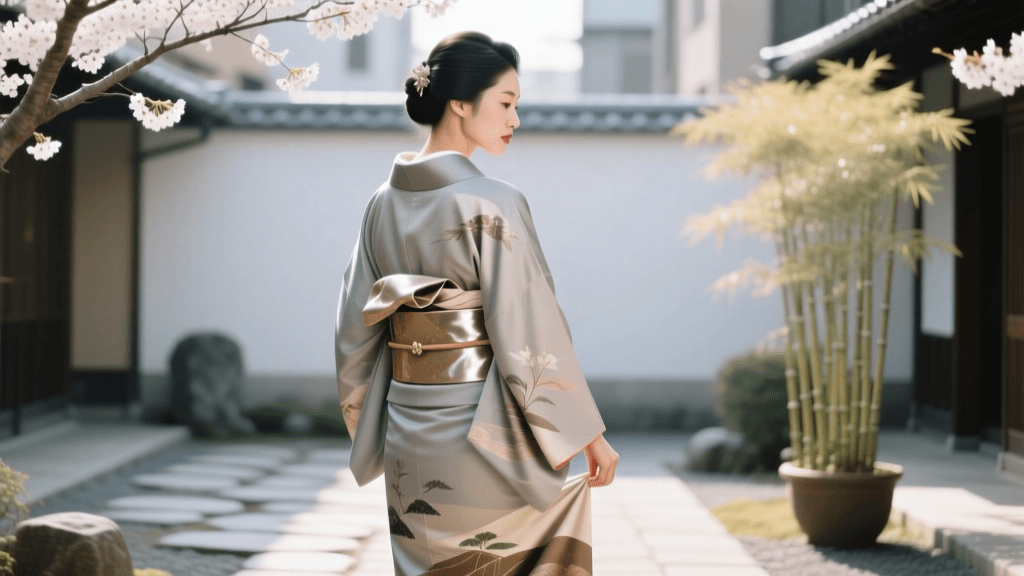
The landscape of Japanese fashion journalism has undergone a radical transformation by 2026. While print publications once dictated the seasonal rules of traditional garment styling, today’s most influential voices operate through dynamic digital magazines, interactive editorial blogs, and niche online portals. For enthusiasts of traditional Asian garments, this digital shift is a goldmine. Modern Japanese fashion blogs no longer just showcase static street style; they offer deep-dive textile histories, interactive coordination tools, and direct links to artisan markets. Whether you are decoding the complex layering rules of kasane no irome (traditional color combinations) or hunting for vintage Meiji-era haori, the 2026 digital editorial sphere is your ultimate guide.
According to the Victoria and Albert Museum's Asian textile archives, the global appreciation for the kimono has evolved from viewing it as a static historical artifact to recognizing it as a dynamic, evolving fashion garment. Japanese online magazines are at the forefront of this movement, blending Edo-period aesthetics with 2026 sustainability trends and modern streetwear silhouettes.
Top Digital Magazines & Blogs for Traditional Garments
1. Kimono Walker (Digital & Interactive Editions)
Originally a staple print magazine, Kimono Walker has fully embraced its 2026 digital ecosystem. Their online portal is the premier destination for seasonal coordination guides. In 2026, their editorial team focuses heavily on "Neo-Classic" styling—pairing antique Oshima tsumugi silk with modern, minimalist obi accessories. Their digital issues feature embedded video tutorials on tying complex knots, such as the fukura suzume (sparrow knot), and offer augmented reality (AR) features that allow readers to visualize how specific wagara (traditional patterns) will drape on different body types.
2. The Tokyo Wagara Collective (Independent Editorial)
Operating as a high-end independent web magazine, the Tokyo Wagara Collective focuses on the intersection of traditional textile craftsmanship and contemporary fashion journalism. Their 2026 editorial calendar highlights regional dyeing techniques, such as Kaga yuzen and Arimatsu shibori. Their long-form blog posts are essential reading for understanding the provenance of vintage garments. They frequently interview master dyers in Kyoto and Kanazawa, providing readers with the historical context needed to authenticate and appreciate high-end silk garments found in secondhand markets.
3. Kimono Modernist (Substack & Web Portal)
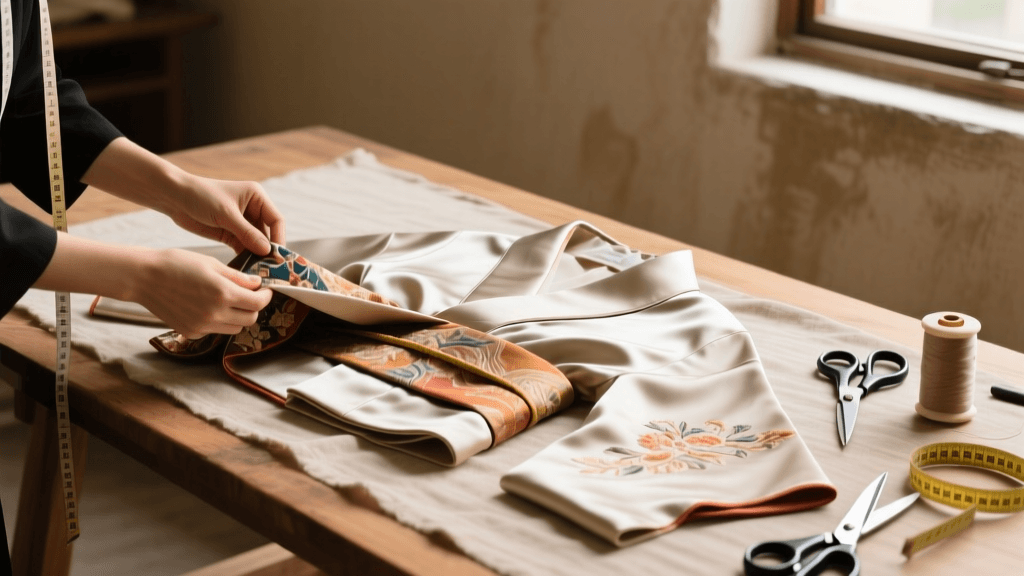
For the global reader, Kimono Modernist bridges the language gap. This bilingual digital magazine and newsletter specializes in translating the nuances of Japanese fashion journalism for an international audience. In 2026, their most popular series is "Upcycled Elegance," which teaches readers how to source damaged vintage kimono and repurpose them into modern haori jackets, obi belts, and even Western-style wrap skirts. Their actionable guides include precise measurements for tailoring, making it a favorite among DIY fashion enthusiasts.
2026 Trend Report: Decoding the Digital Editorials
What are the top Japanese fashion blogs advocating for this year? The 2026 consensus leans heavily into relaxed silhouettes, sustainable sourcing, and the breaking of rigid historical rules. The Kyoto Costume Institute Digital Archives provides excellent historical baselines, but modern bloggers are actively encouraging readers to bend these rules for contemporary wearability.
| Styling Element | Traditional Rule (Pre-2020) | 2026 Digital Magazine Hack |
|---|---|---|
| Obi Selection | Formal fukuro obi (31cm width) for all silk kimono. | Pairing casual 16.5cm hanhaba obi with vintage silk komon for a relaxed, street-style look. |
| Footwear | Strictly zori with white tabi socks for formal wear. | Styling lace-up leather boots or modern platform geta with bare ankles or colored tabi in winter. |
| Collar (Eri) | Strictly tight to the neck, showing exactly two fingers of space at the nape. | d>"Deep V" nape styling (nuke-eri) popularized by digital influencers for a more dramatic, modern silhouette. |
| Outerwear | Michiyuki (coat) or haori strictly matched by formality. | Layering oversized, upcycled men's vintage haori over women's yukata for gender-neutral styling. |
Actionable Sourcing: Buying the 2026 Editorial Looks
Japanese fashion blogs in 2026 are highly shoppable, often linking directly to curated online vintage markets and artisan cooperatives. If you want to replicate the looks featured in this year's digital editorials, here is a practical sourcing guide with current market pricing and measurements:
- The 2026 "Neo-Vintage" Hanhaba Obi: Featured heavily on Kimono Modernist, the 16.5 cm wide by 360 cm long hanhaba obi is the ultimate versatile accessory. Look for reversible silk-blend weaves. Target Price: ¥4,500 – ¥8,000 ($30 - $55 USD) on platforms like Rakuten or specialized Kyoto vintage exporters.
- Men’s Meiji-Era Haori (Upcycled): The Tokyo Wagara Collective recommends sourcing men’s black silk haori with subtle hidden linings (hiyoku). These are being repurposed as chic evening jackets. Measurements to look for: Back width (yuki) of at least 65cm to ensure an oversized, modern drape. Target Price: ¥12,000 – ¥25,000 ($80 - $170 USD).
- Modern Washable Yukata (Seersucker Cotton): For summer 2026, blogs are pushing high-texture seersucker cotton yukata that mimic the look of silk ro (gauze) but can be machine washed. Target Price: ¥9,000 – ¥14,000 ($60 - $95 USD) from direct-to-consumer artisan brands in Kurume.
Navigating Japanese Fashion Blogs: A 2026 Glossary
While AI translation tools in 2026 are remarkably accurate, understanding the specific kanji used in Japanese fashion journalism will vastly improve your ability to search digital archives and secondhand marketplaces. Bookmark this glossary when reading Japanese editorial blogs:
- 紬 (Tsumugi): Pongee silk. A textured, matte silk highly prized in 2026 for its understated, rustic elegance. Frequently featured in autumn editorial spreads.
- 友禅 (Yuzen): A highly detailed, hand-painted dyeing technique. Blogs will often distinguish between Kyo-yuzen (Kyoto, vibrant and elaborate) and Kaga-yuzen (Kanazawa, realistic and nature-focused).
- 帯揚げ (Obiage): The silk sash that wraps around the top of the obi. In 2026, digital stylists are using contrasting, neon-dyed obiage to add a pop of modern color to antique garments.
- 帯締め (Obijime): The braided cord that secures the obi. Look for editorials featuring "marugumi" (round braided) cords with modern metallic threads.
- アンティーク (Antique): Used on Japanese e-commerce sites and blogs to denote garments from the Taisho to early Showa eras (1912–1950s). These are highly sought after for their bold, geometric "Taisho Roman" patterns.
Mastering the Digital Archive
The true value of Japanese online fashion magazines in 2026 lies in their commitment to education alongside aesthetics. They do not merely tell you what to wear; they connect the garment to its cultural lineage. By following these digital publications, utilizing their interactive sizing guides, and leveraging their direct links to artisan markets, you can build a traditional wardrobe that respects history while firmly existing in the modern era. Whether you are tying your first bunko musubi (bow knot) or curating a museum-quality collection of Edo-period textiles, the 2026 digital journalism landscape is your most vital companion.